ASUS, the Taiwanese technology giant, is dramatically altering its business strategy, pivoting heavily towards Artificial Intelligence (AI) and ceasing development of new smartphones, according to Chairman Jonney Shih. This significant move signals a broader industry trend as companies reassess their priorities in the rapidly evolving tech landscape.
In a recent interview, Shih confirmed reports that ASUS will no longer release new models in the highly competitive smartphone market. While the company won’t abandon existing smartphone lines entirely – continuing software support and potentially limited updates – the focus will shift decisively to integrating AI technologies across its diverse product portfolio.
This isn’t a complete exit from the mobile space, but rather a strategic repositioning. ASUS will continue to leverage its existing smartphone technologies and expertise in other areas, such as components and related services. However, the substantial investment and resources previously dedicated to smartphone innovation will now be channeled into AI-driven projects.
AI as the Core of Future Innovation
Shih emphasized that AI represents the next major computing platform, surpassing even the impact of the PC and mobile revolutions. He believes ASUS is uniquely positioned to capitalize on this shift, given its existing strengths in hardware design, manufacturing, and system integration. The company intends to develop AI solutions for a wide range of applications, including personal computing, industrial automation, and smart healthcare.
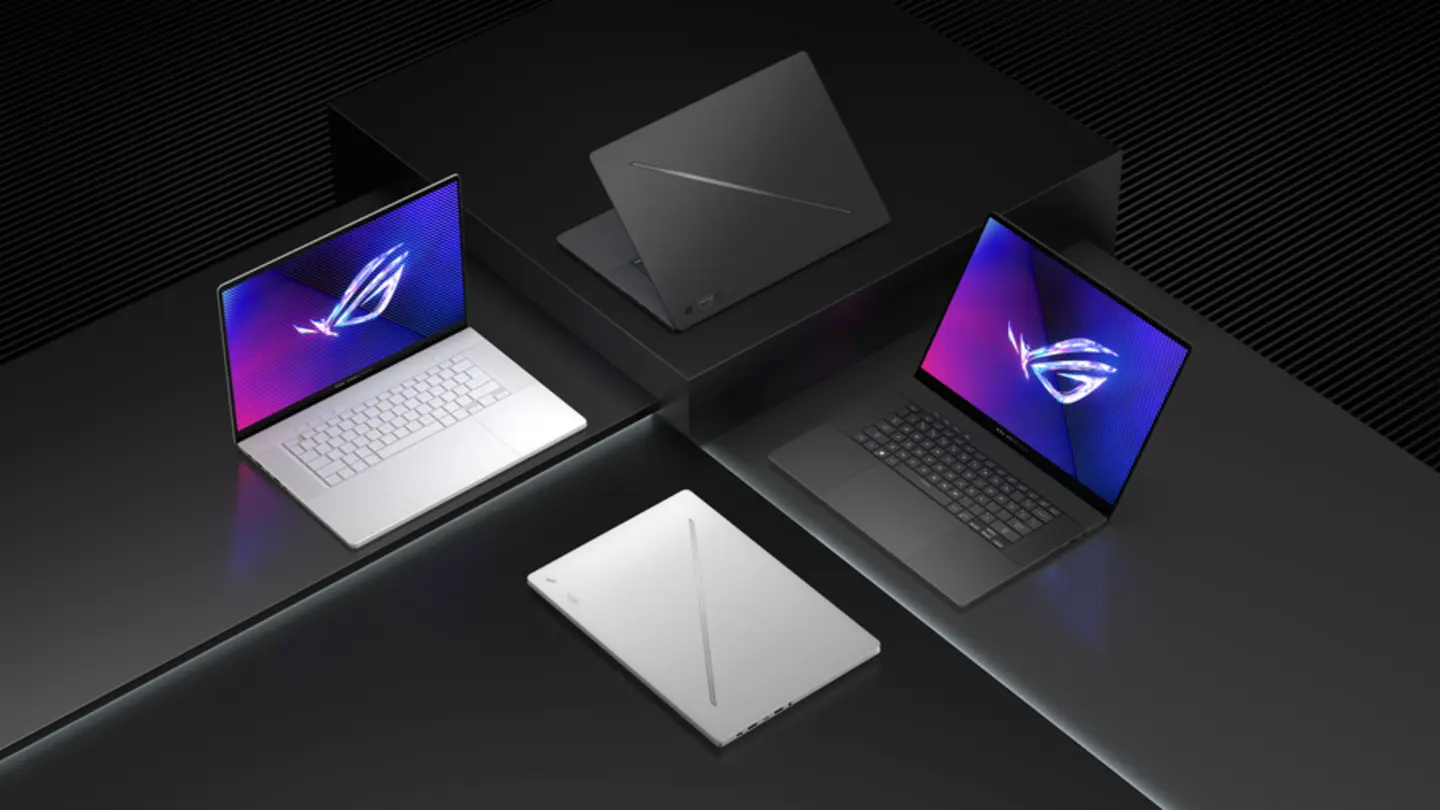
ASUS has already begun showcasing its AI capabilities with the launch of the ROG Zephyrus G14 laptop, featuring dedicated AI processing capabilities. This is just a glimpse of what’s to come, as the company plans to embed AI functionality into all its major product lines. The company is actively exploring opportunities in generative AI, machine learning, and other cutting-edge AI fields.
The decision to scale back on smartphones comes after years of struggling to gain significant market share against dominant players like Samsung and Apple. Despite producing innovative and well-regarded devices, ASUS found it increasingly difficult to compete on price and marketing reach. The smartphone market is also facing saturation and slowing growth, making it a less attractive investment for companies seeking high-return opportunities.
Analysts suggest that ASUS’s move is a pragmatic one, allowing it to concentrate its resources on areas where it can achieve a competitive advantage. The AI market is still relatively nascent, offering substantial growth potential and opportunities for differentiation. By focusing on AI, ASUS hopes to establish itself as a leader in this emerging field and drive future revenue growth.
The company’s commitment to AI extends beyond product development. ASUS is also investing in AI research and talent acquisition, aiming to build a strong internal AI expertise. This long-term strategy reflects a belief that AI will be a defining technology for decades to come, and that ASUS must be at the forefront of this revolution to remain competitive.
Ultimately, ASUS’s decision to go “all in” on AI represents a bold bet on the future of computing. It’s a move that could pay off handsomely if the company successfully navigates the challenges and opportunities presented by this transformative technology.
Image Source: Google | Image Credit: Respective Owner