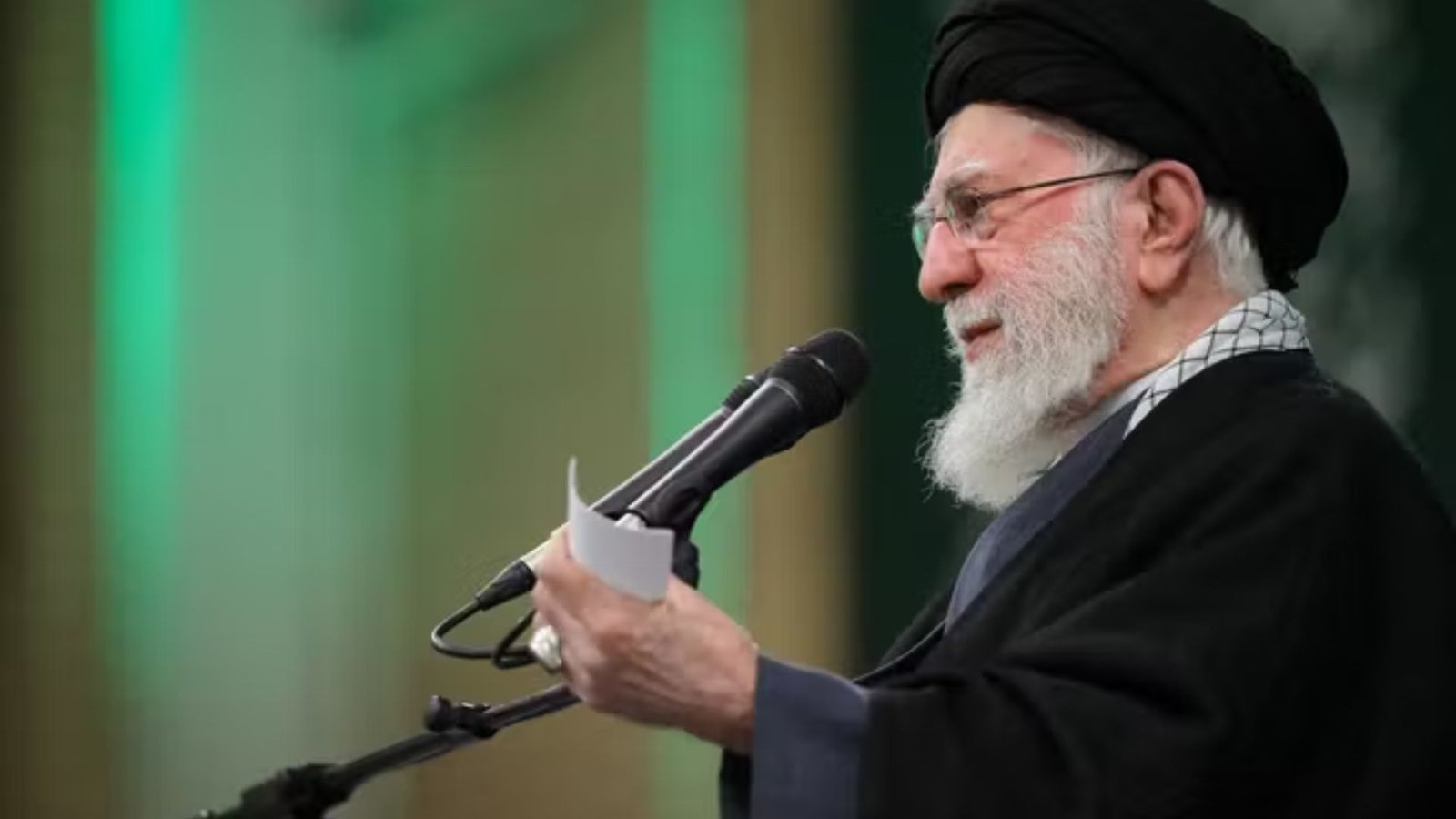
For the first time, Iran’s Supreme Leader Ayatollah Ali Khamenei has acknowledged that people were killed in the nationwide protests that erupted in September 2022, admitting that “thousands” may have perished. This startling revelation, delivered during a speech in Tehran, marks a significant shift in the Iranian government’s narrative surrounding the unrest, which initially downplayed the scale of the violence and attributed the deaths to “rioters” and foreign enemies.
The protests were initially triggered by the death of Mahsa Amini, a 22-year-old Kurdish-Iranian woman who died in the custody of Iran’s morality police after being accused of violating the country’s strict dress code. However, the demonstrations quickly broadened into a widespread expression of anger over economic hardship, social restrictions, and the political establishment. They posed one of the most serious challenges to the Islamic Republic in decades.
Government Response and Previous Claims
Iranian authorities responded to the protests with a brutal crackdown, employing tear gas, live ammunition, and mass arrests. While security forces initially claimed a limited number of deaths, independent organizations and human rights groups have consistently reported far higher figures. Estimates from these groups range into the hundreds, with some suggesting over 500 fatalities. Khamenei’s admission, while acknowledging a large number, still falls short of the figures provided by these external sources.
Previously, the government had largely blamed “foreign agents” and “terrorists” for instigating the violence, attempting to deflect responsibility for the deaths. State media also frequently portrayed the protesters as “rioters” seeking to destabilize the country. Khamenei’s statement, however, doesn’t offer an apology or assign blame, instead framing the deaths as a consequence of the unrest itself.
He further stated that many of those killed were loyal supporters of the Islamic Republic, suggesting they were victims of the protests rather than participants. This claim is likely intended to further justify the government’s harsh response and to portray the protesters as indiscriminate and dangerous. The Supreme Leader also accused the United States and Israel of being involved in the protests, reiterating a common refrain used by Iranian officials.
The acknowledgement comes as Iran faces continued international pressure over its human rights record and its nuclear program. The protests also highlighted deep divisions within Iranian society. While the immediate intensity of the protests has subsided, underlying grievances remain, and the potential for renewed unrest persists. Khamenei’s speech is being closely analyzed by observers for any indication of potential policy changes or a softening of the government’s stance towards dissent. The lack of detail regarding the circumstances of the deaths and the continued blaming of external actors suggest that a significant shift in approach is unlikely.
The full extent of the casualties and the details surrounding the deaths remain shrouded in secrecy, making independent verification extremely difficult. Human rights organizations continue to call for a transparent and impartial investigation into the events of the protests and for accountability for those responsible for the violence.
Image Source: Google | Image Credit: Respective Owner