Individuals with a history of lung disease, even if it doesn’t include a prior cancer diagnosis, face a substantially elevated risk of developing lung cancer, according to research presented at the European Lung Cancer Congress (ELCC). The study, analyzing data from over 1.8 million individuals, highlights the importance of increased surveillance and preventative measures for this vulnerable population.
Researchers found a strong correlation between various pre-existing lung conditions – including chronic obstructive pulmonary disease (COPD), asthma, pneumonia, and pulmonary fibrosis – and a heightened likelihood of lung cancer. The risk was particularly pronounced in those with COPD, a progressive lung disease that makes it difficult to breathe. The study controlled for factors like smoking history, age, and sex, strengthening the conclusion that the lung disease itself contributes to the increased risk.
The findings emphasize that lung cancer risk isn’t solely determined by smoking. While smoking remains the leading cause, a significant portion of lung cancer cases occur in individuals who have never smoked, and this research suggests that prior lung illness is a crucial independent risk factor. This is particularly relevant as global rates of COPD and other respiratory diseases are rising, driven by factors like air pollution and aging populations.
Study Details and Methodology
The retrospective cohort study utilized data from the UK Biobank, a large-scale biomedical database containing genetic and health information from a diverse group of participants. Researchers identified individuals with a history of lung disease based on self-reported diagnoses and medical records. They then tracked the incidence of lung cancer within this cohort over a period of several years, comparing it to a control group without a history of lung disease.
Statistical analysis revealed that individuals with any form of recorded lung disease had a 70-80% higher risk of developing lung cancer compared to those without. The specific type of lung disease also influenced the risk level, with more severe and chronic conditions demonstrating a stronger association. Importantly, the increased risk persisted even after accounting for smoking status, indicating a biological link between lung disease and cancer development.
Experts suggest that chronic inflammation and tissue damage caused by lung diseases may create an environment conducive to cancer cell growth. Repeated cycles of injury and repair can lead to genetic mutations that ultimately trigger malignant transformation. Furthermore, individuals with pre-existing lung conditions may have impaired immune systems, making them less able to fight off developing cancer cells.
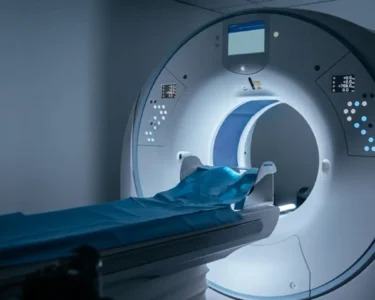
The study authors advocate for revised lung cancer screening guidelines to include individuals with a history of lung disease, even in the absence of a significant smoking history. Early detection through low-dose CT scans can dramatically improve treatment outcomes and survival rates. They also stress the importance of proactive management of lung diseases to minimize inflammation and promote lung health. Further research is needed to fully understand the underlying mechanisms driving this increased risk and to develop targeted prevention strategies.
This research provides valuable insight for clinicians and public health officials, urging a more comprehensive approach to lung cancer risk assessment and prevention. It underscores the need to consider the entire medical history of patients, not just smoking habits, when evaluating their susceptibility to this devastating disease.
Image Source: Google | Image Credit: Respective Owner