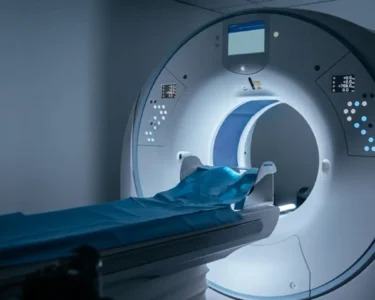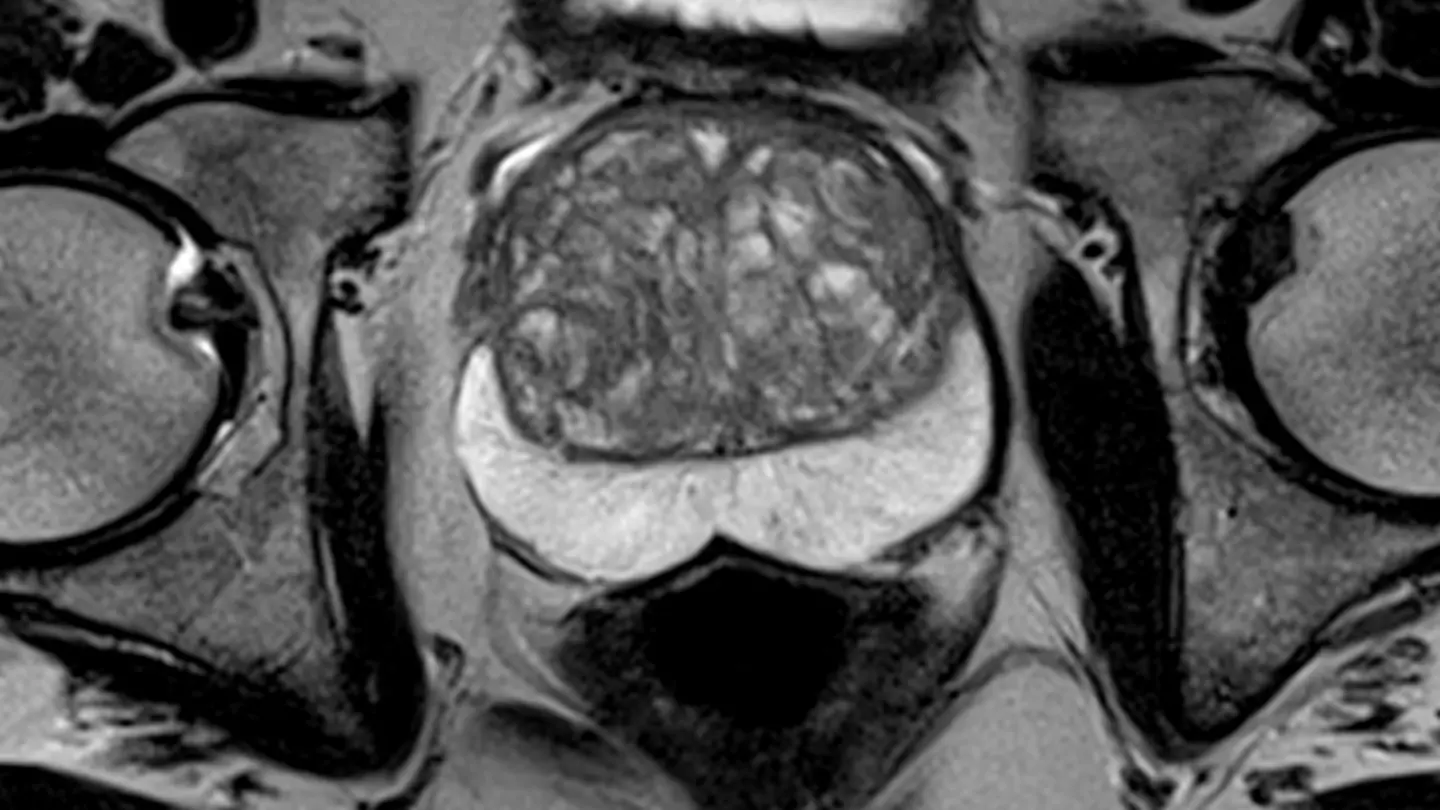
New research published in the European Medical Journal suggests that utilizing Prostate-Specific Antigen (PSA) derivatives can significantly reduce the number of unnecessary magnetic resonance imaging (MRI) scans performed for prostate cancer detection. The study highlights a potential pathway to decrease patient anxiety, lower healthcare costs, and optimize resource allocation within urology departments.
Currently, many men undergo MRI scans due to elevated PSA levels, a common screening tool for prostate cancer. However, a substantial proportion of these scans ultimately prove to be negative for clinically significant cancer, leading to overdiagnosis and overtreatment. This new approach focuses on refining the interpretation of PSA results by incorporating derivative measurements, such as PSA density and PSA velocity, to better assess a patient’s individual risk.
Improving Risk Stratification
The core of the research lies in improved risk stratification. Traditional PSA testing provides a single numerical value, which can be influenced by various benign conditions like prostate enlargement. PSA derivatives, on the other hand, account for prostate size and changes in PSA levels over time, offering a more nuanced picture of a man’s likelihood of harboring aggressive prostate cancer.
Researchers analyzed data from a large cohort of patients who underwent both PSA testing and MRI scans. They found that incorporating PSA derivatives into the decision-making process allowed them to identify a significant number of men who could safely avoid an MRI without missing potentially life-threatening cancers. The study demonstrated a notable reduction in the rate of unnecessary MRI scans, while maintaining a high level of cancer detection.
“The goal isn’t to eliminate MRI scans altogether,” explains Dr. Albi, a lead author of the study. “MRI remains a crucial tool for diagnosing prostate cancer. However, by using PSA derivatives more effectively, we can ensure that scans are reserved for those who truly need them, minimizing the burden on patients and the healthcare system.”
The implementation of this strategy requires training for clinicians to accurately interpret and utilize PSA derivative data. Furthermore, clear communication with patients is essential to explain the rationale behind the testing approach and manage expectations. The study authors emphasize the importance of shared decision-making, where patients are actively involved in the process of determining the most appropriate course of action.
The findings have implications for healthcare guidelines and protocols related to prostate cancer screening. Adopting a more refined approach to PSA testing could lead to a more targeted and efficient use of MRI resources, ultimately improving the quality of care for men at risk of prostate cancer. Further research is planned to validate these findings in diverse populations and to explore the potential of incorporating other biomarkers into the risk assessment model. The researchers hope this will lead to even more precise and personalized prostate cancer screening strategies in the future.
This research offers a promising step towards reducing the harms associated with overdiagnosis and overtreatment in prostate cancer, while still ensuring timely detection of aggressive disease. The focus on individualized risk assessment represents a shift towards more patient-centered care in urology.
Image Source: Google | Image Credit: Respective Owner