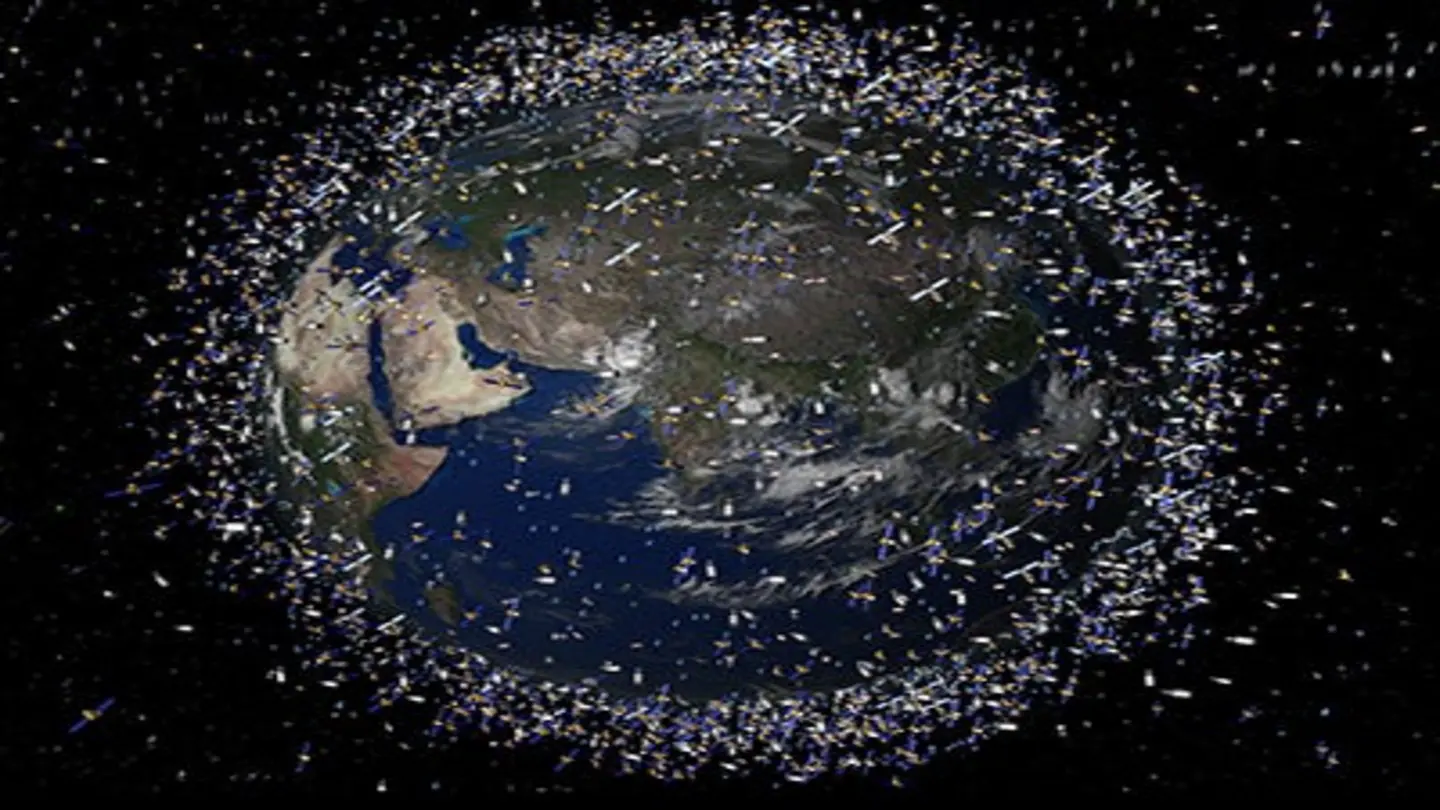
The increasing accumulation of defunct satellites and debris in Earth’s orbit poses a significant and growing threat to operational spacecraft and the future of space exploration. Currently, over 30,000 large pieces of debris are being tracked, with estimates suggesting millions of smaller, untraceable fragments also circle the planet at incredibly high speeds. This “space junk” presents a collision risk, potentially triggering a cascade effect known as the Kessler Syndrome, rendering certain orbits unusable.
A recent report highlights the urgency of addressing this issue, with a global plan emerging to actively remove debris from orbit by 2030. The problem isn’t simply the defunct satellites themselves, but the fragmentation they cause upon impact. Even a small piece of debris can inflict catastrophic damage to functioning satellites, which are crucial for communication, navigation, weather forecasting, and national security.
The Scale of the Problem
Thousands of satellites have been launched since the beginning of the Space Age, and a substantial portion have reached the end of their operational lives. Many were not designed for controlled re-entry, meaning they remain in orbit for decades, even centuries. The launch of large constellations of satellites for broadband internet, like SpaceX’s Starlink and OneWeb, is exacerbating the problem, increasing the potential for collisions and creating even more debris.
Several nations and private companies are now developing technologies to tackle the orbital debris challenge. These include robotic arms to capture and deorbit debris, nets to ensnare objects, harpoons to latch onto targets, and even lasers to vaporize smaller fragments. However, the technical and logistical hurdles are considerable. Identifying, approaching, and safely removing debris requires precise tracking, advanced robotics, and international cooperation.
One of the key challenges is the legal framework surrounding space debris removal. Determining ownership of defunct satellites and establishing clear rules of engagement for debris removal operations are crucial to avoid escalating tensions and potential conflicts in space. The 1967 Outer Space Treaty provides a foundational legal framework, but it lacks specific provisions for active debris removal.
Furthermore, the cost of debris removal is substantial. Developing and deploying the necessary technologies requires significant investment, and the long-term sustainability of debris removal efforts will depend on establishing viable economic models. Some proposals involve charging satellite operators a fee for debris mitigation and removal services.
The plan to clean up Earth’s orbit by 2030 is ambitious, but it is increasingly recognized as essential for preserving access to space. Without concerted action, the risk of collisions will continue to grow, potentially jeopardizing critical space infrastructure and hindering future space activities. International collaboration, technological innovation, and a robust legal framework are all vital components of a successful debris removal strategy. The future of space depends on addressing this growing environmental hazard.
Image Source: Google | Image Credit: Respective Owner