The increasing density of objects in Earth’s orbit presents a growing threat to operational satellites and future space endeavors. This threat, known as Kessler Syndrome – or the Kessler Effect – describes a scenario where collisions between space debris create more debris, initiating a cascading effect that renders certain orbital regions unusable. A recent article from Engineering.com details potential solutions, focusing on the development of ‘space armor’ to mitigate the risk.
Kessler Syndrome, first proposed by NASA scientist Donald Kessler in 1978, isn’t a sudden event but a gradual escalation. Each collision generates fragments, increasing the probability of further impacts. Currently, there are over 30,000 objects larger than 10cm being tracked in orbit, and millions of smaller, untrackable pieces. Even a small piece of debris traveling at orbital velocities (thousands of miles per hour) can inflict catastrophic damage to a satellite.
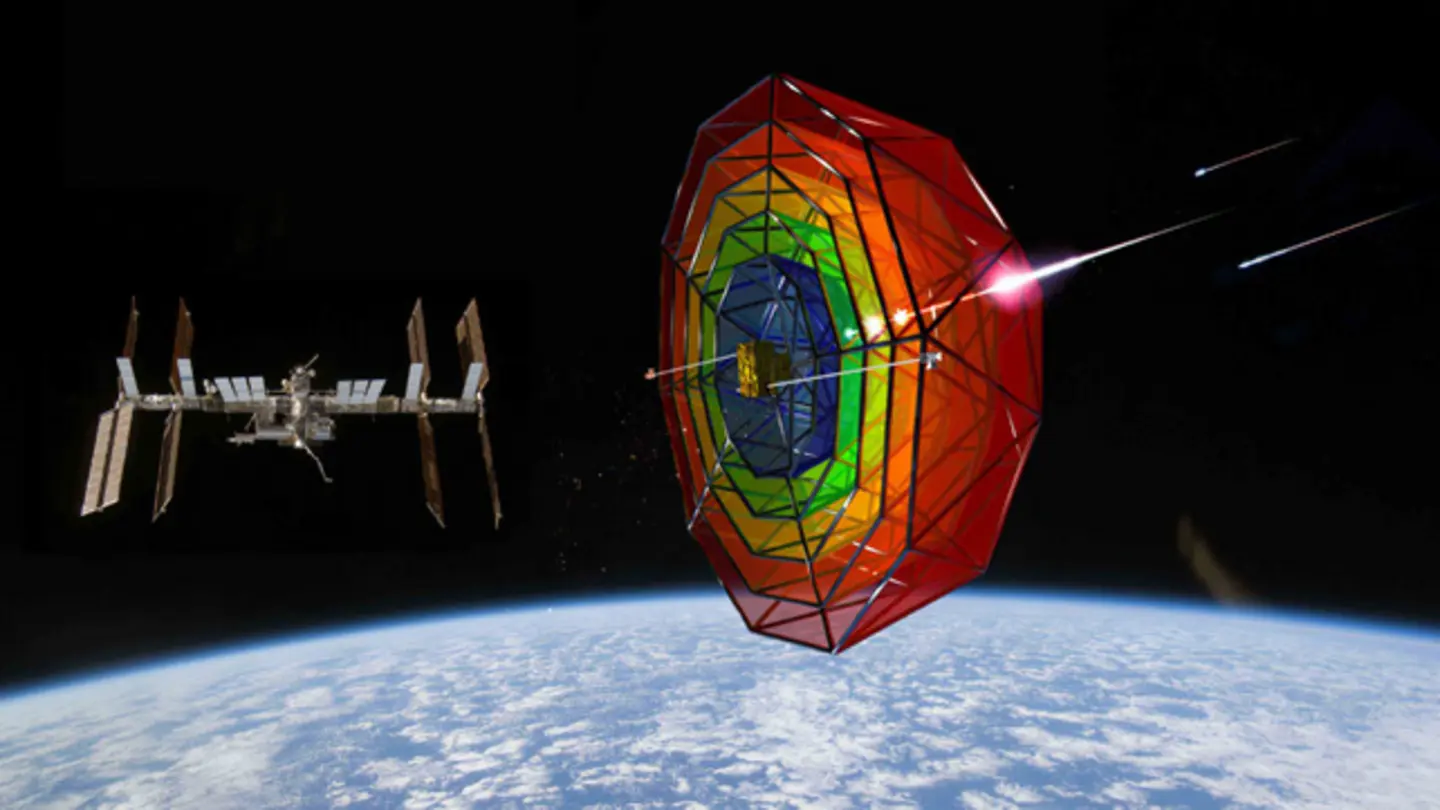
The article highlights several approaches to protecting satellites. One key strategy is shielding. Traditional shielding methods involve adding layers of material to absorb impact energy. However, this adds significant weight, increasing launch costs. Researchers are exploring Whipple shields – a double-layered approach where an outer layer breaks up the debris, and an inner layer absorbs the remaining energy. More advanced concepts include using fluid layers or foams to dissipate impact forces.
Novel Materials and Designs
Beyond traditional shielding, the article discusses the potential of novel materials. Self-healing polymers are being investigated, capable of repairing minor damage from micrometeoroids and small debris. Another promising area is the development of actively controlled armor. This involves sensors that detect incoming debris and actuators that adjust the shield’s configuration to maximize protection. These systems are complex but offer a significant advantage over passive shielding.
The article also touches upon the importance of debris removal. While not directly related to space armor, actively removing existing debris is crucial to preventing Kessler Syndrome from becoming a reality. Various technologies are being developed for this purpose, including nets, harpoons, and laser ablation. However, these technologies face significant technical and political challenges.
The economic implications of Kessler Syndrome are substantial. Satellites are vital for communication, navigation, weather forecasting, and scientific research. A widespread disruption of satellite services would have far-reaching consequences. Investing in space armor and debris removal technologies is therefore not just a matter of scientific curiosity but a strategic imperative.
Ultimately, a multi-faceted approach is needed to address the threat of Kessler Syndrome. This includes improved tracking of space debris, international cooperation to reduce debris generation, the development of robust shielding technologies like space armor, and active debris removal efforts. The future of space exploration and utilization depends on our ability to manage this growing challenge effectively.
Image Source: Google | Image Credit: Respective Owner