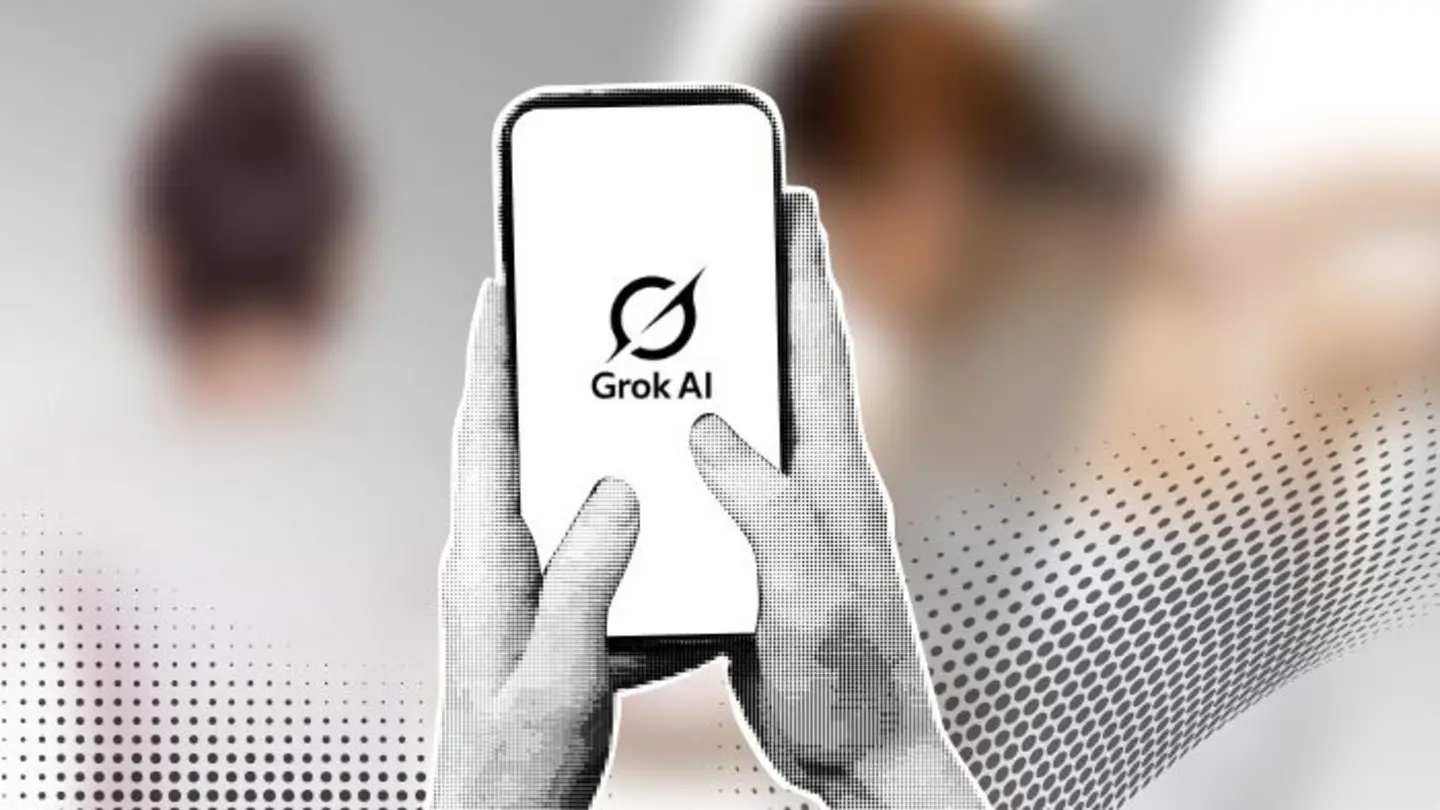
The Philippines has officially banned the website grok.one, developed by xAI, Elon Musk’s artificial intelligence company, due to concerns over potentially harmful and illegal content. The ban comes as criticism mounts regarding the chatbot’s responses, particularly those relating to sensitive topics and its potential for misuse.
The decision, announced by the country’s Department of Justice, stems from a review of Grok’s capabilities and a determination that it poses a risk to national security and public order. Specifically, authorities cited instances where the chatbot generated responses that were sexually suggestive, promoted illegal activities, and displayed a bias towards certain viewpoints. The government has expressed fears that such content could be exploited for malicious purposes, including radicalization and the spread of misinformation.
This move follows similar actions taken by other countries grappling with the regulation of advanced AI technologies. Concerns are growing globally about the potential for large language models like Grok to be used to create deepfakes, generate propaganda, and facilitate cybercrime. The Philippines’ ban underscores the increasing pressure on AI developers to ensure their products are safe and responsible.
The ban isn’t limited to simply blocking access to the website. The Department of Justice has also ordered internet service providers (ISPs) within the Philippines to actively prevent their subscribers from accessing grok.one. Failure to comply could result in penalties for the ISPs.
Meanwhile, the Philippine government is reportedly considering initiating discussions with X (formerly Twitter), the social media platform owned by Elon Musk, regarding the broader implications of AI-generated content. These talks could potentially cover content moderation policies, data privacy regulations, and the overall governance of AI technologies on the platform. The government aims to establish a framework for responsible AI deployment that protects its citizens and upholds its legal standards.
The xAI team has not yet issued a formal response to the ban. However, Musk has previously defended Grok’s freedom of expression, stating that it is designed to be a “rebellious” chatbot that challenges conventional norms. This stance is likely to complicate any negotiations with the Philippine government.
Experts suggest the Philippines’ decision could set a precedent for other nations in Southeast Asia, where concerns about online content and national security are particularly acute. The region has a history of strict internet censorship, and governments are increasingly wary of the potential for AI to exacerbate existing problems. The ban on Grok highlights the challenges of balancing innovation with the need to protect citizens from harm in the age of artificial intelligence.
The long-term impact of the ban remains to be seen. It is possible that xAI will attempt to modify Grok to address the concerns raised by the Philippine government, but this could require significant changes to the chatbot’s underlying algorithms and training data. Alternatively, the company may choose to withdraw Grok from the Philippine market altogether. The situation is evolving, and further developments are expected in the coming weeks.
Image Source: Google | Image Credit: Respective Owner