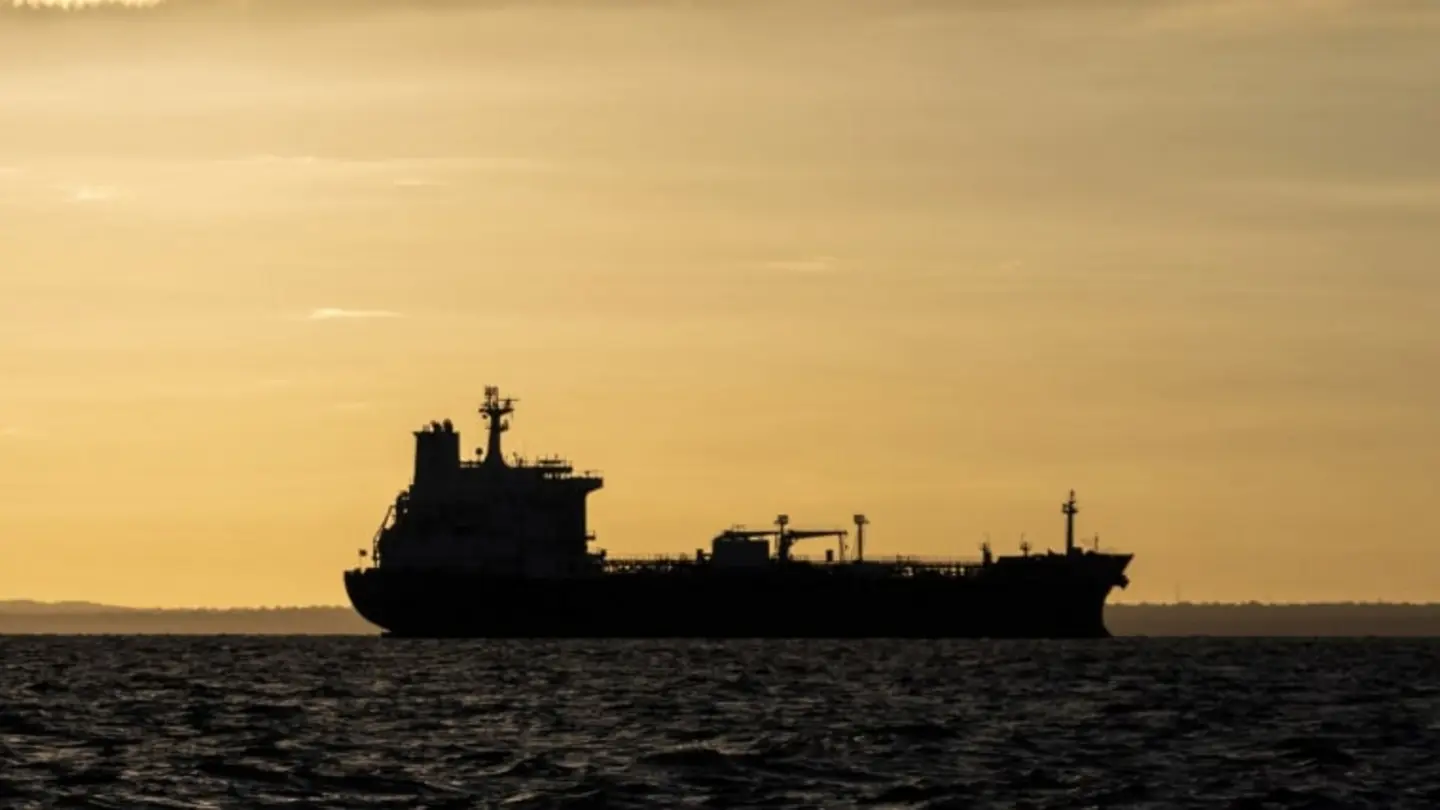
The United States has seized another oil tanker in the Caribbean Sea, marking the fourth such operation since Venezuelan President Nicolás Maduro’s capture. The latest seizure, details of which are emerging, underscores the Biden administration’s continued efforts to disrupt Venezuela’s attempts to circumvent US sanctions on its oil exports.
While specific details regarding the vessel and its cargo remain limited, officials confirm the operation took place in Caribbean waters. The tanker is believed to have been carrying oil destined for illicit markets, potentially funding the Maduro regime. The US government has been increasingly assertive in targeting Venezuela’s oil industry, a critical source of revenue for Maduro’s government, in an attempt to pressure him to negotiate a return to democratic governance.
Previous seizures have involved vessels like the ‘Bella’, ‘Luna’, and ‘Freedom’, all allegedly involved in shipping Venezuelan oil to buyers in Asia. These operations are conducted under the framework of US sanctions designed to restrict Venezuela’s access to the international financial system and limit its ability to generate revenue from oil sales. The US argues that these sanctions are necessary to hold Maduro accountable for human rights abuses, corruption, and undermining democratic institutions.
Escalating Tensions
The escalating seizures are likely to further strain already tense relations between Washington and Caracas. The Venezuelan government has consistently condemned the seizures as illegal and a violation of its sovereignty. Maduro’s administration maintains that it has the right to export its oil resources and accuses the US of engaging in economic warfare.
The US maintains that the seizures are lawful enforcement actions taken to comply with sanctions regulations. Legal justifications often center around the alleged involvement of the vessels in illicit activities and their connection to sanctioned entities. The US Treasury Department’s Office of Foreign Assets Control (OFAC) plays a key role in identifying and designating individuals and entities involved in sanctions evasion.
The impact of these seizures on global oil markets is currently limited, as Venezuela’s oil production remains significantly below its peak levels. However, analysts warn that continued disruptions to Venezuelan oil exports could contribute to price volatility, particularly if broader geopolitical tensions escalate. The Biden administration faces a delicate balancing act between maintaining pressure on Maduro and avoiding unintended consequences for global energy markets.
The ongoing operations highlight the complexities of enforcing sanctions and the challenges of disrupting illicit financial flows. The US government is likely to continue its efforts to target Venezuela’s oil industry, but the effectiveness of these measures remains a subject of debate. The future of US-Venezuela relations hinges on Maduro’s willingness to engage in meaningful negotiations and address the concerns that led to the imposition of sanctions in the first place.
Further investigations are underway to determine the full extent of the network involved in facilitating these illicit oil shipments and to identify any additional vessels or entities that may be in violation of US sanctions.
Image Source: Google | Image Credit: Respective Owner