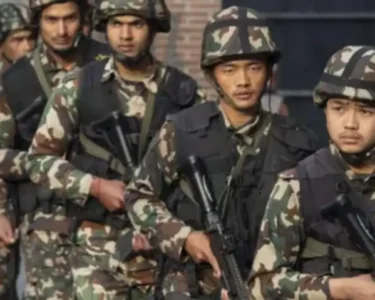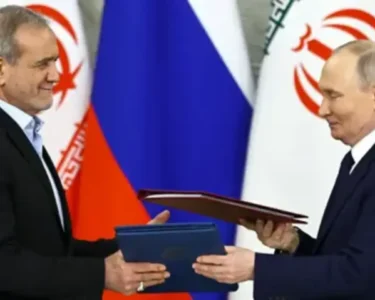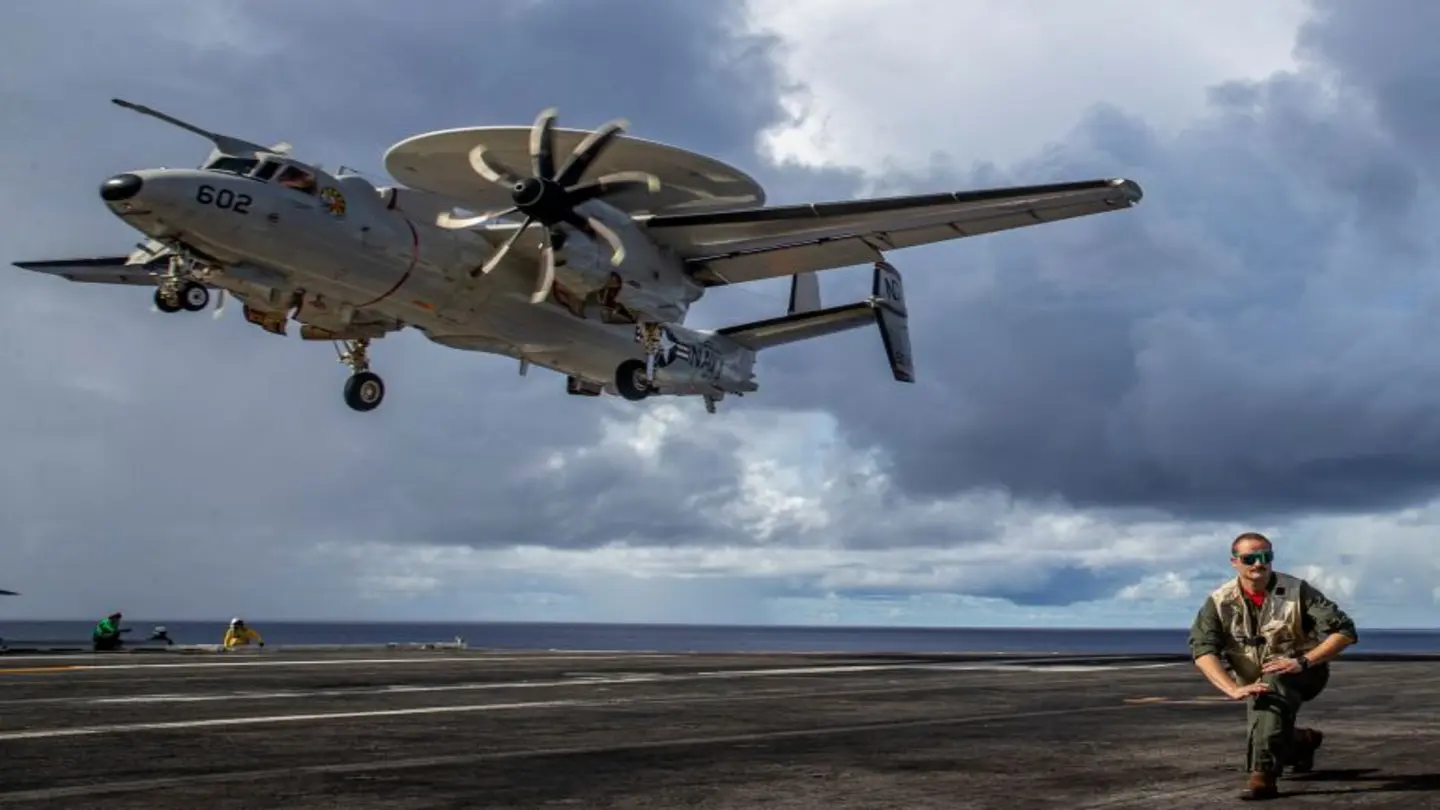
Recent developments indicate escalating tensions surrounding Iran, with a flurry of activity reported across the region in the past 24 hours. These events range from alleged attacks and counter-attacks to continued diplomatic efforts aimed at de-escalation, primarily focused on the ongoing conflict between Israel and Hamas.
Reports surfaced of an alleged drone attack targeting a US oil tanker in the Gulf of Aden. While initial claims pointed towards Houthi involvement, the United States has directly blamed Iran, stating the drone was launched from Iranian territory. This accusation further strains the already fragile relationship between Washington and Tehran and raises concerns about the widening of the conflict. The tanker, identified as the Chem Polaris, sustained limited damage, and no injuries were reported.
Simultaneously, Israel has reportedly increased its preparedness for potential Iranian retaliation. This follows a recent Israeli strike on the Iranian consulate in Damascus, which resulted in the deaths of several Iranian officials, including senior commanders of the Islamic Revolutionary Guard Corps. Iranian officials have vowed to avenge the attack, leading to heightened alert levels within Israel and increased security measures.
Diplomatic Maneuvers
Amidst the military posturing, diplomatic efforts are underway to prevent a full-scale regional war. Qatar is playing a key role in mediating between the United States and Iran, with ongoing discussions focused on securing the release of Iranian assets frozen in South Korea and easing sanctions. These talks are considered crucial in potentially deterring further escalation from Tehran.
Furthermore, the United Nations has urged restraint from all parties involved. Secretary-General António Guterres emphasized the need for dialogue and a commitment to international law to avoid a catastrophic outcome. Several countries, including China and Russia, have also called for de-escalation and a peaceful resolution to the crisis.
In Lebanon, tensions remain high along the Israel-Lebanon border, with continued exchanges of fire between Hezbollah and Israeli forces. These clashes are seen as a proxy conflict between Iran and Israel, with Hezbollah receiving significant support from Tehran. The situation is further complicated by the ongoing humanitarian crisis in Gaza and the displacement of civilians.
The Iraqi government has also expressed concerns about the potential for its territory to be used as a launching pad for attacks against Israel or US interests. Baghdad has reiterated its commitment to neutrality and has taken steps to enhance security measures along its borders. However, the presence of Iranian-backed militias in Iraq remains a significant challenge.
The coming days are critical in determining whether the current escalation can be contained or if the region will be plunged into a wider conflict. The interplay between military actions, diplomatic initiatives, and the actions of non-state actors will be crucial in shaping the future trajectory of the crisis. The international community is closely monitoring the situation, hoping to avert a potentially devastating war.
Image Source: Google | Image Credit: Respective Owner