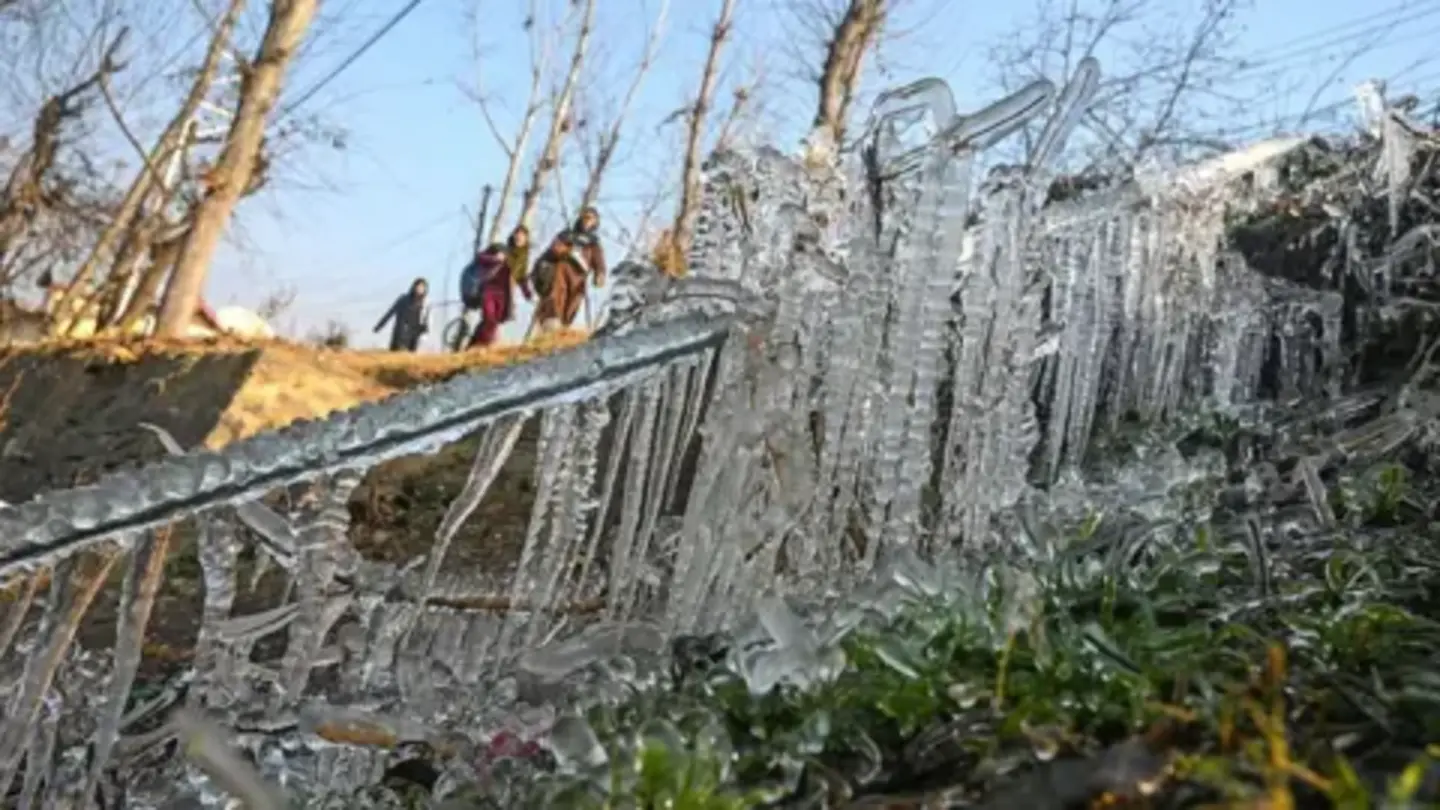
A severe cold wave has descended upon northern India, bringing frigid temperatures, dense fog, and widespread disruption to daily life. Images circulating from across the region depict stunning, yet harsh, scenes of frozen lakes and landscapes shrouded in thick fog, highlighting the intensity of the current weather conditions.
The cold wave is impacting several states, including Punjab, Haryana, Delhi, and Uttar Pradesh. Temperatures have plummeted well below normal, with some areas experiencing near-record lows. The India Meteorological Department (IMD) has issued warnings for cold day and severe cold day conditions, advising residents to take precautions against the extreme weather.
The dense fog is causing major problems for transportation. Visibility has been drastically reduced, leading to delays and cancellations of flights and trains. Road travel has also become hazardous, with authorities urging drivers to exercise extreme caution and avoid unnecessary journeys. Several highways have reported pile-ups due to the poor visibility.
The impact on daily life is significant. Schools have been forced to close or delay opening times in many areas, and outdoor activities have been curtailed. The cold weather is also putting a strain on power grids as demand for heating surges. Authorities are working to ensure a stable power supply, but residents are being advised to conserve energy.
Health Concerns Rise
Health officials are warning of increased risks of respiratory illnesses and hypothermia during the cold wave. Vulnerable populations, including the elderly, children, and those with pre-existing medical conditions, are particularly at risk. Hospitals are reporting a rise in the number of patients seeking treatment for cold-related ailments.
Shelters are being set up to provide temporary accommodation for the homeless and those without adequate heating. Local authorities are distributing blankets and warm clothing to those in need. Public awareness campaigns are underway to educate people about the dangers of the cold and how to protect themselves.
Farmers are also concerned about the impact of the cold wave on their crops, particularly wheat and mustard. Frost can damage these crops, potentially leading to lower yields. The government is considering measures to provide assistance to farmers affected by the cold weather.
The current cold wave is attributed to a combination of factors, including a prolonged period of clear skies and light winds. These conditions allow heat to escape from the surface, leading to a rapid drop in temperatures. The IMD predicts that the cold wave is likely to persist for several days, with little relief in sight. Residents are urged to remain vigilant and take all necessary precautions to stay safe and warm during this challenging period. The situation is being closely monitored by national and state disaster management authorities.
The unusually harsh winter is prompting discussions about climate change and its potential impact on weather patterns in the region. While attributing any single weather event to climate change is complex, experts note that the frequency and intensity of extreme weather events are increasing globally.
Image Source: Google | Image Credit: Respective Owner