A 26-year-old Iranian protester, Mohsen Shekari, is set to be executed, sparking international condemnation and raising concerns about the escalating response to ongoing demonstrations in the country. His family was granted a mere ten-minute visit for a final meeting, according to reports, highlighting the swift and limited due process afforded to those accused of participating in the unrest.
Shekari was convicted of “enmity against God” and “corruption on earth” – broad charges frequently used in Iran against political dissidents – for allegedly wounding a security guard during protests. The exact details of his alleged actions remain contested, and human rights organizations have raised serious doubts about the fairness of his trial, citing forced confessions and a lack of transparency.
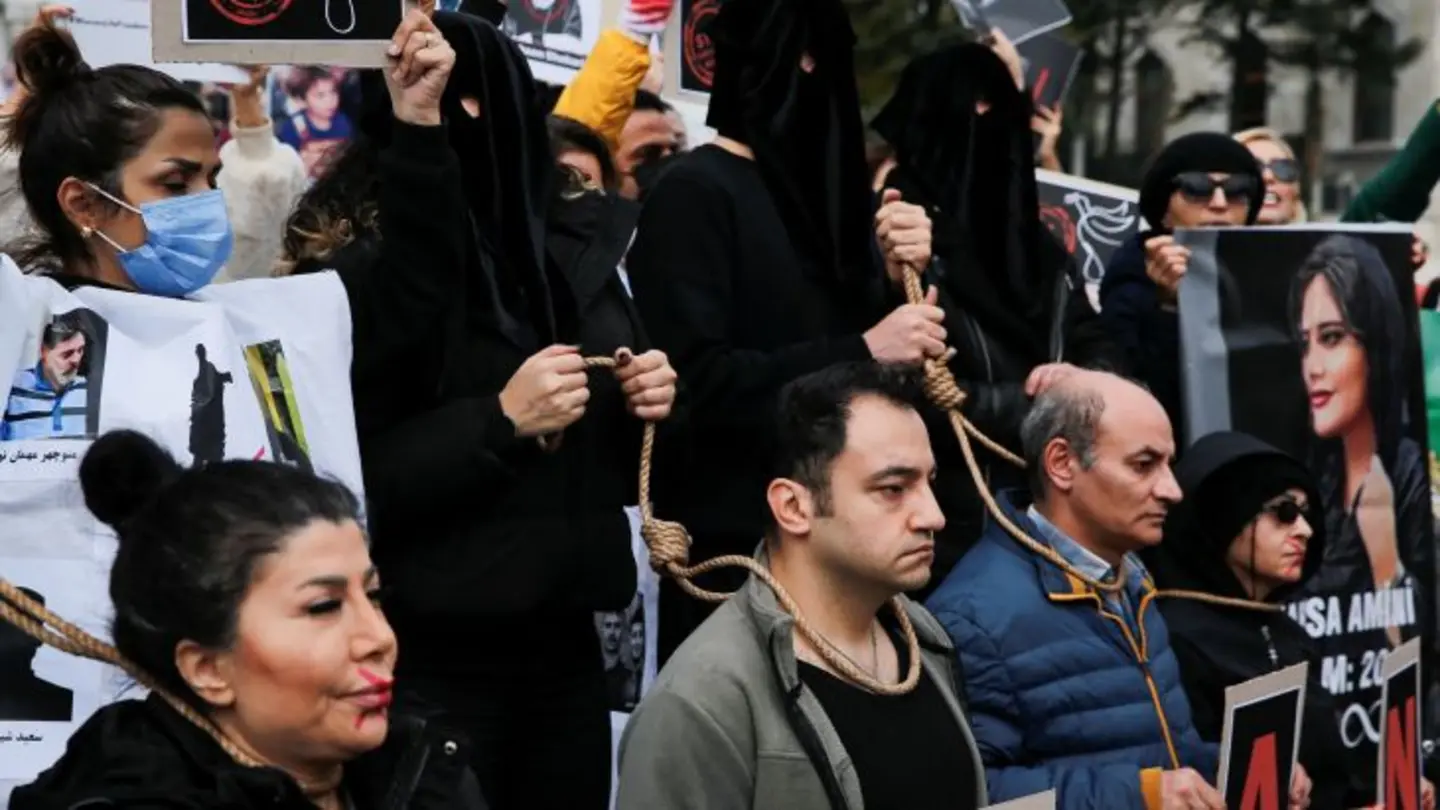
The impending execution comes amid a crackdown on protests that erupted in September following the death of Mahsa Amini, a 22-year-old woman who died in the custody of Iran’s morality police. Amini was arrested for allegedly violating the country’s strict dress code for women. Her death ignited widespread anger over issues of women’s rights, economic hardship, and political repression.
Iranian authorities have responded to the protests with increasing force, arresting thousands of people and imposing harsh sentences, including the death penalty. The use of capital punishment in such cases is a significant escalation and has drawn criticism from the United Nations, international human rights groups, and Western governments.
Growing International Pressure
The international community is voicing strong objections to the planned execution and the broader crackdown. Several countries have summoned Iranian ambassadors to express their concerns, and calls for sanctions against Iranian officials involved in the repression are growing louder. Human rights organizations are urging Iran to halt all executions related to the protests and to ensure fair trials for those detained.
Critics argue that the charges leveled against protesters are politically motivated and designed to stifle dissent. The speed with which trials are conducted, and the limited access to legal representation, further fuel these concerns. The ten-minute family visit granted to Shekari underscores the lack of compassion and due process in the Iranian judicial system, according to observers.
The Iranian government maintains that it is dealing with violent elements seeking to destabilize the country and that its actions are necessary to restore order. However, reports from the ground suggest that many of those arrested are ordinary citizens who were peacefully expressing their grievances.
The execution of Mohsen Shekari, if carried out, will likely further inflame tensions and could lead to a new wave of protests. It also represents a worrying trend in Iran’s response to dissent, signaling a willingness to use the most severe forms of punishment to silence opposition voices. The situation remains highly volatile, and the international community is closely monitoring developments.
The case highlights the urgent need for greater scrutiny of Iran’s human rights record and for sustained pressure on the government to respect the fundamental rights of its citizens. Advocates fear that Shekari is just the first of many protesters facing execution in the coming weeks and months.
Image Source: Google | Image Credit: Respective Owner