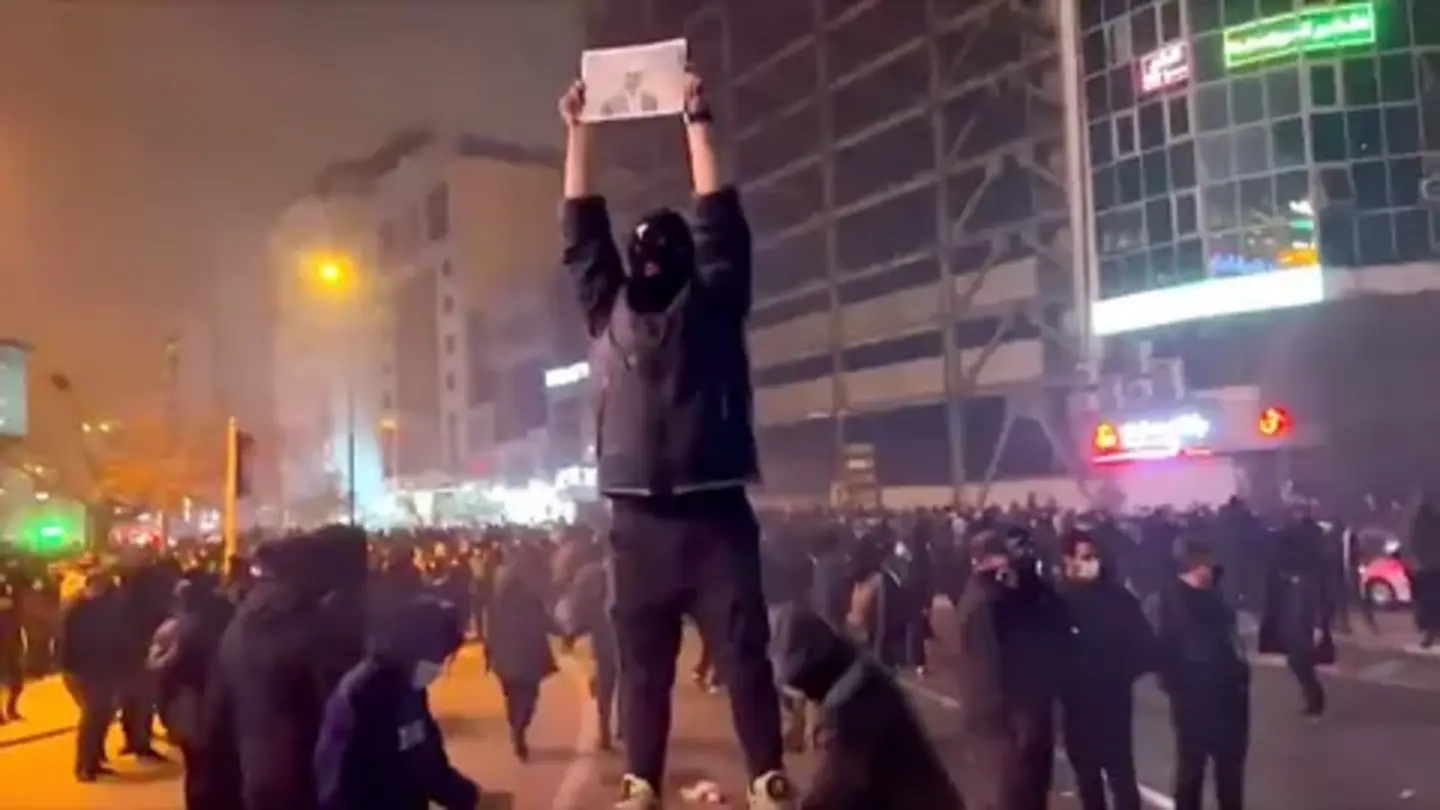
Iranian authorities have intensified a crackdown on internet access and dissent, conducting raids on private homes to confiscate Starlink satellite internet devices. This action follows the activation of a “kill switch” on the internet during recent protests, a move aimed at suppressing the flow of information and organizing efforts among demonstrators.
The raids, reported by multiple sources including India Today and citing information from Iranian activists and residents, target individuals suspected of using or possessing the technology provided by SpaceX’s Starlink. Starlink has gained prominence in Iran as a potential means of circumventing government censorship and maintaining communication channels, particularly during periods of restricted internet access. The Iranian government views unauthorized satellite internet access as a direct threat to national security and its control over the narrative.
The “kill switch,” implemented during periods of unrest, severely restricts internet connectivity, limiting access to social media platforms and messaging apps crucial for coordinating protests. While the Iranian government maintains this is a necessary measure to combat misinformation and maintain order, critics argue it’s a blatant attempt to stifle freedom of expression and suppress legitimate dissent. The use of Starlink offered a potential workaround, prompting the government’s aggressive response.
Escalating Tensions
These raids represent a significant escalation in Iran’s efforts to control the digital sphere. Previously, authorities focused on blocking access to specific websites and platforms. Now, they are actively pursuing and seizing hardware from private citizens. The extent of the confiscations is currently unclear, but reports suggest a widespread operation targeting multiple cities.
Elon Musk, the owner of SpaceX, had previously announced intentions to provide Starlink service to Iran, following requests for assistance in maintaining internet access during the protests. However, he later clarified that the service would only be available to those with legally obtained terminals, acknowledging the complexities of operating within Iranian regulations. Despite this, the availability of Starlink, even through unofficial channels, presented a challenge to the Iranian government.
The legal status of possessing Starlink devices in Iran remains ambiguous, further complicating the situation for users. Authorities are reportedly invoking vaguely defined national security laws to justify the seizures and potential prosecution of individuals found in possession of the technology. Human rights organizations have condemned the raids, calling them a violation of fundamental rights to freedom of expression and access to information.
The Iranian government has long maintained tight control over the internet, filtering content and monitoring online activity. The recent crackdown, coupled with the raids on Starlink users, underscores its determination to maintain this control, even as citizens seek alternative ways to connect to the outside world. The situation highlights the ongoing struggle between government censorship and the desire for open communication in Iran, and the role technology plays in this conflict. Further developments are expected as the government continues to enforce its restrictions on internet access and monitor potential sources of dissent.
Image Source: Google | Image Credit: Respective Owner