The Royal Aeronautical Society (RAeS) recently hosted a conference focusing on the future of space, specifically outlining anticipated developments and challenges through 2026. The event, detailed in reports, highlighted a rapidly evolving space sector driven by both governmental initiatives and burgeoning private enterprise. Key discussion points revolved around sustainable space operations, the increasing commercialization of low Earth orbit (LEO), and the ambitious goals of lunar and Martian exploration.
A significant portion of the conference addressed the critical need for space sustainability. The growing number of satellites in orbit, coupled with the debris generated from past missions, presents an escalating collision risk. Experts emphasized the importance of active debris removal technologies and improved space traffic management systems to mitigate this threat. RAeS members discussed the development of international regulations and standards to govern responsible behavior in space, preventing further fragmentation of orbital environments.
The commercialization of LEO was another prominent theme. Companies like SpaceX, Blue Origin, and Virgin Galactic are driving down the cost of access to space, opening up opportunities for a wider range of applications, including space-based manufacturing, tourism, and research. However, this increased activity also raises concerns about potential overcrowding and the need for clear guidelines regarding resource allocation and orbital slot assignments. The conference explored business models for in-space servicing, assembly, and manufacturing, predicting substantial growth in these areas by 2026.
Lunar and Martian Ambitions
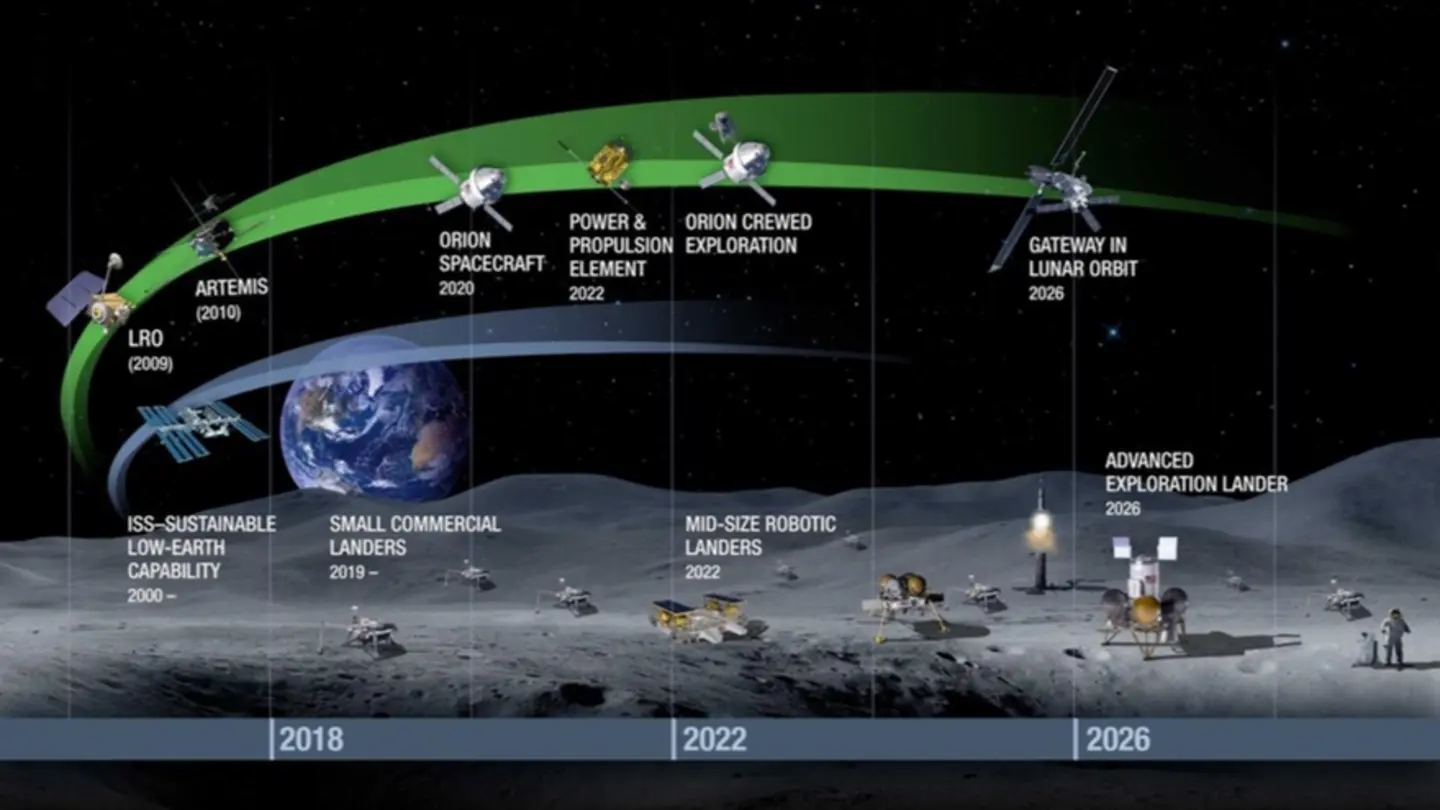
The renewed focus on lunar exploration, spearheaded by NASA’s Artemis program and similar initiatives from other space agencies, was a central topic. Discussions covered the challenges of establishing a long-term human presence on the Moon, including the development of lunar habitats, resource utilization (particularly water ice), and radiation shielding. The conference also addressed the logistical complexities of transporting materials and personnel to and from the lunar surface.
Looking further ahead, the RAeS conference examined the preparations for crewed missions to Mars. While a landing on Mars remains a longer-term goal, significant progress is being made in areas such as propulsion systems, life support technologies, and planetary protection protocols. The psychological and physiological challenges of long-duration spaceflight were also highlighted, emphasizing the need for innovative solutions to maintain crew health and performance. The role of international collaboration in achieving this ambitious objective was deemed essential.
Furthermore, the event touched upon advancements in space-based observation technologies, including Earth observation satellites for climate monitoring and disaster response, and space telescopes for astronomical research. The increasing availability of data from these sources is expected to drive breakthroughs in various scientific fields. The RAeS emphasized the importance of fostering a skilled workforce to support the continued growth and innovation within the space sector. Investment in STEM education and training programs was identified as a crucial priority to ensure the UK remains competitive in the global space landscape. The overall sentiment was optimistic, with attendees anticipating a period of unprecedented activity and discovery in space over the next few years.
Image Source: Google | Image Credit: Respective Owner