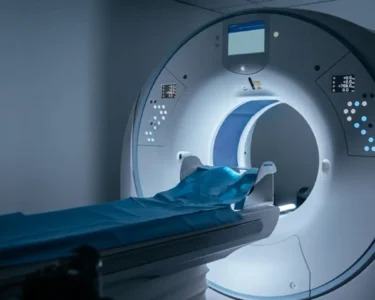
The National Institute for Health and Care Research (NIHR) has announced funding for a groundbreaking clinical trial aimed at improving the early detection of liver disease. This initiative, described as a ‘landmark’ study, seeks to identify individuals at risk of developing serious liver conditions, potentially years before symptoms manifest.
Currently, many people with liver disease are diagnosed at a late stage, when treatment options are limited and the prognosis is poorer. This new trial will focus on utilizing advanced diagnostic tools and biomarkers to pinpoint early signs of liver damage and fibrosis – the scarring of the liver – in primary care settings. The goal is to integrate these tests into routine health checks, making early detection more accessible and efficient.
Trial Details and Scope
The trial will involve a large cohort of participants from diverse backgrounds, reflecting the varied prevalence of liver disease risk factors within the UK population. Researchers will evaluate the accuracy and cost-effectiveness of different non-invasive tests, including blood tests and potentially imaging techniques, in identifying individuals who would benefit from further investigation and intervention.
The NIHR funding will support a multi-center study, bringing together leading liver specialists, researchers, and primary care practitioners. This collaborative approach is crucial for ensuring the trial’s success and its eventual translation into clinical practice. The study will also investigate the psychological impact of receiving an early diagnosis of potential liver disease, and how best to support patients through this process.
Key risk factors for liver disease include obesity, excessive alcohol consumption, viral hepatitis (such as Hepatitis B and C), and certain genetic conditions. The trial aims to refine risk stratification models, allowing healthcare professionals to more accurately identify those most likely to develop complications. Early intervention, including lifestyle changes and medical treatment, can significantly slow the progression of liver disease and even prevent the need for a liver transplant.
Professor Fiona Campbell, a lead investigator on the trial, emphasized the importance of early detection, stating that “identifying liver disease at an earlier stage gives us a much greater opportunity to intervene and improve patient outcomes.” She added that the NIHR funding is a “critical step” towards realizing this goal. The trial is expected to run for several years, with initial results anticipated in the next 24-36 months.
The NIHR’s investment in this research underscores the growing recognition of liver disease as a major public health challenge. Liver disease is now one of the leading causes of death in the UK, and its incidence is rising, driven by factors such as the obesity epidemic and increasing rates of alcohol-related liver damage. This trial represents a proactive effort to address this challenge and improve the lives of those at risk.
Beyond the immediate benefits to patients, the trial is also expected to generate valuable data that will inform national screening programs and healthcare policies related to liver disease. The findings will be disseminated widely through peer-reviewed publications and presentations at international conferences, ensuring that the knowledge gained reaches a global audience.
Image Source: Google | Image Credit: Respective Owner