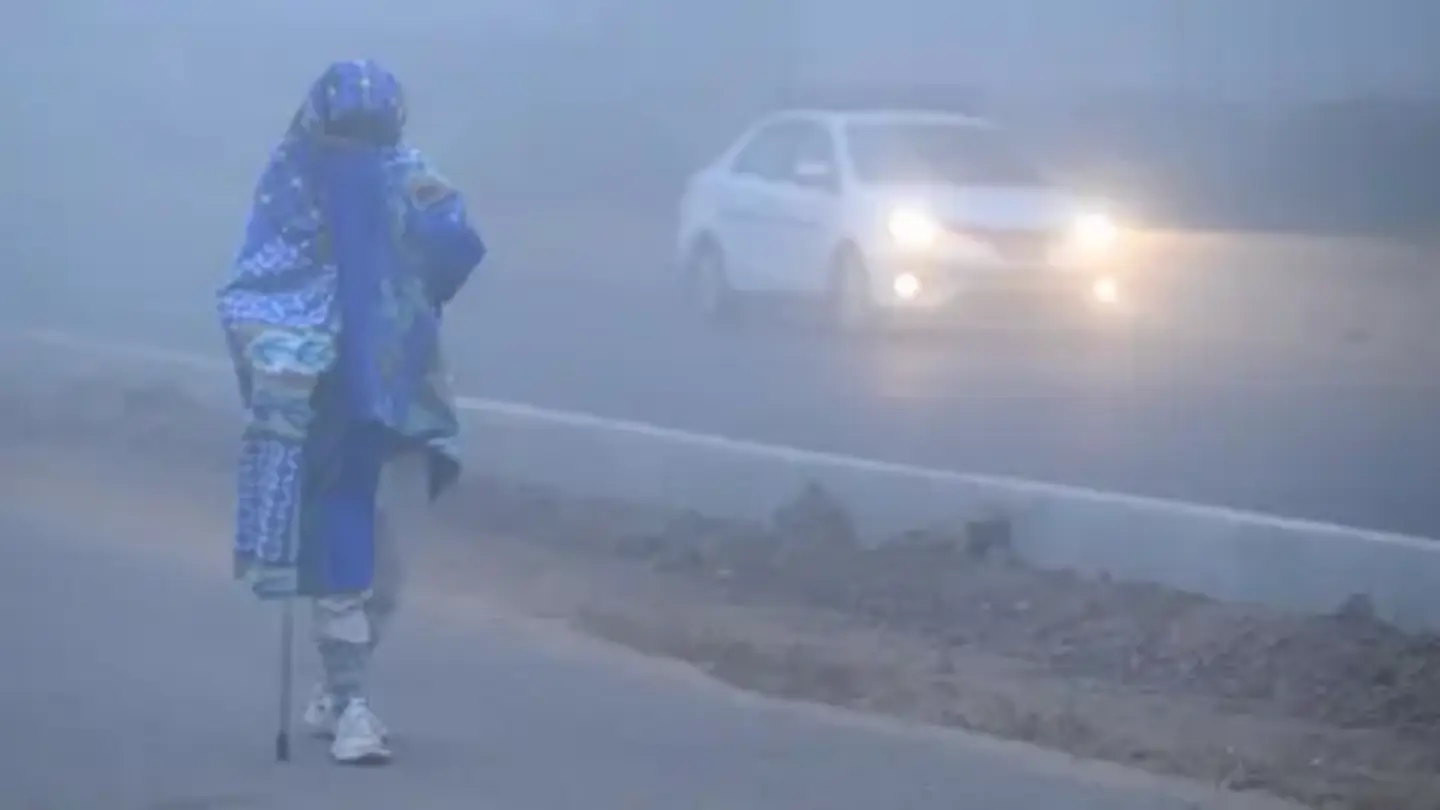
New Delhi, India – The national capital is experiencing severe cold wave conditions, with the India Meteorological Department (IMD) issuing a two-day orange alert for Delhi. Temperatures have plummeted dramatically, causing widespread disruption and raising concerns for vulnerable populations. Ayanagar, a weather station in Delhi, recorded a minimum temperature of 2.9°C (37.2°F) early Monday morning, marking it as the lowest temperature recorded in the city in the last ten years.
The current cold spell is attributed to a prolonged period of dry and cold northwesterly winds blowing from the Himalayas. These winds, combined with clear skies and low humidity, are contributing to the sharp drop in temperatures and the intensifying cold wave. The IMD defines a cold wave as a condition where the minimum temperature drops to 4°C or below, or is 4.5°C or less with penetrating winds. Both criteria are currently being met across several parts of Delhi-NCR.
Authorities have issued advisories urging residents to take precautions against the cold, including dressing warmly, staying hydrated, and avoiding prolonged exposure to the outdoors. Special attention is being given to the homeless and those living in vulnerable conditions, with shelter homes being opened and provided with blankets and heating facilities. Delhi’s Social Welfare Department is actively distributing warm clothes and ensuring access to food and medical assistance for those in need.
Impact on Daily Life
The extreme cold is having a significant impact on daily life in Delhi. Visibility has been reduced in several areas due to dense fog, leading to delays and cancellations of flights and trains. Traffic movement has also been affected, with increased reports of accidents. Schools have largely remained open, but parents are expressing concern and some are reluctant to send their children, particularly the very young.
Market activity has also slowed down as people prefer to stay indoors. Vendors are experiencing lower sales, and many are adapting by offering warmer clothing and beverages. Hospitals are reporting a rise in cases of respiratory illnesses, including bronchitis and pneumonia, largely attributed to the cold and dry weather. Doctors are advising individuals with pre-existing conditions to take extra care.
The current cold wave is expected to persist for at least two more days, with temperatures likely to remain below normal. The IMD forecasts a gradual increase in temperatures from Wednesday onwards, but warns that cold wave conditions may return if the weather patterns change. The prolonged exposure to such low temperatures poses a risk of hypothermia and frostbite, and residents are urged to remain vigilant and take necessary precautions. The Delhi government has announced measures to ensure the availability of essential services and to mitigate the impact of the cold wave on the city’s population.
The situation is being closely monitored by the relevant authorities, and further measures may be taken if the cold wave intensifies. Residents are encouraged to stay updated on the latest weather forecasts and advisories issued by the IMD.
Image Source: Google | Image Credit: Respective Owner