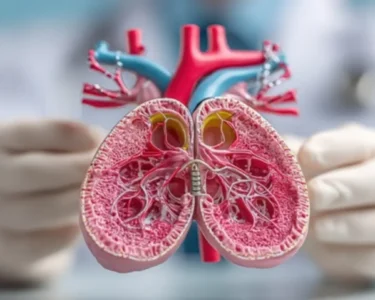
New research published in the European Medical Journal suggests that statin therapy, commonly used to lower cholesterol, may be associated with improved survival rates in patients experiencing acute kidney injury (AKI). The observational study, analyzing data from a large cohort, challenges previous assumptions about statin use in individuals with compromised kidney function and opens potential new avenues for AKI treatment and management.
Acute kidney injury, a sudden decline in kidney function, is a serious condition impacting a significant percentage of hospitalized patients. It leads to a buildup of waste products in the blood and can result in a range of complications, including increased risk of chronic kidney disease, cardiovascular events, and death. The standard approach to managing AKI focuses on supportive care, addressing the underlying cause, and preventing further damage.
Researchers investigated whether prior or concurrent statin use influenced the outcome of AKI patients. The study followed a large group of individuals hospitalized with AKI, meticulously tracking their statin exposure and assessing their one-year survival rates. The results indicated a statistically significant association between statin therapy and a lower risk of mortality. This survival benefit was observed even after adjusting for various confounding factors, such as age, sex, pre-existing conditions like diabetes and heart failure, and the severity of AKI.
While the mechanisms underpinning this protective effect are not fully understood, several hypotheses are being explored. Statins possess pleiotropic effects – meaning they have functions beyond cholesterol reduction. These include anti-inflammatory properties, endothelial stabilization, and improved blood flow, all of which could potentially mitigate kidney damage during an AKI episode. Furthermore, statins may reduce oxidative stress, another key contributor to AKI progression.
Study Limitations & Future Research
It’s crucial to emphasize that this study demonstrates an association, not causation. Observational studies are prone to biases, and it’s possible that individuals receiving statins differed in other ways from those who weren’t, which could explain the observed survival advantage. To confirm these findings, randomized controlled trials specifically designed to evaluate the effect of statins on AKI outcomes are needed.
Despite these limitations, the study’s findings are compelling enough to warrant further investigation. Clinicians are urged to review existing guidelines and consider this new evidence when making treatment decisions for patients with AKI. The results could lead to changes in standard AKI protocols, potentially incorporating statins as an adjunct therapy to improve patient outcomes.
The research team is now planning to delve deeper into the specific types of statins that might offer the greatest benefit and to identify patient subgroups who are most likely to respond to therapy. They also intend to examine the impact of statins on the long-term trajectory of kidney function following AKI. This includes assessing rates of progression to chronic kidney disease and the need for dialysis or kidney transplantation. Understanding these nuances will be essential for personalizing AKI treatment and optimizing patient care.
The study reinforces the evolving understanding of statins’ roles beyond cardiovascular health, suggesting a broader therapeutic potential. Continued research and clinical trials are critical to unlock the full benefits of statin therapy for a wider range of conditions, including those affecting the kidneys.
Image Source: Google | Image Credit: Respective Owner