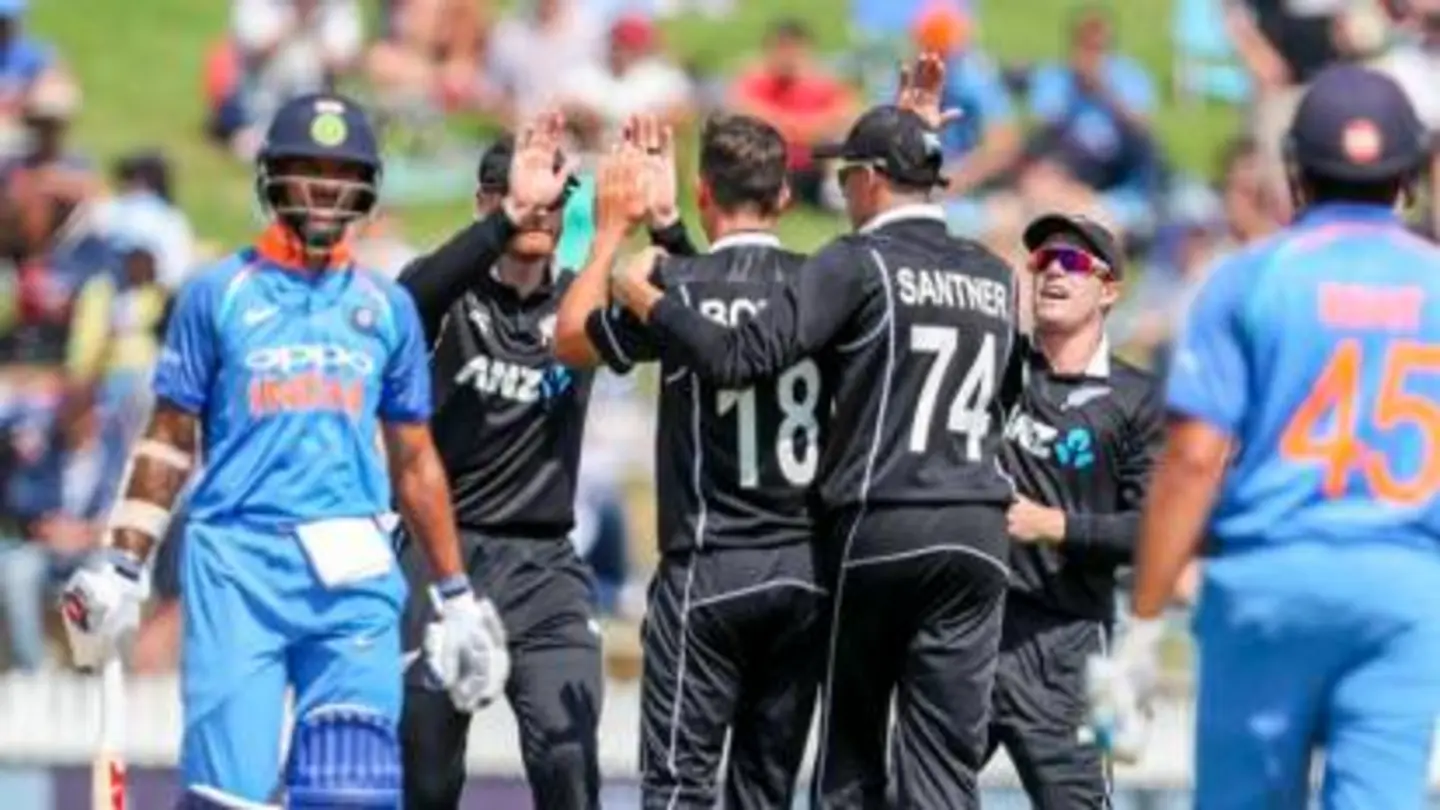
Former Indian cricketer and commentator Sanjay Bangar sparked a significant controversy during the ongoing India versus New Zealand cricket series. While providing commentary for a match, Bangar referred to Hindi as the “national language of India,” a statement that drew immediate and widespread backlash online, particularly from users in South India.
The incident occurred during a live broadcast, and Bangar’s remark quickly circulated on social media platforms like X (formerly Twitter). Critics pointed out that India does not have a designated national language, a fact enshrined in the country’s linguistic policies. The Indian Constitution recognizes 22 scheduled languages, with Hindi and English designated as the official languages of the Union government. However, this doesn’t equate to Hindi being officially declared the ‘national language.’
Numerous users voiced their objections, highlighting the linguistic diversity of India and the importance of respecting all languages. Many expressed concerns that such remarks contribute to a sense of Hindi imposition, a sensitive topic in several southern states where Dravidian languages like Tamil, Telugu, Kannada, and Malayalam are predominantly spoken. The issue of language has been politically charged in India for decades.
The debate reignited discussions about linguistic nationalism and the need for inclusivity in public discourse. Several commentators and linguists weighed in, reinforcing the constitutional position on the matter. They emphasized the absence of any legal provision declaring Hindi as the nation’s national language. Some users even called for Bangar’s removal from commentary duties.
Constitutional Provisions & Linguistic Diversity
The roots of the controversy lie in the historical and political context of India’s linguistic landscape. Following independence, the question of a national language was fiercely debated. The eventual agreement, reflected in the Constitution, recognized Hindi as an official language while safeguarding the status of other scheduled languages. This compromise aimed to balance the desire for a unifying language with the need to respect regional linguistic identities.
Bangar has not yet issued a public apology or clarification for his comment. The Board of Control for Cricket in India (BCCI) and the official broadcasters are yet to release official statements addressing the situation. The incident raises broader questions about the sensitivity required when discussing language issues in a diverse country like India, particularly in public forums like sports commentary.
The controversy also underscores the power of social media to quickly amplify and mobilize public opinion on matters of national importance. While freedom of speech is a fundamental right, critics say such casual, inaccurate statements can perpetuate harmful stereotypes and contribute to societal divisions. The conversation continues to unfold online, with many demanding more responsible and accurate language from public figures.
Ultimately, the incident serves as a reminder of the complexities surrounding language and identity in India. The need for a nuanced understanding of India’s linguistic policies and a commitment to inclusivity remains paramount, ensuring that all languages and cultures are celebrated and respected. The continued discussion aims to promote linguistic harmony and avoid the pitfalls of linguistic bias.
Image Source: Google | Image Credit: Respective Owner