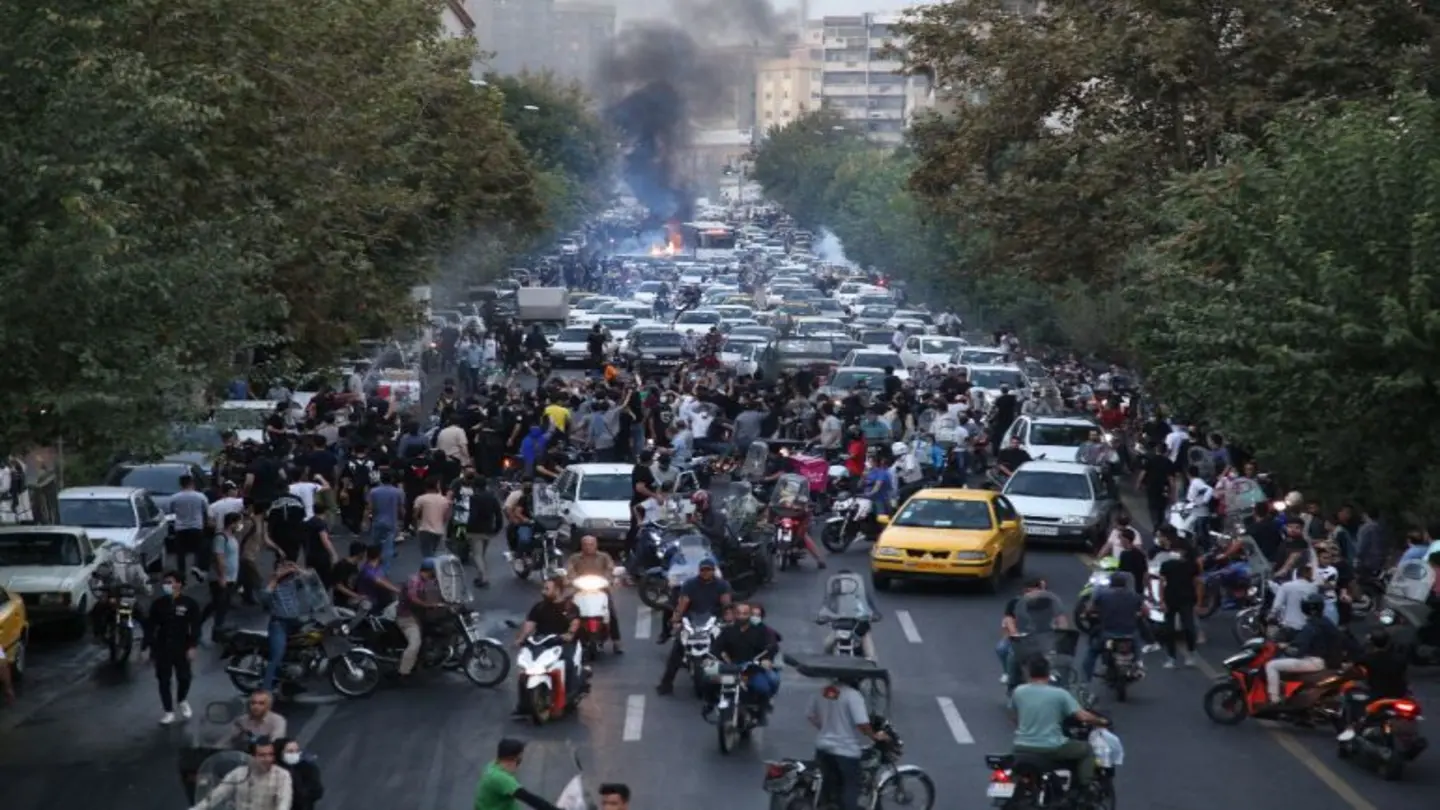
Senator Marco Rubio has publicly expressed strong support for the Iranian people as they continue to engage in widespread protests against the current government. The protests, sparked by the death of Mahsa Amini while in the custody of the morality police, have entered their fourth week and represent a significant challenge to the authority of the Islamic Republic.
Rubio’s statement, released on Sunday, emphasizes the United States’ solidarity with those demanding greater freedoms and rights within Iran. He condemned the regime’s violent crackdown on demonstrators, which has resulted in numerous deaths and injuries, as well as the arrest of activists, journalists, and ordinary citizens. The Senator highlighted the courage of the Iranian people, particularly women, who are at the forefront of the protests.
The demonstrations initially focused on the mandatory hijab laws but have since broadened to encompass a range of grievances, including economic hardship, political repression, and social restrictions. Chants of “Woman, Life, Freedom” have become a rallying cry for the movement, resonating both within Iran and internationally.
While Rubio’s statement offers moral support, the possibility of concrete action from the US remains a complex issue. The Biden administration has already imposed sanctions on Iranian officials involved in the suppression of protests, and further economic measures are being considered. However, the US approach is complicated by ongoing negotiations regarding Iran’s nuclear program.
The Joint Comprehensive Plan of Action (JCPOA), the 2015 nuclear deal, is currently stalled. Reaching an agreement is seen by some as a means of potentially influencing Iran’s domestic policies, while others argue that any concessions to the regime would be seen as a betrayal of the protesters. Rubio, a long-time critic of the Iranian government and the JCPOA, has consistently advocated for a tougher stance against Tehran.
International Response
The international response to the protests has been varied. Several countries have voiced their concern over the violence and called for respect for human rights. However, there is a lack of consensus on how to best address the situation. Some nations are hesitant to take strong action against Iran, citing economic or strategic considerations.
The Iranian government has accused foreign powers, including the United States, of interfering in its internal affairs and fueling the unrest. These accusations have been widely dismissed by Western governments, who maintain that their support lies solely with the Iranian people. State media in Iran continues to portray the protests as orchestrated by enemies of the state.
The situation remains volatile, with protests continuing in cities across Iran. The government’s response is unpredictable, and the potential for further escalation is high. Rubio’s statement serves as a clear signal of US support for the Iranian people’s aspirations for a more free and democratic future, but the path forward remains uncertain.
Analysts suggest that the protests represent a fundamental shift in Iranian society, with a growing dissatisfaction with the clerical establishment. Whether this unrest will translate into lasting political change remains to be seen, but the current wave of protests is undoubtedly a significant moment in Iran’s history. Support from international figures like Senator Rubio demonstrates the global attention focused on the unfolding events.
Image Source: Google | Image Credit: Respective Owner