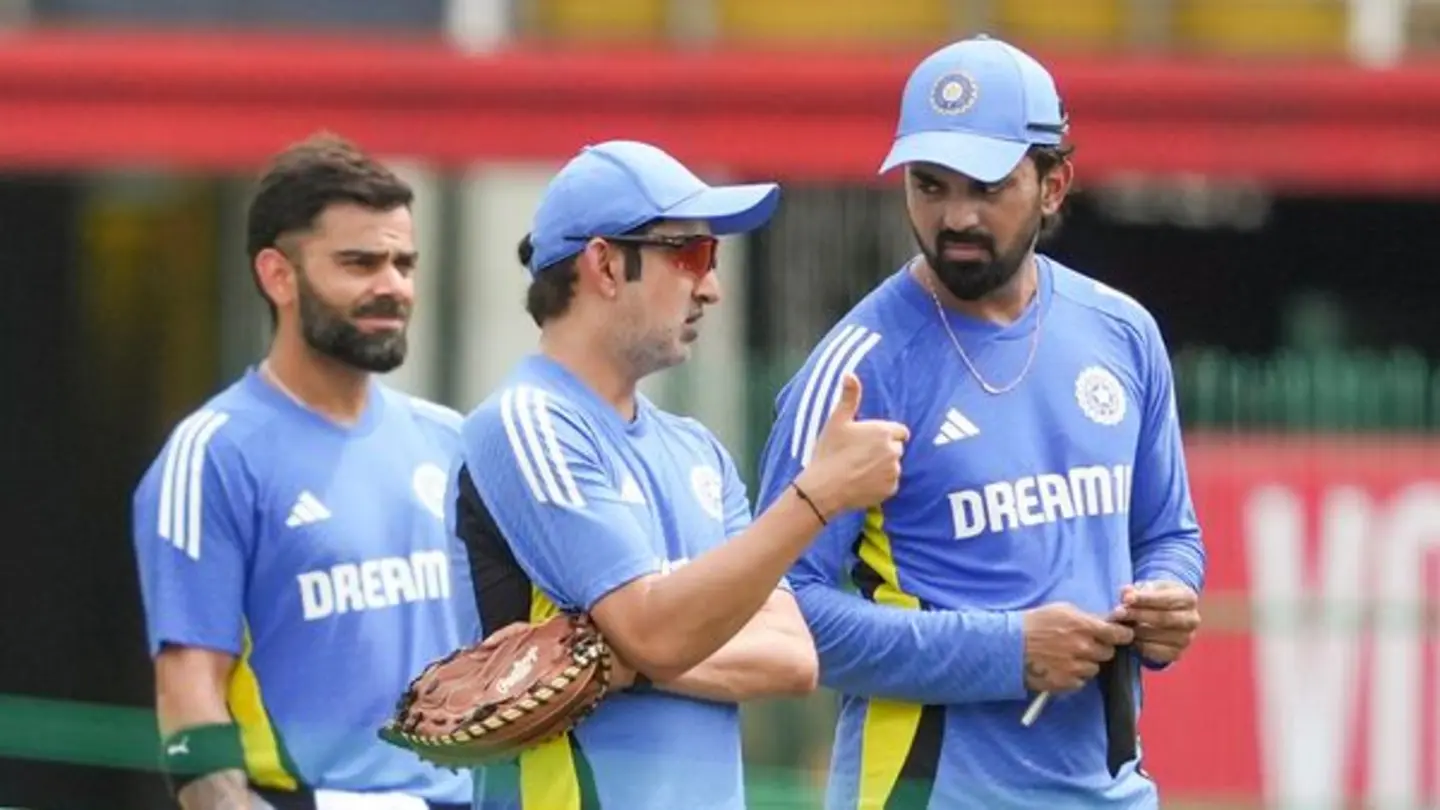
Former South African captain Graeme Smith has pointed to an intriguing transition period occurring within the Indian cricket team, specifically noting the dynamic between newly appointed Indian head coach Gautam Gambhir and the team’s established senior players. Smith’s observations come as India prepares for a series of crucial international tournaments, including the ICC World Test Championship and the ODI World Cup.
Speaking on a podcast, Smith highlighted that Gambhir, known for his direct and assertive approach, will inevitably challenge the existing norms and potentially reshape the team’s dynamics. Historically, the Indian team has given considerable weight to the opinions and preferences of its veteran players, and Smith believes Gambhir’s style may lead to some friction initially. However, he also asserted this friction could be a positive catalyst for improved performance and a greater willingness to embrace new strategies.
Gambhir’s No-Nonsense Approach
Gambhir’s coaching philosophy, revealed in early statements, emphasizes a rigorous, performance-driven environment, quite unlike the more consensus-building approaches seen previously. Smith believes this boldness is necessary for India to maintain its dominance in world cricket. “What’s interesting with India is the dynamics of Gambhir coming in,” Smith stated, “He is a tough character, and he will ask questions of the senior players.”
The former Proteas captain predicts a shift in power dynamics, where players will need to continuously prove their worth based on performance rather than solely relying on past achievements. This could lead to tough conversations and potential selection dilemmas, but Smith argues it’s a necessary step for long-term team growth. He suggested that veteran players will have to adapt to a new environment where their positions are regularly challenged.
Smith also acknowledged the inherent challenge of managing a team brimming with superstars, each possessing strong personalities and established routines. Successfully navigating these personalities will be key for Gambhir, and the ability to foster a cohesive unit while encouraging individual accountability will be a critical indicator of his success as coach.
He emphasized the importance of Gambhir establishing clear expectations and creating a culture where players are driven to excel, surpassing what has been achieved before. While potential disagreements are foreseeable, Smith expressed confidence that Gambhir’s strong leadership qualities could help guide the team through this transition successfully. The focus, he says, must always remain on collective performance and achieving consistent results in high-pressure situations.
The impact of this transition is expected to be seen in the upcoming series, as Gambhir tests combinations and assesses the responsiveness of the squad to his methods. Observers will be closely watching how the senior players react to the new coaching regime and whether they embrace the challenge or resist the changes. The squad’s response will ultimately determine whether Smith’s assessment proves accurate and herald a new era of Indian cricketing dominance or a period of internal adjustment before reaching its full potential.
Image Source: Google | Image Credit: Respective Owner