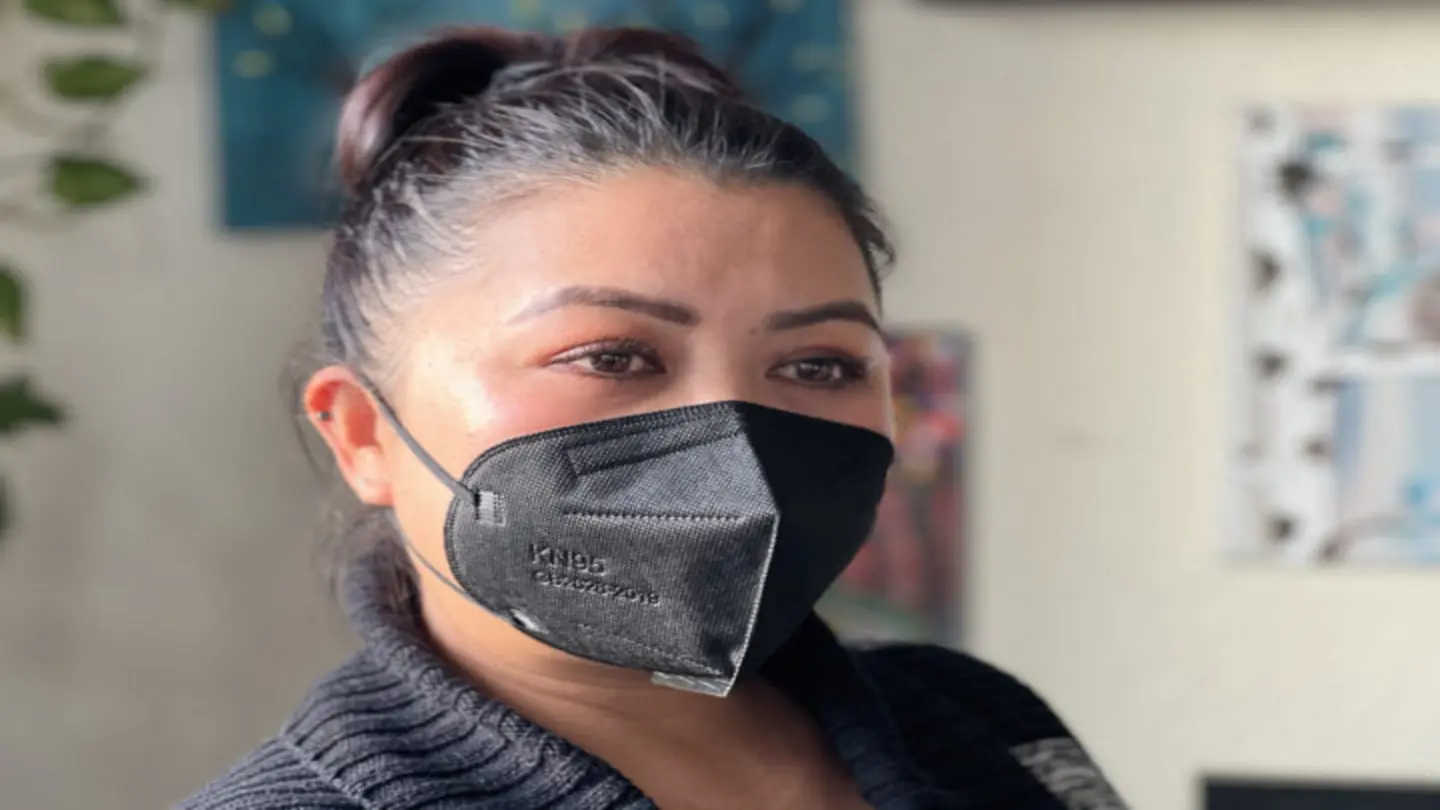
The World Health Organization (WHO) is facing calls to update its guidance on mask usage, with advisors suggesting that standard face masks are largely inadequate in preventing the spread of airborne viruses like COVID-19. A recent report to the WHO emphasizes the superior protection offered by respirators, such as N95s, particularly in crowded indoor settings.
The advice stems from a growing body of scientific evidence demonstrating that SARS-CoV-2, the virus causing COVID-19, and other respiratory pathogens primarily transmit through the air. Traditional face masks, often made of cloth or surgical materials, offer limited protection against these airborne particles, especially when compared to respirators designed to filter out a significant percentage of small aerosols.
According to the report, the current emphasis on face masks may be giving a false sense of security. While masks can offer some benefit, particularly in reducing droplet transmission, they are less effective against the dominant airborne route. This is especially concerning as new variants of the virus continue to emerge, some of which may be more transmissible through the air.
Respirator Benefits and Challenges
Respirators, on the other hand, are engineered to create a tight seal around the nose and mouth, forcing air to pass through a filter that captures a high proportion of airborne particles. This makes them significantly more effective at preventing both inhalation and exhalation of the virus. However, widespread adoption of respirators faces challenges, including cost, comfort, and supply chain limitations.
The WHO’s current guidance, largely established early in the pandemic, recommends masks for the general public and respirators primarily for healthcare workers. The advisors argue that this guidance needs to be revised to reflect the updated understanding of viral transmission. They suggest promoting the use of respirators in high-risk environments, such as hospitals, public transportation, and crowded indoor events.
The shift in recommendation isn’t simply about changing the type of face covering. It also necessitates improved ventilation in indoor spaces. The report highlights the importance of measures like opening windows, using air purifiers with HEPA filters, and upgrading HVAC systems to increase airflow and dilute airborne concentrations of the virus.
Experts emphasize that a multi-layered approach is crucial for effective protection. This includes vaccination, improved ventilation, and the use of appropriate respiratory protection, with respirators playing a more prominent role than currently advised. The WHO is expected to review the recommendations and potentially update its guidance in the coming weeks. The debate underscores the evolving understanding of how viruses spread and the need for public health measures to adapt accordingly. The cost-benefit analysis of wider respirator use, considering both public health impact and economic factors, will be a key consideration for the WHO.
Image Source: Google | Image Credit: Respective Owner