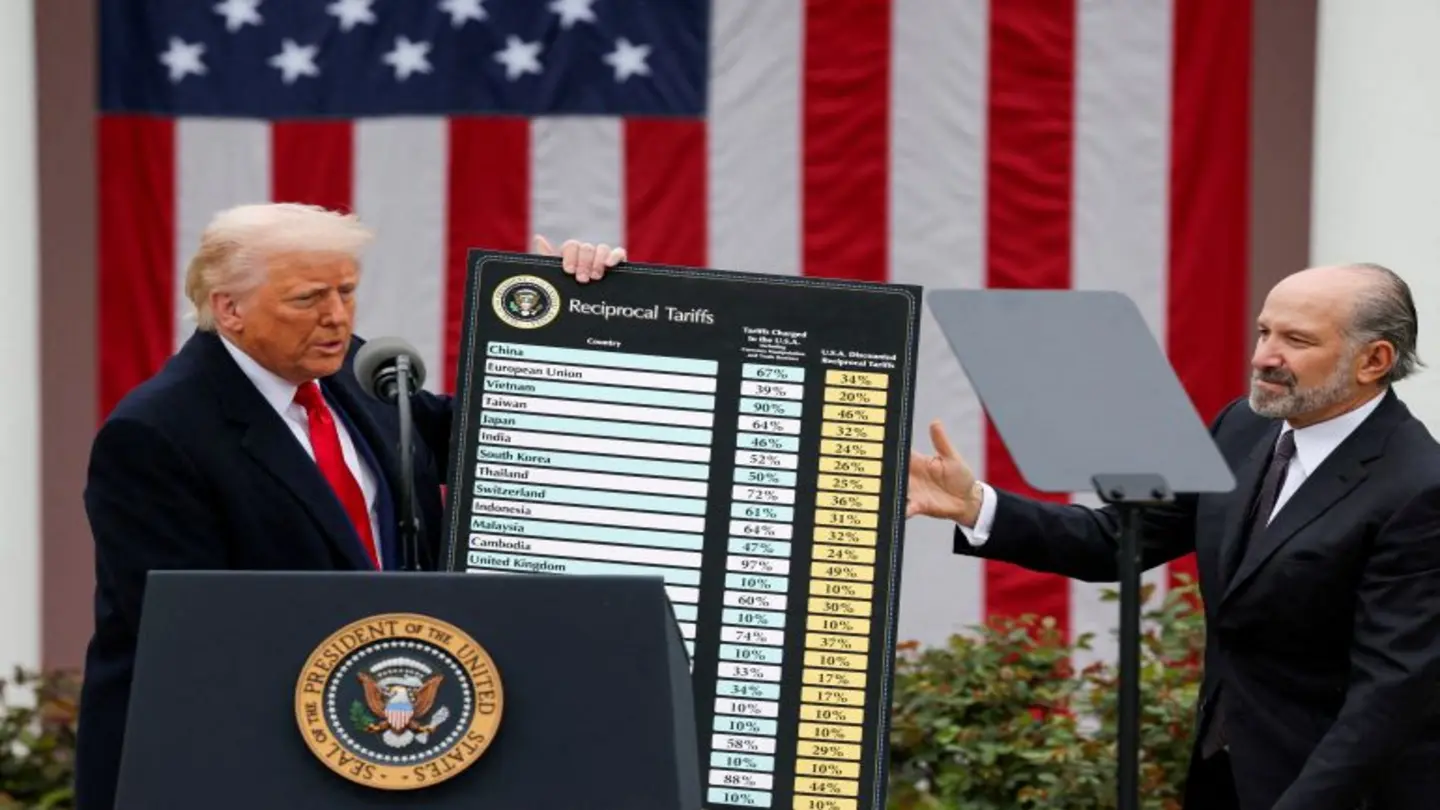
The U.S. Supreme Court has temporarily halted a ruling regarding tariffs imposed during the Trump administration, leaving Indian markets under pressure and fostering a climate of uncertainty. The court’s decision postpones a potential challenge to the legality of tariffs on steel and aluminum imports, initially enacted under Section 232 of the Trade Expansion Act of 1962. This action impacts global trade dynamics and specifically affects nations like India, which have been subject to these tariffs.
Indian stock markets responded negatively to the news, with benchmark indices experiencing downward pressure. Investors are concerned about the potential for escalating trade tensions and the broader economic implications of the ongoing tariff dispute. The delay introduces further ambiguity, making it difficult for businesses to plan for the future and potentially hindering investment decisions.
Impact on Indian Economy
India has long advocated for the removal of these tariffs, arguing they unfairly target Indian steel and aluminum exports. The tariffs have impacted Indian exporters, leading to reduced competitiveness in the U.S. market. While the Biden administration has engaged in negotiations to resolve the issue, a definitive solution remains elusive. The Supreme Court’s intervention adds another layer of complexity to the situation.
The delay allows the Biden administration more time to potentially negotiate a resolution with affected countries, including India. However, it also raises the possibility that the issue could remain unresolved for an extended period, prolonging the uncertainty for businesses and investors. Analysts suggest that the longer the tariffs remain in place, the greater the potential for long-term economic damage.
The original case centered around challenges from several companies that imported steel and aluminum products and were required to pay the tariffs. They argued that the tariffs were unlawful and exceeded the president’s authority. The Supreme Court’s decision to hear the case had initially raised hopes for a swift resolution, but the temporary stay has dashed those expectations.
The Indian government is closely monitoring the situation and is prepared to engage with the U.S. administration to protect its interests. Officials have emphasized the importance of a rules-based international trading system and have called for a fair and equitable resolution to the tariff dispute. The outcome of this case will have significant implications for India’s trade relationship with the United States and its broader economic outlook. The continued uncertainty is expected to keep Indian markets volatile in the near term, as investors await further clarity on the situation. The delay also underscores the complex interplay between domestic politics and international trade policy.
Market analysts are advising caution, suggesting investors remain vigilant and assess their risk exposure. The situation highlights the vulnerability of emerging markets to global trade disruptions and the importance of diversifying investment portfolios. The Supreme Court’s next move will be crucial in determining the future of these tariffs and their impact on the global economy.
Image Source: Google | Image Credit: Respective Owner