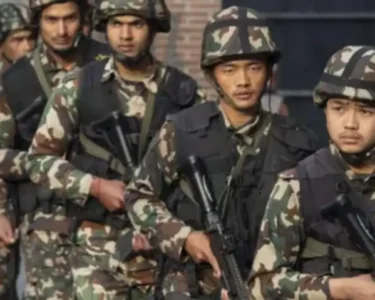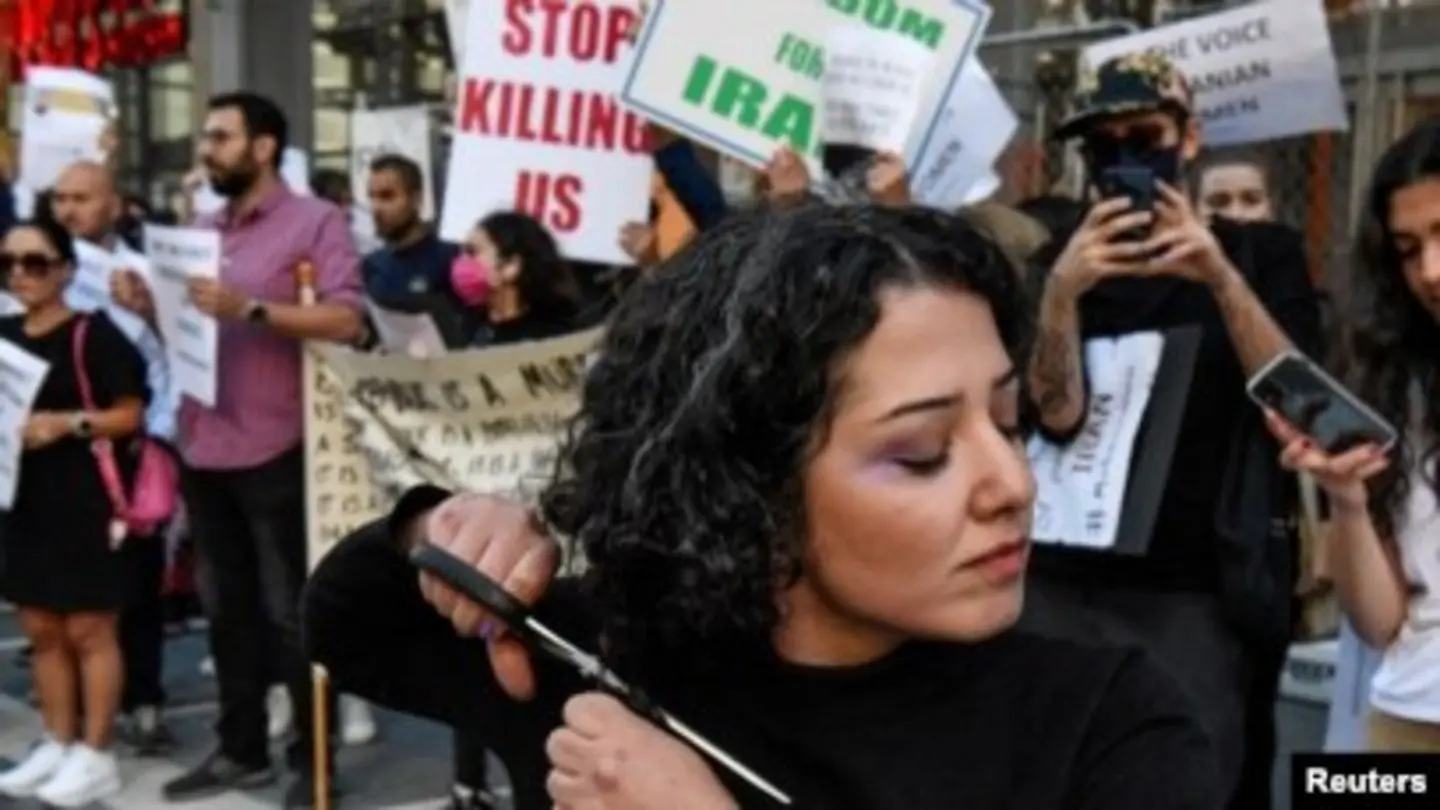
Widespread protests are continuing across Iran, triggered by the death of Mahsa Amini while in the custody of the morality police. The demonstrations, initially focused on mandatory hijab laws, have broadened into a challenge to the Islamic Republic’s authority. Authorities have responded with a severe crackdown, including internet shutdowns and the deployment of security forces.
The Iranian government has restricted access to the internet, severely limiting communication for citizens and hindering the flow of information to the outside world. This move is aimed at suppressing the protests and preventing further mobilization. Despite the restrictions, reports and videos continue to emerge via satellite internet and circumvention tools, showcasing the scale and intensity of the unrest.
Reza Pahlavi, the son of the last Shah of Iran, has issued an “urgent message” appealing for support from former US President Donald Trump. Pahlavi called on Trump to pressure the current US administration to take a firm stance against the Iranian regime and support the protesters’ demands for freedom and democracy. He emphasized the need for a unified international response to the escalating crisis.
The protests have spread to numerous cities, including Tehran, Isfahan, and Shiraz, with demonstrators chanting anti-government slogans and calling for the overthrow of the ruling clerical establishment. Reports indicate clashes between protesters and security forces, resulting in injuries and arrests. The exact number of casualties remains disputed, with human rights organizations expressing concern over the lack of transparency from Iranian authorities.
International Response
The international community has largely condemned the Iranian government’s crackdown on protests and the internet shutdown. Several countries have summoned Iranian ambassadors to express their concerns, and some have imposed sanctions on Iranian officials involved in the repression. The United Nations has called for an independent investigation into Amini’s death and the subsequent violence.
The United States has announced new sanctions targeting Iranian officials and entities responsible for suppressing the protests. The Biden administration has also pledged to provide tools and technologies to help Iranians circumvent the internet censorship. European Union officials are considering further sanctions and diplomatic measures.
The situation in Iran remains highly volatile and unpredictable. The protests show no signs of abating, and the government’s response is likely to be increasingly harsh. The internet shutdown is exacerbating the crisis, making it difficult to assess the true extent of the unrest and the human cost of the crackdown. The coming days and weeks will be crucial in determining the future of Iran and the fate of its people.
Analysts suggest that the protests represent a significant challenge to the legitimacy of the Islamic Republic, which has been in power since 1979. The widespread discontent and the courage of the protesters could potentially lead to fundamental changes in the country’s political landscape. However, the regime is unlikely to relinquish power easily, and a prolonged period of instability and conflict is a distinct possibility.
Image Source: Google | Image Credit: Respective Owner