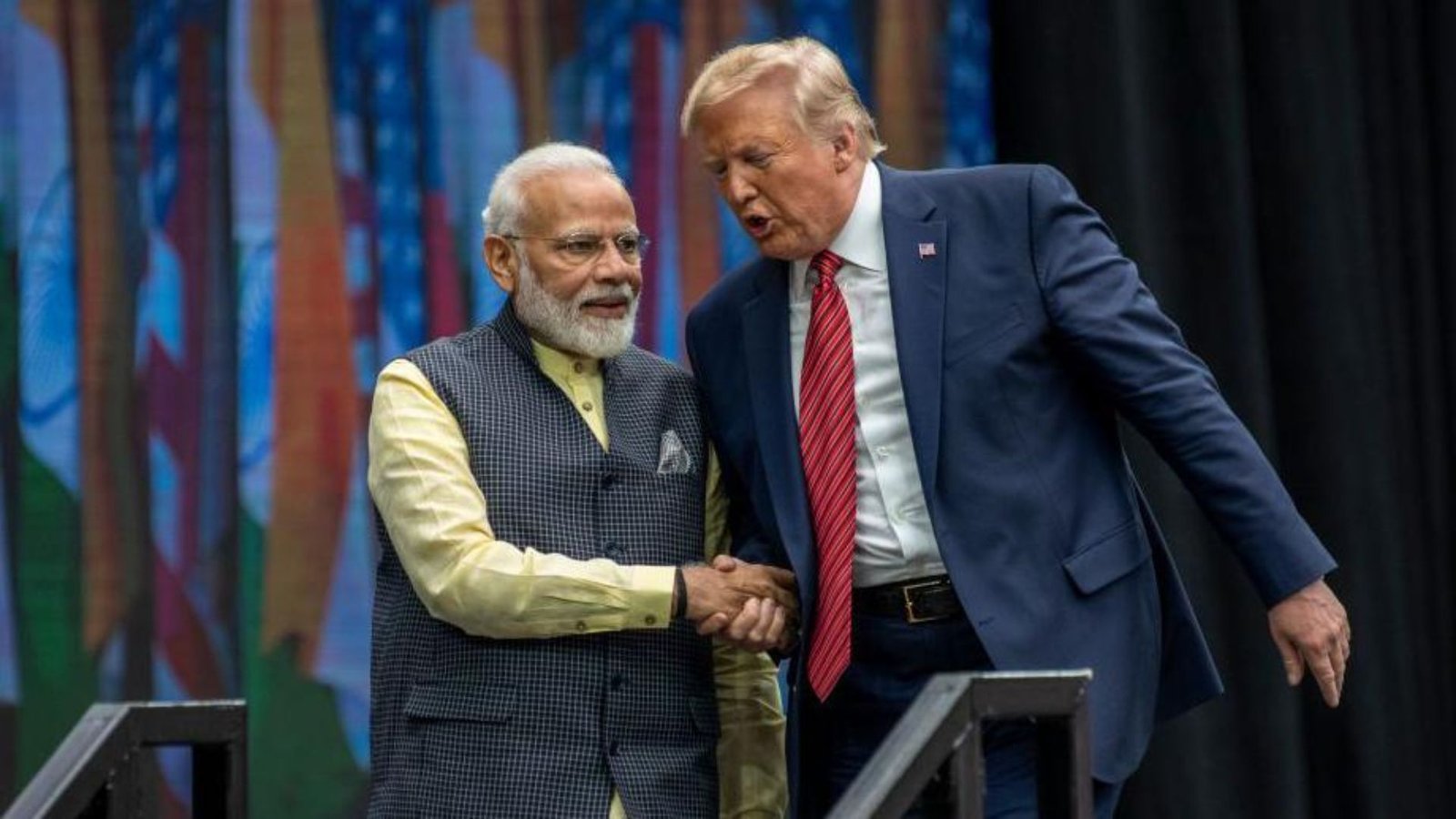
New Delhi has refuted claims originating from Washington that stalled trade negotiations between the United States and India were due to a lack of direct communication between Prime Minister Narendra Modi and former President Donald Trump. The assertion, reportedly made by former US Trade Representative Robert Lighthizer, has been firmly rejected by Indian officials, who argue that various channels of communication were consistently open and that the delays stemmed from differences in negotiating positions, not a personal diplomatic oversight.
According to the BBC’s reporting, Lighthizer suggested a phone call from Modi to Trump during the final stages of the Trump administration might have unlocked a limited trade deal that ultimately failed to materialize. This assertion implies that a personal outreach from the Indian Prime Minister was a necessary component for progress. However, sources within the Indian government have countered this narrative, stating that substantive discussions were ongoing through established diplomatic and trade channels.
Complex Negotiations Cited
Officials emphasize the intricacy of the trade issues at hand, encompassing tariffs on agricultural products, market access for pharmaceuticals, and intellectual property rights. These are longstanding points of contention, and reaching a consensus required numerous rounds of complex deliberations. They maintain that India was fully engaged in these negotiations and that the lack of a deal was a result of disagreements on key principles rather than a failure to connect personally with the previous US administration.
The reported comments from Lighthizer surfaced during a recent event discussing US trade policy. He framed the situation as a missed opportunity, suggesting that a direct conversation between the two leaders could have potentially bridged the gap. This interpretation has been met with resistance from those familiar with the Indian side of the negotiations, who view it as an attempt to oversimplify a multifaceted issue.
The stalled trade deal, while limited in scope, was significant as it represented an attempt to improve economic ties between the two major democracies. Both countries have expressed a desire to strengthen their relationship, but progress on trade has been hampered by persistent disagreements. The change in administration in the US has also contributed to the uncertainty, as the Biden administration has signaled a different approach to trade negotiations.
The current US Trade Representative, Katherine Tai, has been engaging with her Indian counterpart, Piyush Goyal, to explore potential avenues for resolving the outstanding issues. While no immediate breakthroughs are expected, both sides have conveyed a willingness to continue the dialogue. The Indian government maintains its commitment to a fair and mutually beneficial trade agreement, defending its position on protecting domestic industries and ensuring equitable access to markets.
This dispute highlights the often-sensitive nature of international trade negotiations. It also underscores the importance of understanding the complexities involved and avoiding overly simplistic explanations. The Indian government’s strong response indicates its determination to present an accurate account of the negotiations and defend its interests on the global stage. The focus now shifts to the ongoing discussions between the current administrations and their potential to finally unlock a trade agreement that serves the needs of both nations.
Image Source: Google | Image Credit: Respective Owner