Wordle, the popular daily word game created by Josh Wardle and now owned by The New York Times, continues to captivate players with its simple yet challenging gameplay. As of January 9, 2026, enthusiasts are eagerly seeking hints and strategies to maintain their winning streaks. The game’s appeal lies in its limited attempts – players have six tries to guess a five-letter word – forcing strategic thinking and vocabulary application.
Today’s puzzle, like all Wordle puzzles, presents a unique linguistic challenge. While the game itself doesn’t offer direct hints, the online community surrounding Wordle is rife with discussions, shared strategies, and, importantly, spoiler-free guidance. Many players begin by utilizing ‘starter words’ designed to reveal common vowels and consonants, such as ‘ADIEU’ or ‘AUDIO’. This initial guess can significantly narrow down the possibilities and provide a foundation for subsequent attempts.
Strategic Approaches to Wordle
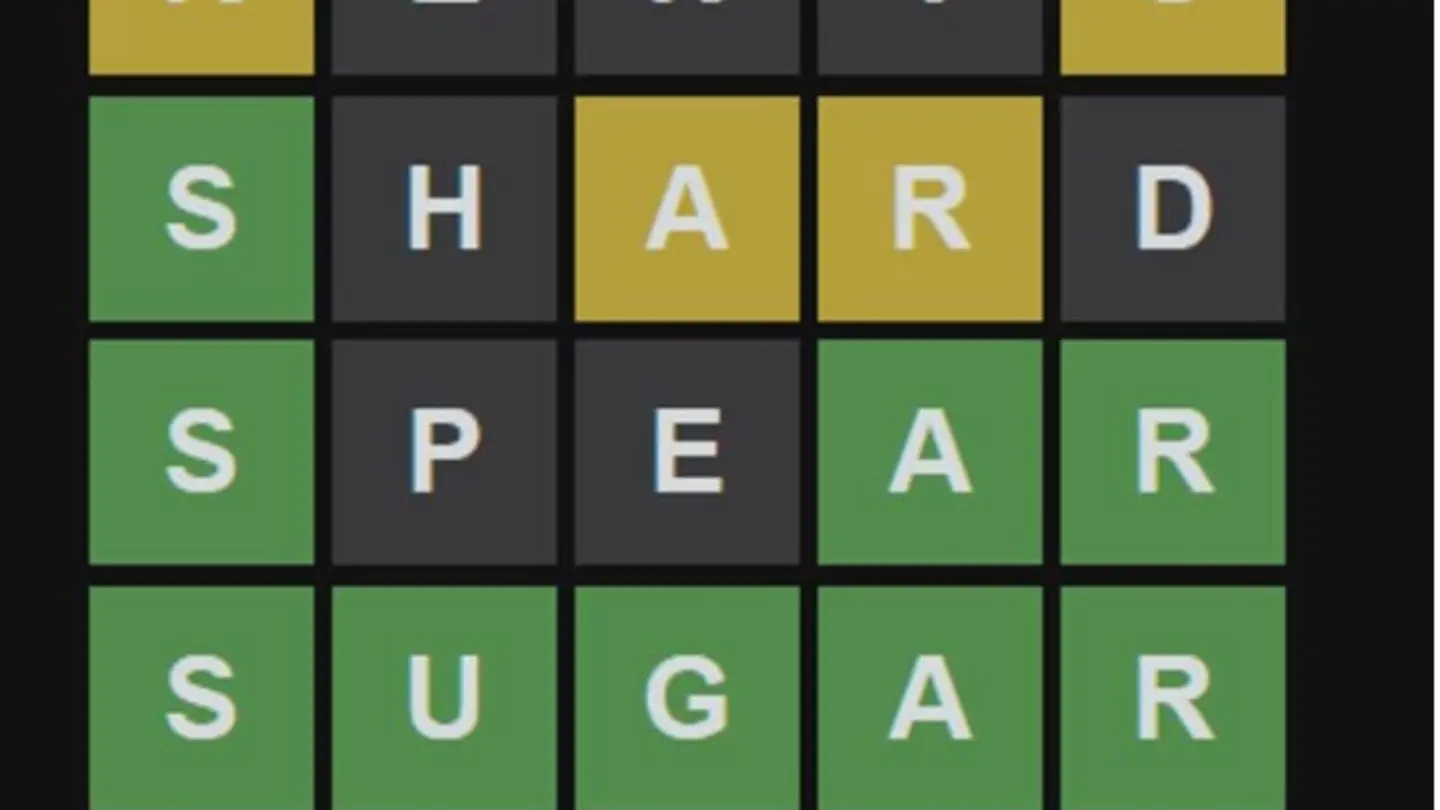
Beyond the initial guess, a key strategy involves analyzing the color-coded feedback. Grey letters indicate they are not present in the word, allowing players to eliminate them from future considerations. Yellow letters signify that the letter exists in the word but is currently in the wrong position. Green letters, naturally, confirm the correct letter and position.
Effective Wordle players carefully consider letter frequency and common word structures. Recognizing frequent consonant combinations and vowel patterns can greatly improve one’s odds. Furthermore, avoiding the reuse of greyed-out letters, and meticulously repositioning yellow letters are crucial. Some players also leverage external resources like online anagram solvers (used cautiously to avoid direct spoilers) to brainstorm potential words based on revealed letters.
The January 9, 2026 puzzle appears to be leaning on less common letter structures, prompting increased difficulty for many. Common pitfalls include focusing too heavily on frequently used five-letter words without adequate consideration for the revealed clues, or rigidly sticking to a single strategy even when it’s clearly not yielding results. The key is adaptability.
For those truly struggling, hints available online often steer clear of revealing the answer outright. Instead, they might offer clues about the word’s definition or its general category. It’s a fine balance for those wanting assistance without completely forfeiting the satisfaction of independent discovery.
Wordle’s enduring popularity demonstrates the public’s appetite for daily intellectual challenges. It fosters a shared experience, with players excitedly comparing results and strategizing on social media. The New York Times has maintained the game’s core integrity while also introducing features like the Wordle Bot, which analyzes gameplay and provides personalized feedback. Whether you’re a seasoned Wordle pro or a newcomer to the game, January 9, 2026, provides another opportunity to test your linguistic skills and engage with a vibrant online community. Remember to approach each guess thoughtfully, learn from the feedback, and don’t be afraid to explore unconventional possibilities. Good luck!
Image Source: Google | Image Credit: Respective Owner