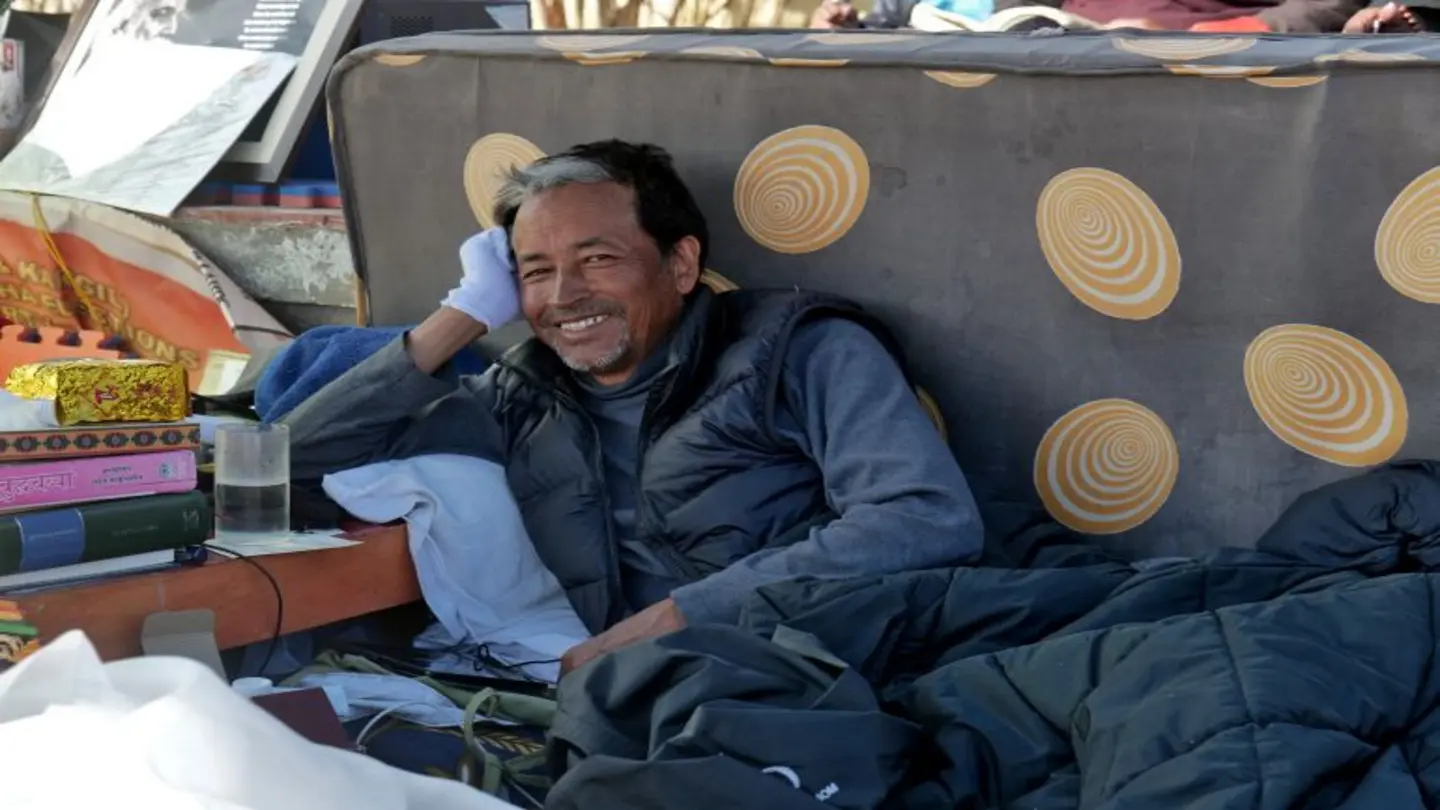
Educationist Sonam Wangchuk has told the Supreme Court that authorities deliberately suppressed his video messages appealing for peace in Ladakh, and that malice significantly influenced his recent detention. Appearing before the apex court, Wangchuk detailed his concerns regarding the administration’s actions, alleging a pattern of misrepresentation and biased treatment.
Wangchuk’s petition, heard by a bench of Justices B.R. Gavai and Sandeep Mehta, centers around his claim that the Ladakh administration misrepresented his peaceful climate-conscious movement, ‘#HimalayanGriot,’ as anti-national and disruptive. He specifically pointed to the blocking of his online communication, stating that his calls for dialogue and peaceful resolution were intentionally hidden from public view.
Allegations of Biased Detention
The educationist recounted his recent detention, highlighting what he believes were unfair and motivated grounds for the action. He argued that the administration portrayed his movement as a threat to national security, despite its core focus on environmental preservation and advocating for the inclusion of Ladakh in the Sixth Schedule of the Constitution to protect its unique identity and resources.
Wangchuk stated that the administration’s narrative was distorted to create a hostile environment for peaceful activists and dissenting voices. He alleged that authorities utilized manipulative tactics, including selectively highlighting portions of his speeches and circulating misleading information to paint a negative picture of his efforts. This, he claims, led to unwarranted scrutiny from investigative agencies and a climate of fear amongst his supporters.
He further emphasized that his movement sought to bring attention to the ecological fragility of the Himalayan region and the importance of sustainable development, issues he argued are squarely in the national interest. Wangchuk expressed concern that suppressing these voices would hinder constructive dialogue and exacerbate existing tensions in the region.
During the hearing, the court observed that Wangchuk’s concerns regarding the suppression of his messages were serious and warranted investigation. The bench acknowledged the importance of freedom of speech and expression, particularly in a democracy. The court has sought a detailed response from the Union Territory of Ladakh administration regarding the specific grounds for blocking Wangchuk’s videos and the justification for his detention.
The Supreme Court’s involvement underscores the sensitivity of the situation in Ladakh, where concerns over environmental degradation, cultural preservation, and political representation have been growing. Wangchuk’s allegations, if substantiated, could have significant implications for the administration’s approach to managing dissent and engaging with civil society organizations in the region. The next hearing is anticipated to delve deeper into the evidence presented by both sides.
The petition aims to protect the constitutional rights of citizens to peacefully advocate for their concerns and to ensure that the administration operates with transparency and fairness. Wangchuk seeks a thorough investigation into the alleged suppression of his messages and a review of the actions taken against him.
Image Source: Google | Image Credit: Respective Owner