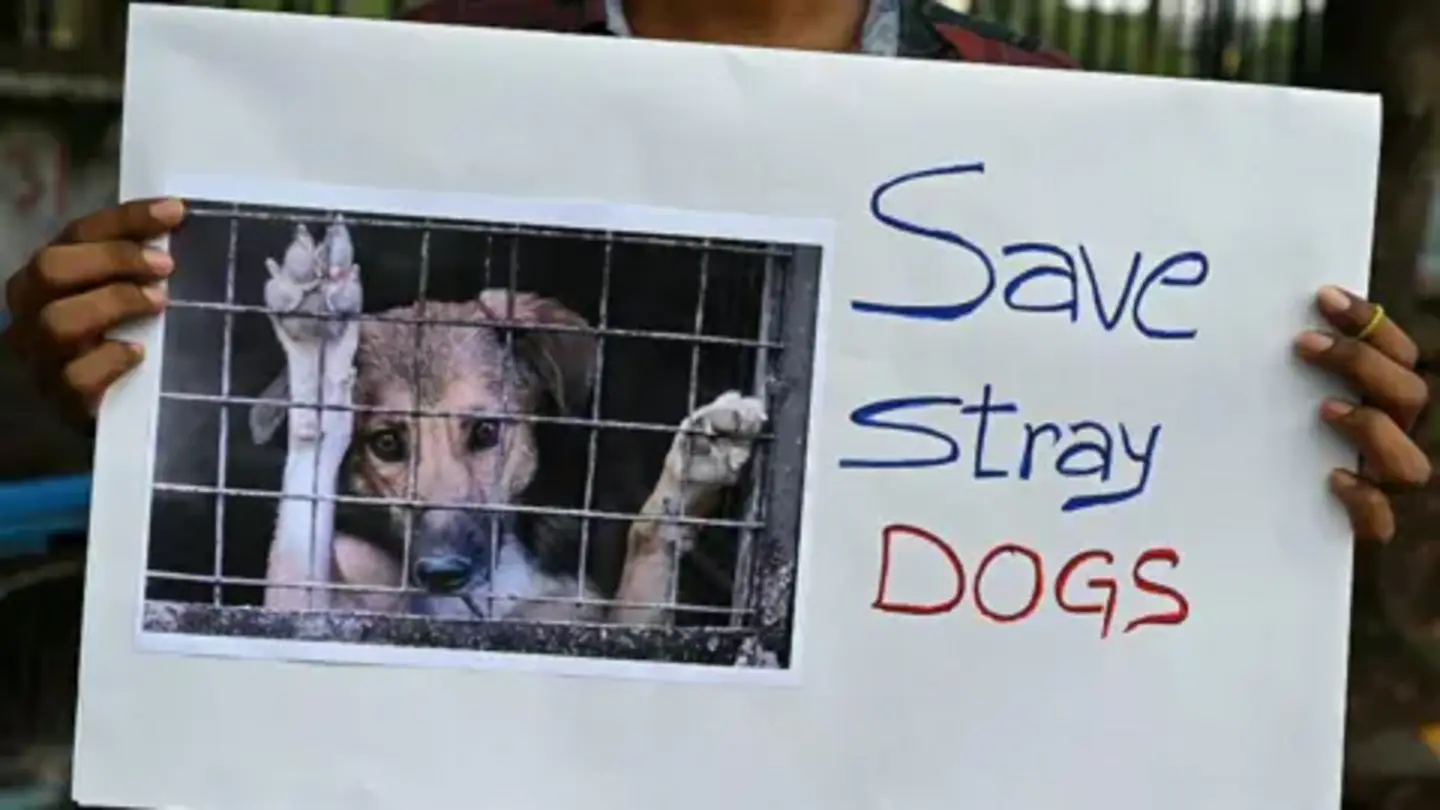
The Supreme Court of India recently voiced concerns regarding the increasing presence of stray dogs within the premises of public institutions like hospitals and schools. A bench comprising Justices Dipankar Datta and Ahanthem Bimol Haokip questioned the necessity of accommodating these animals in places meant for human activity, particularly highlighting the potential risk of dog bites.
The court was hearing a petition concerning attacks by stray dogs, particularly focusing on the issue of public safety. Justice Datta remarked, “Why are stray dogs needed in institutions? Can anyone identify which dog is in a mood to bite?” The observation underscored the core dilemma: balancing animal welfare with the safety of the public, especially vulnerable populations like patients and students.
The petitioner argued that the current regulations regarding stray dog management are inadequate and fail to effectively address the rising number of dog bite incidents. Existing rules, often framed around the Animal Birth Control (ABC) – Rabies Vaccination (ARV) program, emphasize sterilization and vaccination as primary methods of population control. However, the petitioners assert this approach hasn’t sufficiently curbed the problem and that more decisive action is needed to prevent attacks.
During the proceedings, the court questioned the practicality of identifying and segregating potentially aggressive dogs. The logistics of determining a dog’s “mood” and safely managing those posing a threat became a central point of discussion. The judges also explored the possibility of establishing designated areas for stray animals, away from areas frequently used by the public.
The All India Jurists Association, appearing as a party in the case, suggested creating more shelters for stray dogs. However, the court acknowledged the difficulties and associated costs of establishing and maintaining adequate facilities to house a large number of stray animals. The judges asked the concerned authorities to provide insights into the steps already taken and propose further measures to mitigate the risk of dog bites.
The Court sought details on the status of ABC-ARV programs, their effectiveness, and the funding and infrastructural support available for their implementation. It has also requested data on the number of dog bite incidents reported from various institutional settings, aiming to assess the extent of the problem across the country.
The Core of the Debate
The case highlights a larger and ongoing debate about the rights of animals versus the safety of humans. While animal welfare organizations advocate for humane treatment and responsible population control, concerns regarding public health and safety remain paramount. The Supreme Court’s intervention underscores the urgency of finding a practical and effective solution that addresses both perspectives.
The court scheduled a follow-up hearing to allow the authorities time to prepare a comprehensive response addressing the issues raised and outlining a concrete plan of action. The directives from the Supreme Court are expected to have significant implications for the management of stray dogs in public spaces, particularly within the sensitive environments of healthcare facilities and educational institutions.
Image Source: Google | Image Credit: Respective Owner