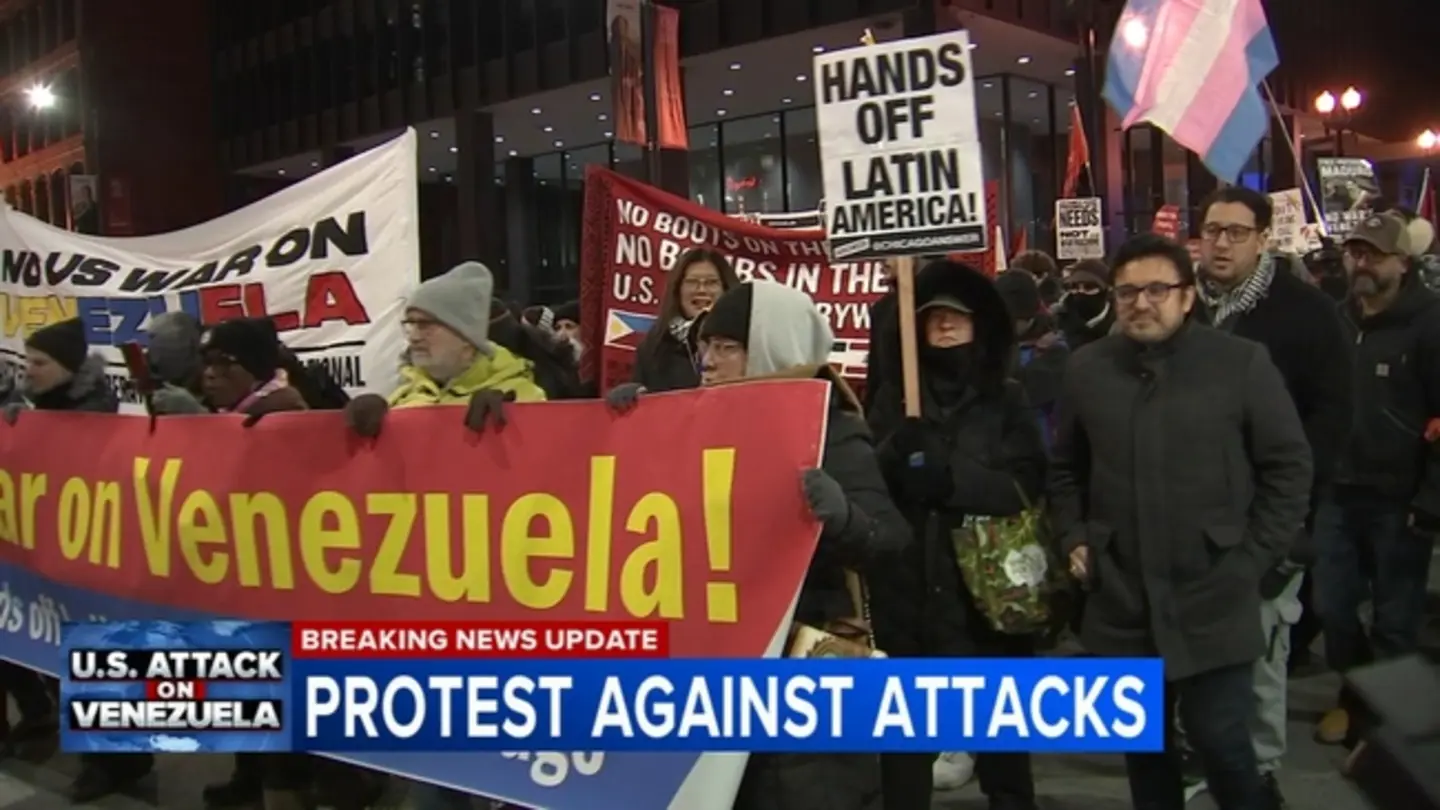
The recent US raid targeting alleged financiers of the Venezuelan government, specifically those linked to Maduro’s regime, has sparked a wide range of reactions from people in Venezuela and neighboring countries heavily impacted by the ongoing crisis. The Guardian reports that responses vary from a cautious sense of hope to deep-seated anxiety about potential repercussions, and accusations of further destabilization of the region. Unlike prior sanctions which have been largely economic, this operation represents a more direct, law enforcement-based intervention by the United States.
Many Venezuelans, particularly those who have fled the country due to the economic and political turmoil, see the move as potentially disrupting the financial networks that sustain the Maduro government. They hope it will accelerate a transition to democracy, though skepticism remains high given the history of US involvement in Latin America. Some express concern that arresting or sanctioning individuals won’t address the root causes of the crisis – namely, widespread corruption, human rights abuses, and economic mismanagement.
Impact on Regional Stability
Beyond Venezuela, neighboring countries like Colombia, Brazil, and Peru, which have absorbed millions of Venezuelan migrants, are closely watching the situation. There are worries that a crackdown on alleged government financiers could further exacerbate the crisis, leading to an even greater influx of refugees. Additionally, some analysts fear that the raid could be perceived as an act of aggression, potentially fueling regional tensions. Colombia, in particular, has a complex relationship with both the US and Venezuela, and is trying to navigate a path of neutrality whilst dealing with the significant strain of housing Venezuelan migrants.
The raid itself involved multiple arrests and the disruption of what US officials describe as a complex network used to bypass sanctions and profit from illicit gold mining. This points to the broader struggle against illegal mining, a significant source of revenue for armed groups and the Maduro government alike. However, critics argue that this type of intervention often punishes ordinary Venezuelans rather than the elite who benefit from the system. It reinforces the perception that actions are driven by political objectives rather than genuine concern for the welfare of the population.
There are differing views even within the Venezuelan diaspora community. While some actively support stronger intervention against the Maduro regime, others advocate for a more diplomatic approach, emphasizing the need for dialogue and humanitarian aid. The dominant feeling, however, appears to be one of uncertainty. Years of hardship have left many Venezuelans wary of quick fixes or external interventions, knowing the potential for unintended consequences. The effectiveness of this raid, therefore, hinges not only on its immediate impact but also on how it’s perceived and responded to by the Venezuelan government and the international community.
The Guardian’s reporting highlights a lack of clear communication regarding the long-term goals of the US intervention, which contributes towards this general uneasiness. Without a comprehensive strategy that addresses the underlying issues and considers the humanitarian consequences, the raid risks becoming another chapter in Venezuela’s protracted crisis, prolonging suffering and perpetuating instability.
Image Source: Google | Image Credit: Respective Owner