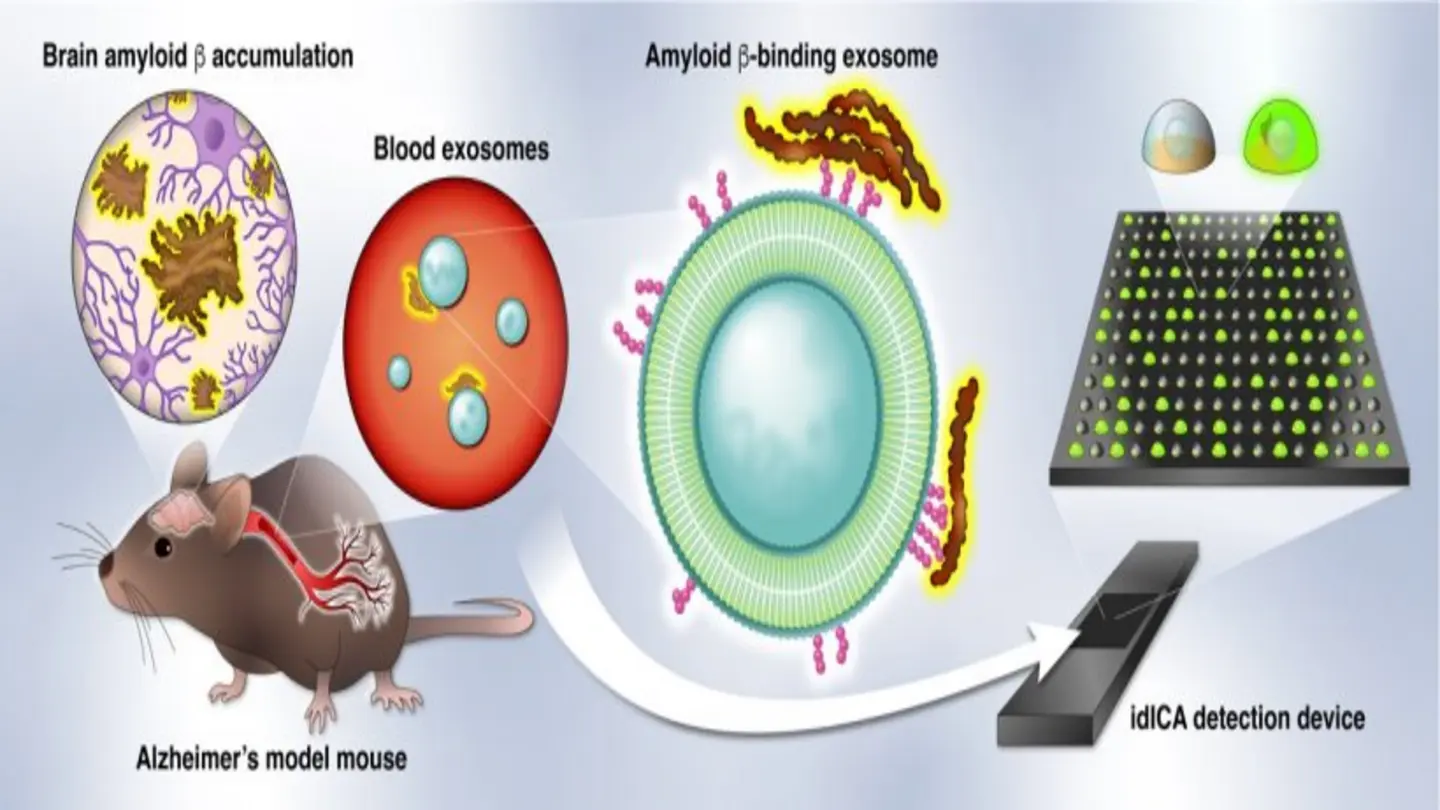
A new, less invasive test for Alzheimer’s disease is showing significant promise, utilizing a simple finger-prick blood sample. Developed through research funded by the National Institute for Health and Care Research (NIHR), this test represents a major step forward in the early and accurate detection of the debilitating condition.
Currently, diagnosing Alzheimer’s often relies on expensive and invasive methods like PET scans, which can cost upwards of £2,000 per scan, or spinal fluid analysis. These procedures also aren’t readily accessible, limiting testing options for many individuals, especially in the early stages of the disease when intervention is most effective.
The innovative blood test focuses on detecting a specific form of the protein tau, known as p-tau-217. Researchers have found that elevated levels of this protein in the blood correlate strongly with the presence of amyloid plaques and tau tangles – the hallmark brain changes associated with Alzheimer’s – detected through more established but burdensome methods.
The study, involving over 1,400 participants, demonstrated high accuracy in identifying individuals with Alzheimer’s and distinguishing them from those with other neurodegenerative conditions. Crucially, the findings suggest the blood test can perform comparably to PET scans, offering a potentially transformative alternative.
Implications for Early Detection and Treatment
The ability to detect Alzheimer’s with a simple blood test has enormous implications. Early detection is crucial as it allows for timely intervention, potentially slowing the disease’s progression and improving the quality of life for those affected. More individuals would be able to access diagnostic testing, widening the scope of early identification.
Furthermore, the test could dramatically accelerate clinical trials for new Alzheimer’s treatments. Currently, identifying and recruiting suitable participants for trials is slow and costly. A readily available blood test would streamline this process, helping researchers bring potentially life-changing therapies to market more quickly.
Professor Susan Kohlhaas, Director of Research at Alzheimer’s Research UK, hailed the development as “a significant step”, noting the test’s potential to revolutionize how Alzheimer’s is diagnosed and treated. The researchers emphasize this blood test isn’t intended for self-diagnosis but is a tool for medical professionals.
While the test shows great promise, it’s still under development and requires further validation in larger and more diverse populations. The next steps involve refining the test and preparing for potential rollout within the National Health Service (NHS) in the UK. If successful, this innovation could offer hope for a future where Alzheimer’s is detected earlier, managed more effectively, and perhaps even prevented.
The research team continues to investigate the test’s efficacy in identifying individuals at risk of developing Alzheimer’s before symptoms even appear, a possibility that would open new avenues for preventative strategies.
Image Source: Google | Image Credit: Respective Owner