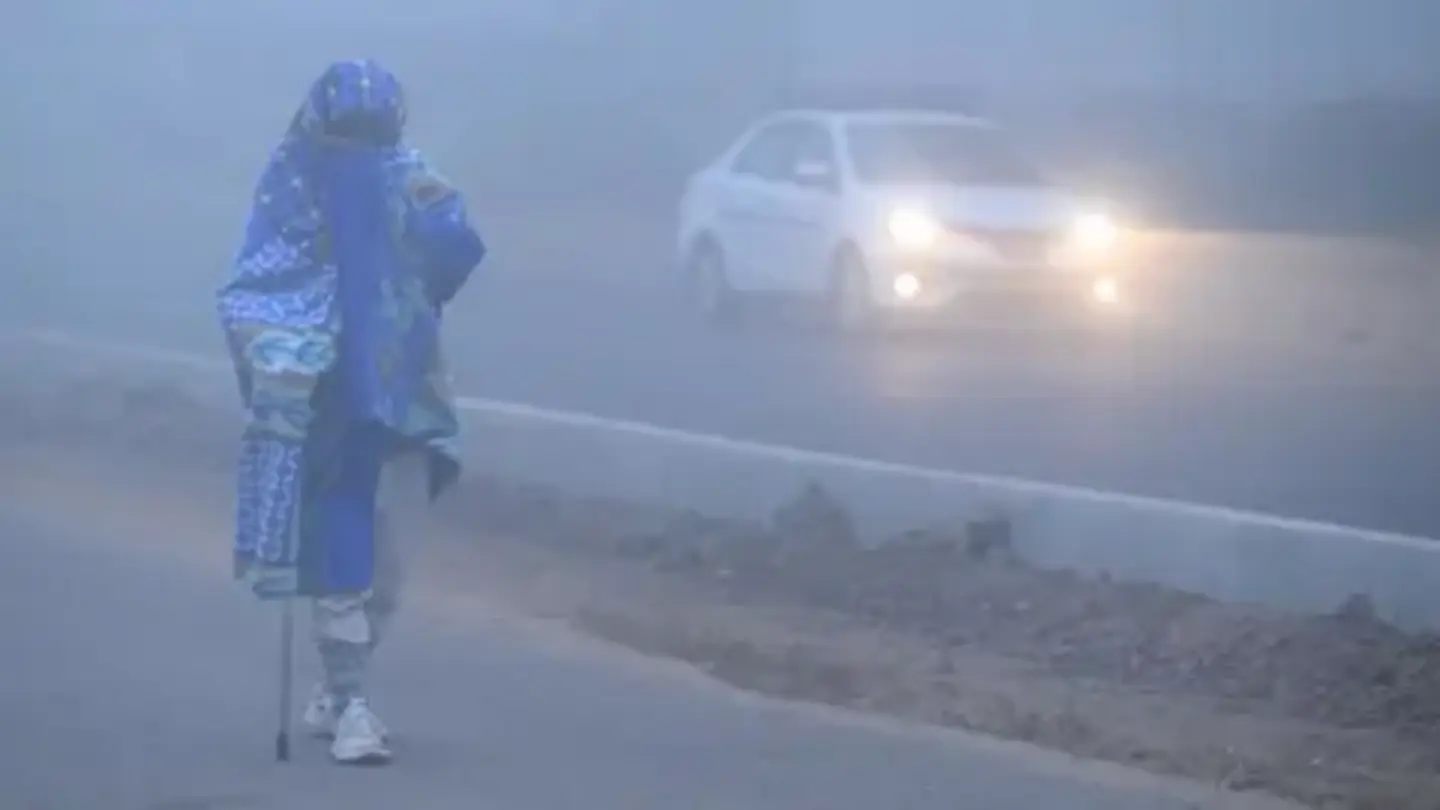
New Delhi – The India Meteorological Department (IMD) has issued a cold wave warning for several states across north and central India, with conditions expected to worsen in the coming days. Punjab, Haryana, Rajasthan, and parts of Uttar Pradesh are among the regions bracing for significantly low temperatures, posing risks to public health and daily life. The alert follows a recent dip in temperatures, with several areas recording minimum temperatures several degrees below normal.
The IMD forecasts that cold day and cold wave conditions will likely prevail over these regions for the next few days, exacerbated by dry northwesterly winds. These winds are drawing in frigid air from the Himalayas, leading to a rapid decrease in temperatures across the plains. Visibility is also expected to be reduced in many areas due to fog, potentially disrupting transportation networks, including road and air travel.
Impact and Precautions
Authorities are advising residents in affected states to take necessary precautions to protect themselves from the severe cold. These recommendations include staying indoors during peak cold hours, dressing in multiple layers of warm clothing, and consuming hot food and beverages. Vulnerable populations, such as the elderly and young children, are particularly susceptible to the effects of the cold wave and are urged to take extra care. Farmers have also been warned about potential damage to standing crops due to the freezing temperatures.
Several cities in Punjab and Haryana have already experienced near-freezing conditions, with minimum temperatures hovering around 2-4 degrees Celsius. Rajasthan is similarly affected, with nighttime temperatures plummeting in districts like Jaipur, Jodhpur, and Udaipur. Uttar Pradesh is expecting a gradual decrease in temperatures, with cold wave conditions likely to develop over the next 24-48 hours.
The IMD’s warning extends beyond the immediate health risks, also highlighting the potential for disruptions to power supply and water pipelines due to the freezing weather. State governments have been advised to ensure adequate preparedness to handle any such emergencies, including providing shelter for the homeless and ensuring the availability of medical facilities.
Meteorological officials attribute the current cold wave to a prolonged period of clear skies and weak western disturbances. This allows cold air to accumulate over the region, leading to the sharp drop in temperatures. While the IMD anticipates some relief after a few days with the potential arrival of a fresh western disturbance, the overall cold spell is expected to last for at least a week.
The current situation underscores the increasing vulnerability of India to extreme weather events, even amidst concerns about long-term climate change. Effective disaster management strategies and early warning systems are crucial in mitigating the impact of such events on the population and the economy. Updates regarding the cold wave are being provided regularly by the IMD and state meteorological departments.
Image Source: Google | Image Credit: Respective Owner