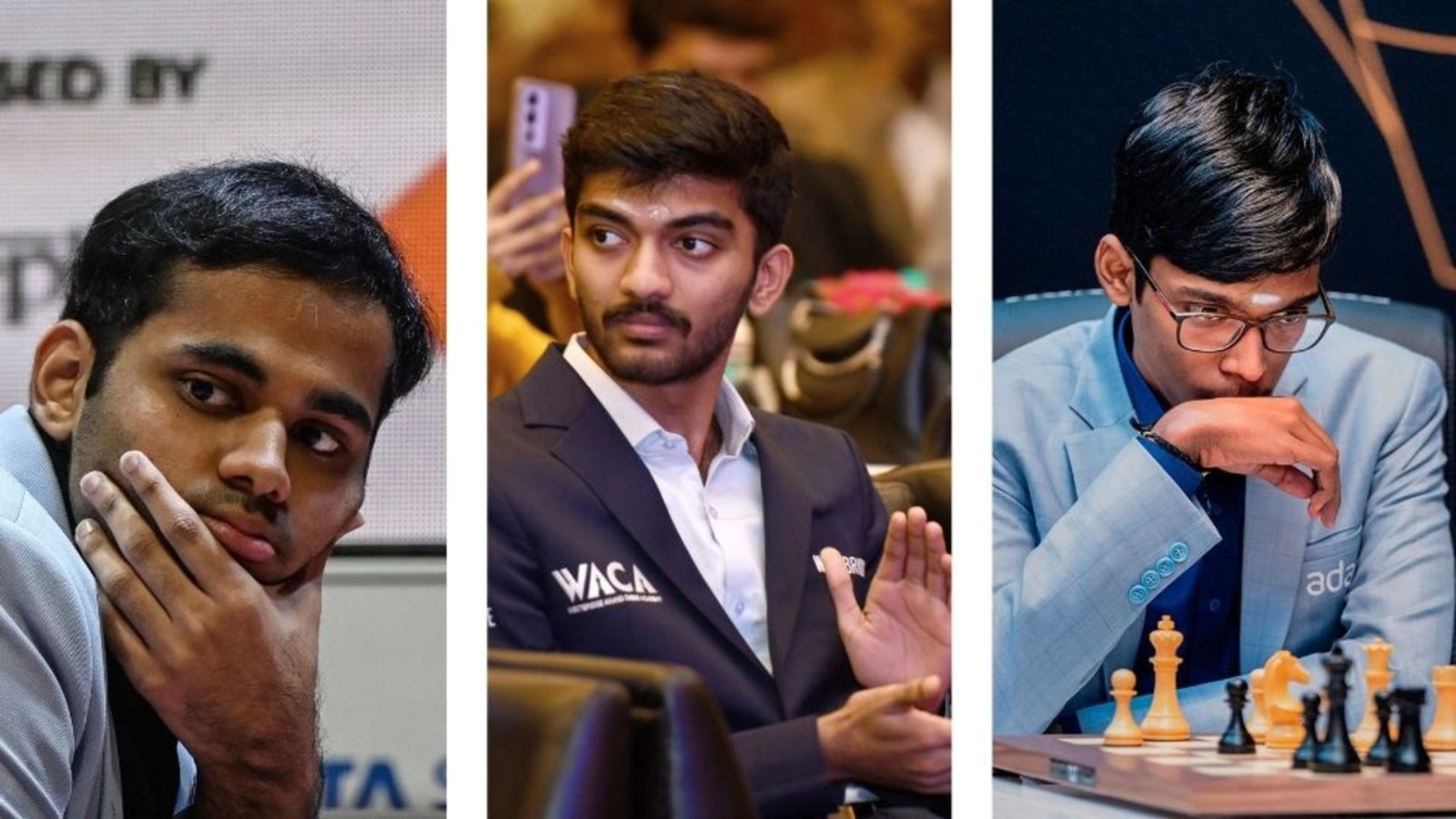
A little-known chess tournament held in the Netherlands in 1938, on the brink of World War II, has emerged as a surprising source of inspiration for India’s unique Super Rapid and Blitz chess formats. The ‘AVRO’ tournament, featuring some of the era’s greatest players – including Mikhail Botvinnik, Paul Keres, and Samuel Reshevsky – inadvertently laid the groundwork for a faster, more dynamic style of chess now championed in India.
The story, uncovered by detailed research into historical chess events, reveals that the AVRO tournament was notable for its time control: 30 moves in one hour, followed by nine moves in 30 minutes, and then a single move in a mere five minutes. This relatively fast pace, while common for the late 1930s, presented a fascinating challenge to the players, forcing them to rely on instinct and rapid calculation. It’s this concept of accelerated gameplay that echoes in the creation of India’s Super Rapid and Blitz chess events.
According to the report, the then All India Chess Federation (AICF) was searching for ways to popularize chess beyond the traditional, longer time control formats. Remembering the exciting, quick-fire games of the AVRO tournament (through records and reports that persisted), Indian chess officials experimented with even faster time controls to create a more spectacle-driven format. They wanted to broaden the appeal of the game, attracting a larger audience and creating opportunities for more players to participate.
The Birth of Indian Speed Chess
The initial experiments led to the development of Blitz chess, with time controls of around 5-10 minutes per player. But the real breakthrough came with the introduction of Super Rapid, featuring even shorter durations – as little as 3 minutes plus 2 seconds increment. This format intentionally amplified the pressure and tactical complexities, prioritizing quick thinking and decisive action. The Indian formats quickly gained popularity, particularly amongst younger players, and have become a significant part of the national chess calendar.
The influence isn’t merely structural. The spirit of innovation fostered by the AVRO tournament – a willingness to challenge conventions and explore new possibilities – is also seen as a driving force behind the embrace of these quicker formats in India. The Indian chess community, historically known for its strategic depth, recognized the value of adding an element of thrilling unpredictability to attract new enthusiasts and showcase the game’s dynamism.
While the connection might seem tenuous, the historical lineage highlights the subtle ways in which past events can shape the present. The AVRO tournament, a product of its time and overshadowed by the looming war, indirectly contributed to the forging of a unique and vibrant chess culture in India. It demonstrates how even seemingly isolated moments in the history of the game can have ripple effects, inspiring new approaches and ultimately enriching the world of chess. The success of the Indian formats is a testament to the enduring appeal of fast-paced competitive chess, a legacy that began nearly a century ago in a Dutch tournament hall.
The ongoing development of these formats showcases India’s commitment to cultivating a broad-based chess community, appealing to both seasoned professionals and casual players. They represent a departure from purely classical chess, providing a fast-paced, exciting alternative that promises to keep growing in popularity in the years to come.
Image Source: Google | Image Credit: Respective Owner