The evolution of bipedalism – the ability to walk upright on two legs – is a defining characteristic of the human lineage, yet the precise origins and early stages of this adaptation remain a subject of intense scientific inquiry. Recent fossil discoveries and advanced analyses are challenging long-held assumptions and offering a more nuanced understanding of how and why our ancient relatives first stood tall. For decades, the narrative largely focused on a savanna hypothesis, suggesting that walking upright evolved as a response to the changing landscape in Africa, providing advantages for spotting predators and carrying objects across open grasslands.
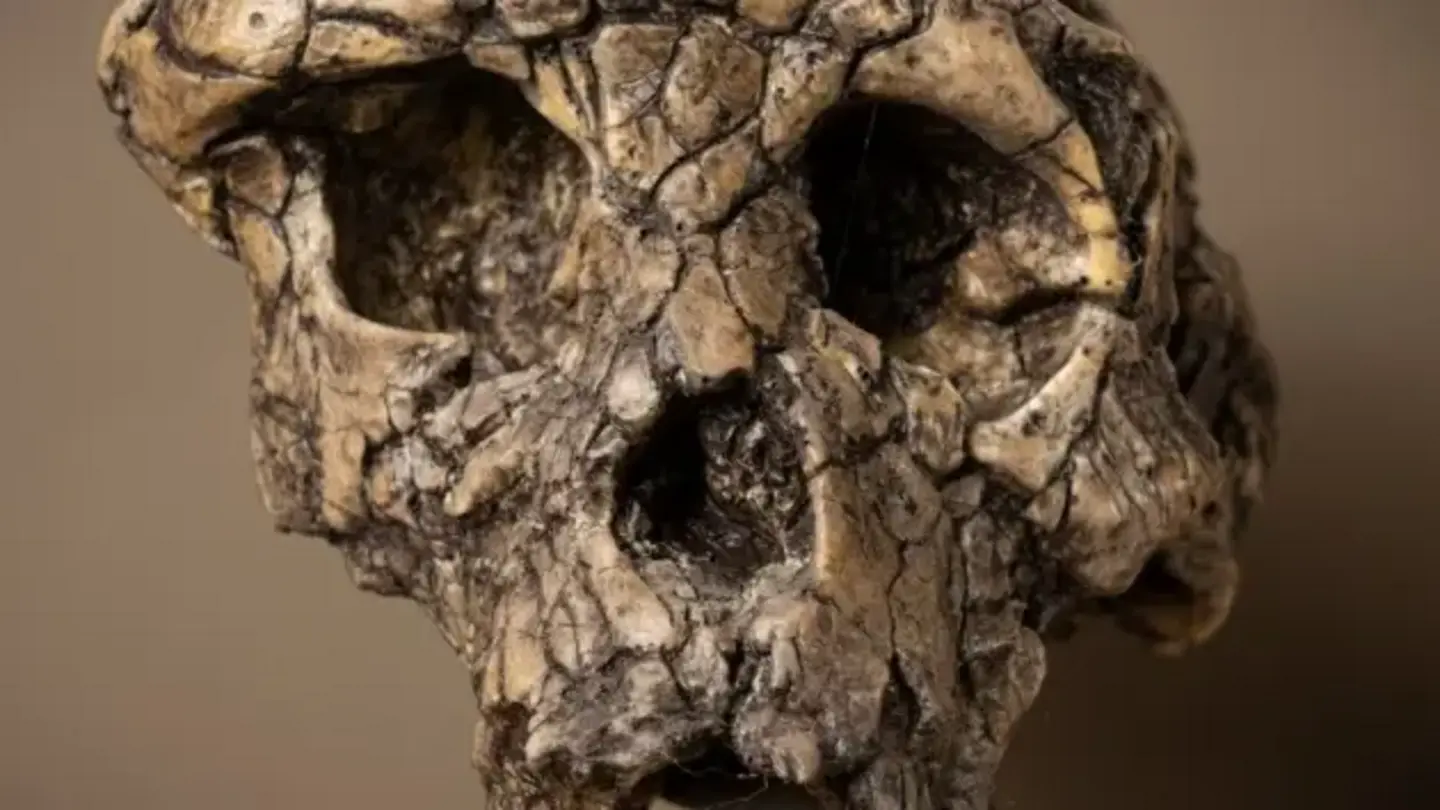
However, the fossil record tells a more complex story. The oldest evidence of hominin bipedalism comes from Sahelanthropus tchadensis, discovered in Chad, dating back roughly 7 million years. This finding, predating the previously accepted earliest evidence, pushes back the origins of upright walking to a time when Africa was likely more forested than previously imagined. Further discoveries of Orrorin tugenensis in Kenya, around 6 million years old, present similar evidence, suggesting early hominins were navigating wooded environments on two legs.
Research examining the femur of Ardipithecus ramidus, nicknamed “Ardi,” which lived around 4.4 million years ago in Ethiopia, revealed a unique combination of adaptations. While clearly bipedal, Ardi also possessed features indicating significant arboreal locomotion – climbing trees. This suggests that early bipedalism wasn’t a linear progression towards the fully terrestrial gait of modern humans, but rather a more mosaic evolution, combining upright walking with tree-climbing skills.
Shifting Perspectives on Bipedalism
The current scientific consensus largely favors a more multifaceted explanation for the emergence of bipedalism. Factors potentially involved include energy efficiency, thermoregulation (reducing heat exposure), freeing the hands for tool use and foraging, and even display behaviors – using upright posture to appear more imposing to potential mates or rivals. It’s likely that a combination of these pressures, varying in importance at different times and in different environments, drove the evolution of upright walking.
New analysis techniques, such as virtual reconstruction of fossil skeletons and biomechanical modeling, are also providing valuable insights. These methods allow researchers to simulate how ancient hominins walked and moved, testing hypotheses about the functional significance of different anatomical features. The discovery of footprints preserved in ancient volcanic ash, like those at Laetoli in Tanzania (dating back 3.6 million years), offers direct evidence of bipedal gait and further support for the early appearance of this trait.
The story isn’t over. Ongoing excavations in Africa continue to unearth new fossils that promise to fill in gaps in our understanding. Future research will likely focus on uncovering more complete skeletons of early hominins and applying sophisticated analytical tools to decipher the complexities of their locomotion. Ultimately, understanding the evolution of bipedalism is crucial for unraveling the broader story of what it means to be human, and how our ancestors transitioned from ape-like creatures to the upright, intelligent beings we are today. The latest findings firmly establish that this transition was a long, intricate process, shaped by a constant interplay between environment, behavior, and anatomy.
Image Source: Google | Image Credit: Respective Owner