Researchers have identified a pathway to potentially restore the self-healing capabilities of aging guts, a breakthrough published in the journal Nature Aging. The study, conducted by a team at the University of Pennsylvania, sheds light on the declining regenerative capacity of the intestinal lining with age, a process linked to various health issues.
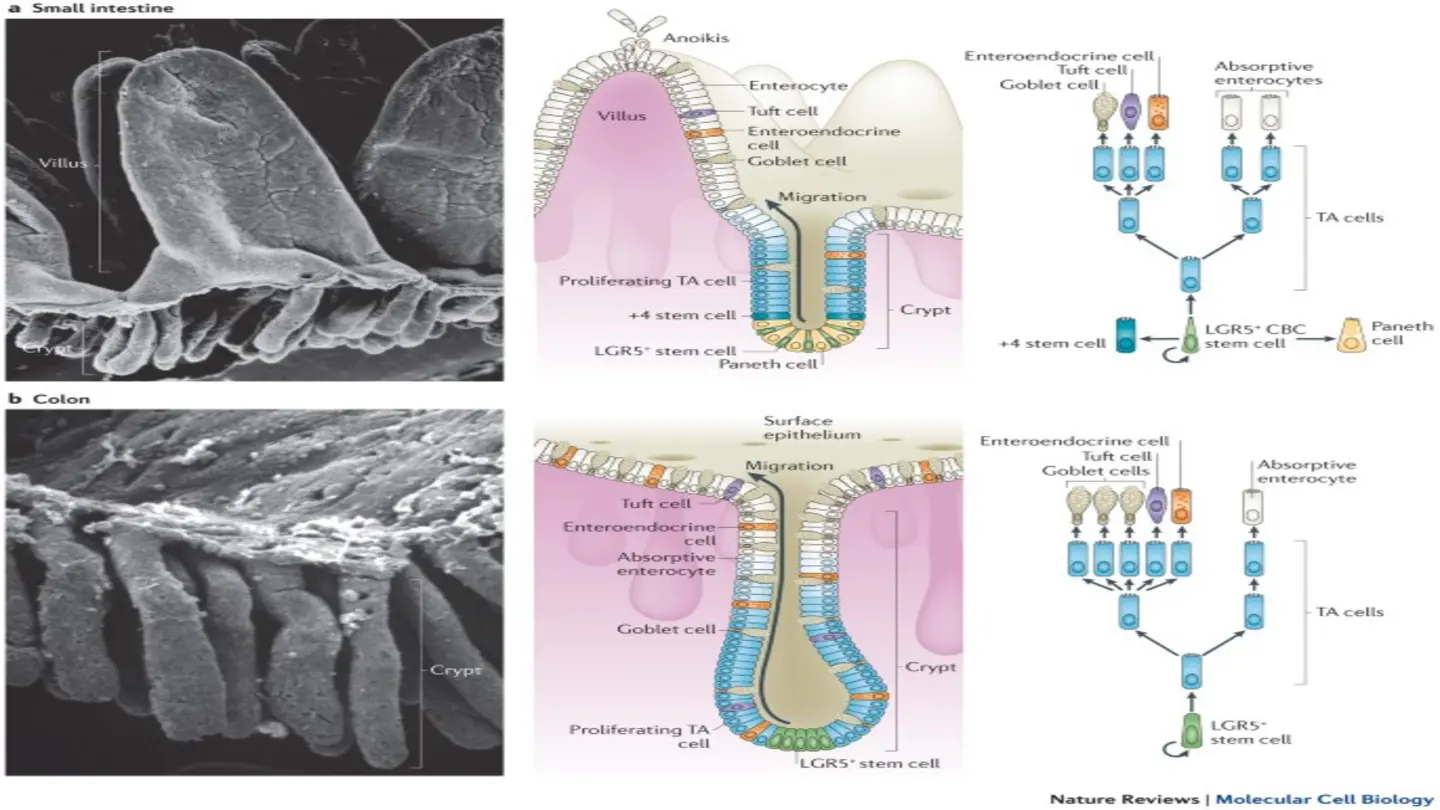
The intestinal lining, crucial for nutrient absorption and protection against harmful bacteria, constantly renews itself. However, this process slows significantly as we age, contributing to conditions like inflammatory bowel disease and increased susceptibility to infection. Existing treatments primarily focus on managing symptoms rather than addressing the underlying issue of impaired tissue repair.
Key Findings and the Role of LIN28b
The research pinpointed a molecule called LIN28b as central to this age-related decline. LIN28b levels naturally decrease in the gut with age. Scientists discovered that restoring LIN28b in older mice prompted their intestinal lining to regenerate at a rate comparable to that of young, healthy mice. This rejuvenation was observed across several key markers of gut health, including increased production of cells responsible for repair.
Dr. Valter Longo, a co-author of the study, explained that while previous research indicated gut regeneration diminishes with age, the identification of LIN28b provides a specific target for intervention. The team found that by boosting LIN28b levels, they could essentially “reset” the regenerative clock in the gut.
The experiments involved genetically modifying the mice to increase LIN28b expression in intestinal stem cells. Compared to control groups, the older mice with enhanced LIN28b demonstrated significantly improved gut barrier function, reduced inflammation, and a greater ability to recover from intestinal injuries. Notably, the intervention didn’t appear to have adverse effects on other organs or systems.
The researchers believe that LIN28b regulates the balance between intestinal stem cell self-renewal and differentiation. As levels decline with age, stem cells become less efficient at replacing damaged cells and more prone to remaining in a quiescent state.
While the study was conducted on mice, the findings have significant implications for human health. The human gut also expresses LIN28b, and its levels are similarly correlated with age. This suggests that developing strategies to safely elevate LIN28b in humans could offer a novel therapeutic approach for age-related gut dysfunction.
The next steps involve exploring potential drug candidates or other interventions that can effectively boost LIN28b levels in the human gut. Researchers are cautious, emphasizing the need for further studies to fully understand the long-term effects and optimal dosage. However, the discovery offers a promising avenue for maintaining gut health and preventing age-related digestive diseases.
The study was funded by the National Institutes of Health and the American Federation for Aging Research. Full details can be found in the latest edition of Nature Aging.
Image Source: Google | Image Credit: Respective Owner