As 2025 draws to a close, the scientific community reflects on a year marked by significant advancements across various disciplines. From ambitious space exploration endeavors to groundbreaking developments in biotechnology and artificial intelligence, several stories stand out as shaping our understanding of the universe and our place within it. This year saw not only continued progress on established frontiers but also unexpected discoveries that promise to redefine future research.
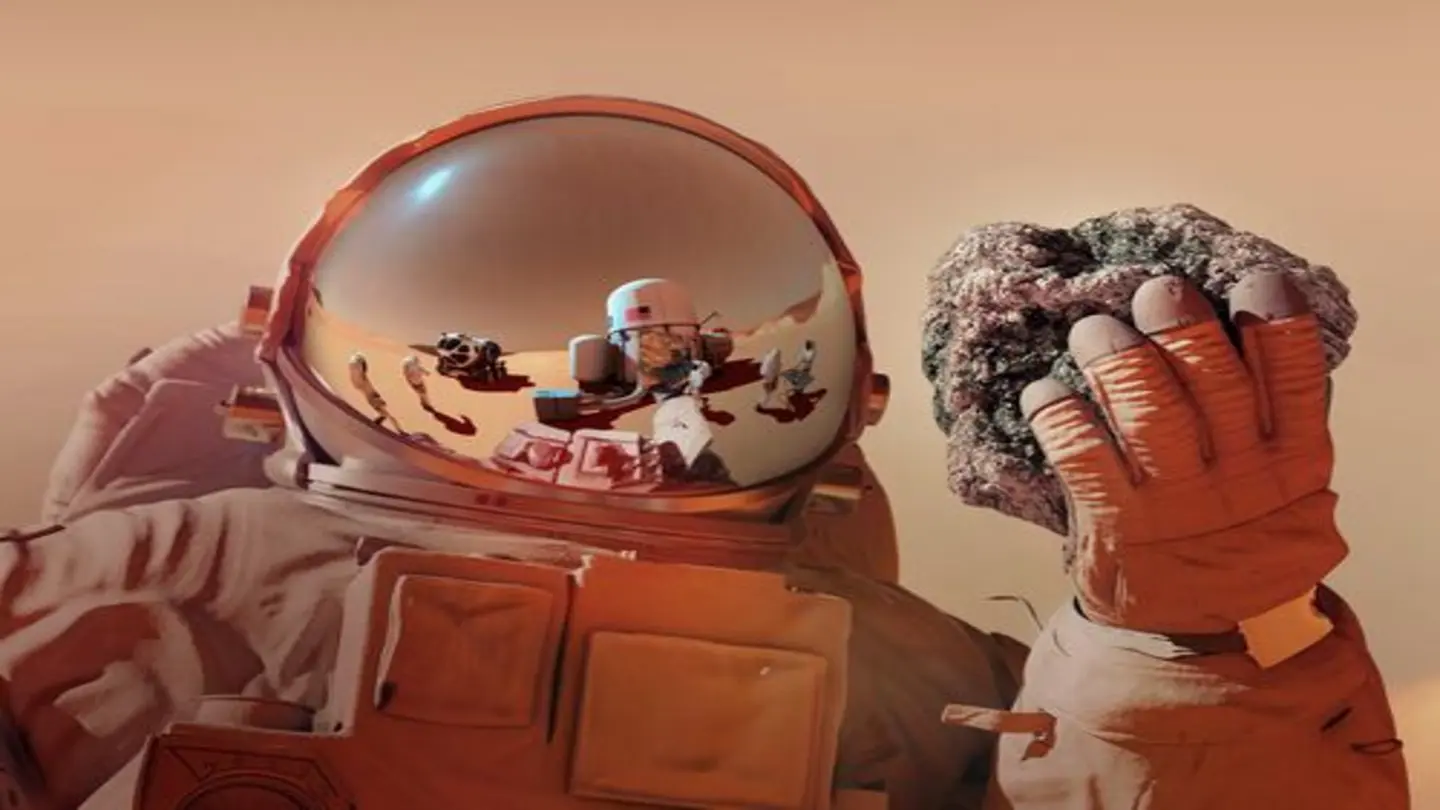
One of the most prominent narratives remains the ongoing missions to Mars. Initial data analyzed from samples collected by the Perseverance rover revealed compelling evidence of ancient microbial life, although definitive confirmation is still pending. This finding has fueled renewed interest in the possibility of life beyond Earth. Concurrently, preparations for a crewed mission to Mars, scheduled for the early 2030s, entered a crucial phase, with extensive testing of habitat modules and life support systems taking place in simulated Martian environments.
In the realm of biotechnology, CRISPR gene editing technology continued its rapid evolution. Researchers achieved unprecedented precision in correcting genetic defects responsible for inherited diseases like cystic fibrosis and sickle cell anemia during human trials. While ethical considerations surrounding gene editing remain paramount, the potential to eradicate these debilitating conditions offers a profound hope for millions. Furthermore, advancements in mRNA vaccine technology, proven effective during the recent pandemic, ushered in a new era of preventative medicine applicable to a wider range of diseases, including certain cancers.
Artificial Intelligence and Quantum Computing
Artificial intelligence witnessed breakthroughs that blurred the lines between human and machine capabilities. New AI models demonstrated sophisticated reasoning and problem-solving skills, exceeding previous benchmarks in areas such as natural language processing and image recognition. The development of increasingly powerful and efficient quantum computers also gained momentum. Although still in its nascent stages, quantum computing holds the promise of revolutionizing fields like drug discovery, materials science, and cryptography.
Climate science delivered increasingly stark warnings, but also highlighted innovative solutions. A major international study confirmed that the rate of global warming is accelerating, emphasizing the urgent need for drastic emissions reductions. On a more positive note, significant progress was made in carbon capture and storage technologies, offering a potential pathway to mitigate the effects of climate change. Researchers also unveiled new, more efficient solar panels and wind turbines.
The deep sea remained a source of fascination and discovery. Exploration of previously uncharted hydrothermal vents revealed unique ecosystems teeming with novel species adapted to extreme conditions. These findings provide valuable insights into the origins of life and the potential for biodiversity in the vast unexplored depths of the ocean. Continued investment into advanced subsea robotics and mapping technologies is expected to further unlock the mysteries of the deep.
Finally, the field of materials science experienced a surge in activity, driven by the demand for sustainable and high-performance materials. Researchers developed groundbreaking new alloys and composites with exceptional strength, durability, and resistance to corrosion. These materials are poised to play a pivotal role in the construction of more efficient infrastructure and the development of advanced technologies.
Image Source: Google | Image Credit: Respective Owner