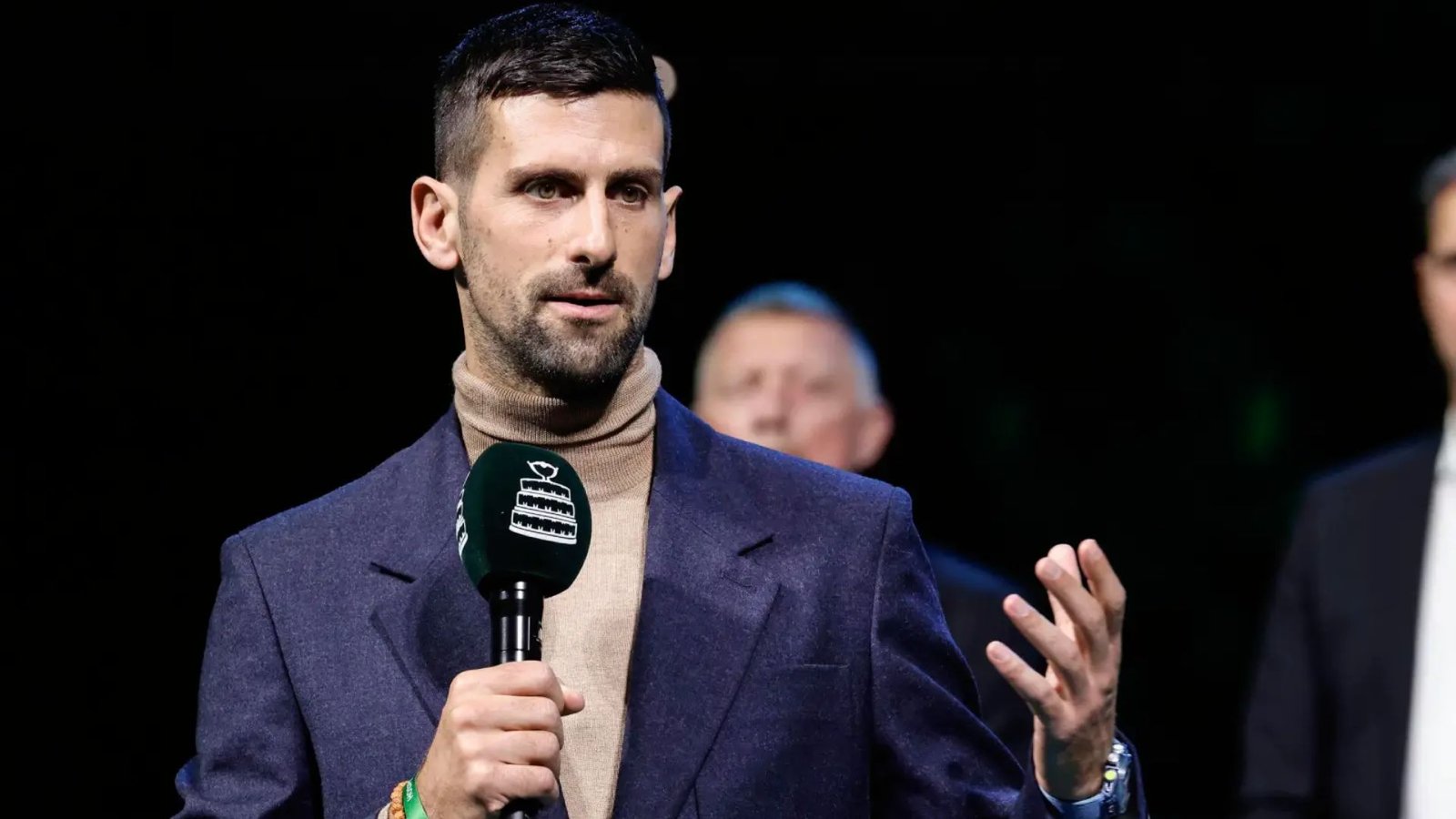
Novak Djokovic, the 24-time Grand Slam champion, has unexpectedly resigned from the Professional Tennis Players Association (PTPA), the players’ union he co-founded in 2019. Djokovic cited concerns over the union’s governance and its future direction as the primary reasons for his departure. The move marks a significant shift within the tennis world and raises questions about the PTPA’s viability without its most prominent figure.
The PTPA was established as an independent body representing male tennis players, aiming to give them greater control over their rights and financial interests. It emerged following a long-standing debate about the Association of Tennis Professionals (ATP) and whether players needed a separate, more autonomous organization. Djokovic, along with Vasek Pospisil and John Isner, were instrumental in its creation, driven by a desire to address perceived inequalities in the sport.
In a statement released through his representatives, Djokovic expressed his belief that the PTPA, while possessing noble intentions, had not fully realized its potential. He specifically pointed to issues surrounding decision-making processes and a perceived lack of transparency in the organization’s leadership. Djokovic felt that the structure hindered the union’s ability to effectively advocate for the players it represented. While acknowledging the hard work of those involved, he stated that differing visions for the PTPA’s future made his continued participation untenable.
A Challenging Path for the PTPA
The PTPA’s journey has been fraught with challenges. It struggled to gain widespread support from all players, particularly those already content with the existing ATP structure. Negotiations with the ATP for greater collaboration proved difficult, and the PTPA often found itself operating on the periphery of the main decision-making bodies in tennis. The absence of representation for female players was also a frequent criticism.
Djokovic’s departure will undoubtedly amplify these challenges. His global recognition and standing within the sport provided the PTPA with significant credibility and influence. Without him, the union may find it harder to attract new members, secure funding, and gain a seat at the table when discussing crucial issues affecting professional tennis. Sources suggest internal disagreements regarding the long-term strategy of the PTPA played a major part in Djokovic’s decision.
The ATP has recently undergone restructuring efforts, including the introduction of a new player representation model. It remains to be seen whether these changes will address the concerns that initially prompted the formation of the PTPA. Djokovic’s resignation signals a potential realignment of power dynamics within the sport, with the ATP likely to strengthen its position as the primary governing body for men’s professional tennis. The future of player representation, and whether a truly independent voice can emerge, remains uncertain.
Djokovic continues to focus on his playing career, currently competing on the international circuit. He has not publicly indicated any plans to become directly involved in tennis governance again, focusing instead on achieving further success on the court.
Image Source: Google | Image Credit: Respective Owner