A new study published in ESS Open Archive utilizes biomarker analysis to reconstruct the environmental history of the Great Salt Lake spanning the last two glacial cycles – approximately 240,000 years. Researchers have uncovered a detailed record of the lake’s fluctuating water levels, salinity, and the surrounding ecosystem’s response to dramatic climate shifts.
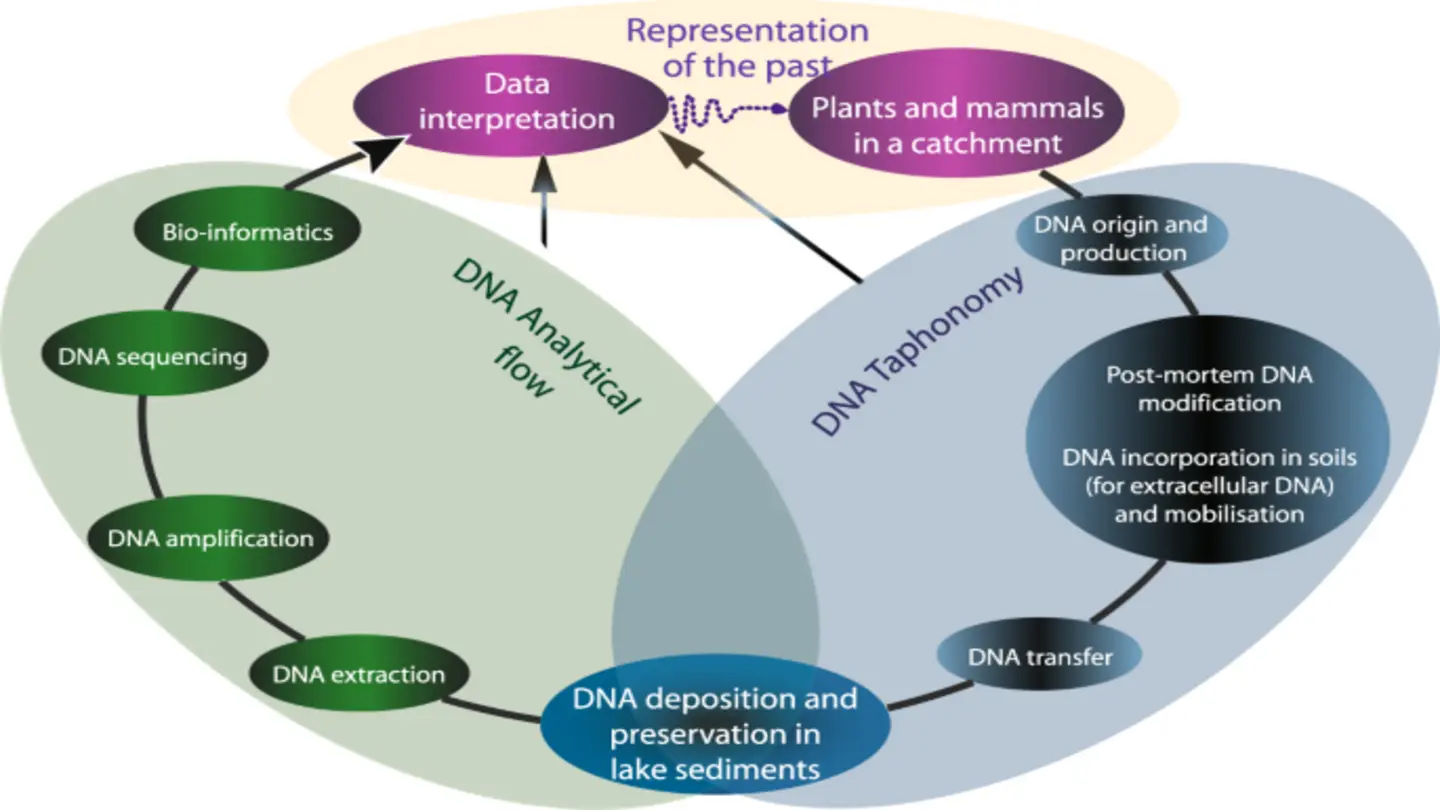
The research team, led by scientists examining sediment cores from the lake, focused on organic molecules, or biomarkers, preserved within the layers. These biomarkers act as fingerprints of past life, specifically the types of microorganisms – bacteria and archaea – that thrived in the lake under different conditions. By identifying and quantifying these biomarkers, the team was able to infer changes in the lake’s environment over millennia.
The findings reveal that the Great Salt Lake has experienced far more significant and frequent fluctuations in size and salinity than previously understood. During glacial periods, when water was locked up in ice sheets, the lake shrank considerably, becoming much saltier. Conversely, during warmer interglacial periods, increased precipitation and runoff led to lake expansion and reduced salinity. These shifts weren’t gradual; the data suggests relatively rapid transitions between these states.
Implications for Modern Understanding
Understanding the lake’s past behavior is crucial for predicting its future, especially in the face of ongoing climate change and water diversion. The Great Salt Lake is currently facing a severe crisis due to prolonged drought and increasing water usage upstream. Water levels have plummeted to record lows, threatening the lake’s delicate ecosystem and the economic activities it supports, such as mineral extraction and brine shrimp harvesting.
The biomarker data provides a valuable baseline for assessing the current situation. It demonstrates that the lake has the capacity to recover from periods of extreme stress, but also highlights the potential for irreversible changes if conditions continue to deteriorate. The study suggests that the current rate of decline is unprecedented in the lake’s recent history, raising concerns about its long-term viability.
Specifically, the research indicates a strong correlation between regional climate patterns and the lake’s salinity. Periods of increased aridity consistently led to higher salt concentrations, impacting the types of microorganisms that could survive. This has implications for the lake’s food web and the overall health of the ecosystem. The team also identified biomarkers associated with specific algal blooms, providing insights into past water quality issues.
The study’s methodology – relying on biomarkers rather than traditional sedimentological analyses – offers a novel approach to paleolimnological research. It allows for a more nuanced understanding of past environmental conditions and provides a powerful tool for monitoring and managing freshwater resources in a changing climate. Future research will focus on refining the biomarker record and integrating it with other paleoclimate data to create a more comprehensive picture of the Great Salt Lake’s environmental history.
Researchers hope this detailed reconstruction will inform water management strategies and conservation efforts aimed at preserving this unique and valuable ecosystem for future generations. The lessons learned from the lake’s past may be critical to navigating its present challenges and ensuring its survival.
Image Source: Google | Image Credit: Respective Owner