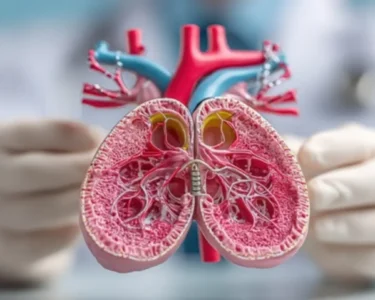
Researchers have confirmed, for the first time, that rhinovirus – commonly known as the cause of the common cold – can be a significant contributor to pneumonia in adults. The findings, published in the European Microbiology and Immunology Journal, challenge the long-held belief that rhinovirus primarily causes upper respiratory tract infections and has limited impact on lower respiratory illnesses in adults.
The study, conducted by a team at the University of Glasgow, analyzed respiratory samples from over 200 adults hospitalized with pneumonia. Using advanced genomic sequencing techniques, the team detected rhinovirus in a substantial proportion of the samples, approximately 12%. Importantly, the presence of rhinovirus was independently associated with more severe illness, requiring longer hospital stays and increased intervention.
Implications for Treatment and Prevention
This discovery has significant implications for how pneumonia is diagnosed and treated. Traditionally, bacterial and viral pathogens like influenza and respiratory syncytial virus (RSV) have been the primary focus of investigations. The inclusion of rhinovirus in diagnostic panels could lead to more accurate identification of the causative agent in a greater number of cases. Currently, there are no specific antiviral treatments for rhinovirus, but understanding its role in pneumonia could spur research into novel therapeutic strategies.
Dr. Christine Wannan, lead author of the study, emphasized the importance of these findings. “For years, rhinovirus has been underestimated in its potential to cause severe respiratory disease in adults. We’ve shown that it’s not just a ‘common cold’ virus and can, in fact, lead to serious pneumonia requiring hospitalization.”
The researchers also noted that the detected rhinovirus strains were diverse, suggesting that multiple variants can contribute to pneumonia. This diversity could also explain why previous studies failed to establish a strong link, as the virus may have been overlooked due to the limitations of earlier diagnostic methods. The study highlights the need for broader viral surveillance to accurately assess the burden of respiratory infections.
While the study establishes a clear association, it doesn’t definitively prove causation. Further research is needed to fully elucidate the mechanisms by which rhinovirus triggers pneumonia in adults. However, the findings strongly suggest that rhinovirus should be considered a potential pathogen in cases of community-acquired pneumonia, particularly in individuals without other obvious risk factors.
The team plans to continue their research, focusing on identifying specific viral factors that contribute to disease severity and exploring potential antiviral targets. This work could ultimately lead to improved outcomes for patients suffering from rhinovirus-associated pneumonia. Public health officials may also need to reassess strategies for preventing the spread of rhinovirus, especially during peak cold and flu seasons, to mitigate the risk of pneumonia outbreaks.
The study underscores the complex interplay of viruses in respiratory infections and the importance of comprehensive diagnostic approaches. It serves as a reminder that even seemingly benign viruses can pose a serious threat to health, particularly in vulnerable populations.
Image Source: Google | Image Credit: Respective Owner