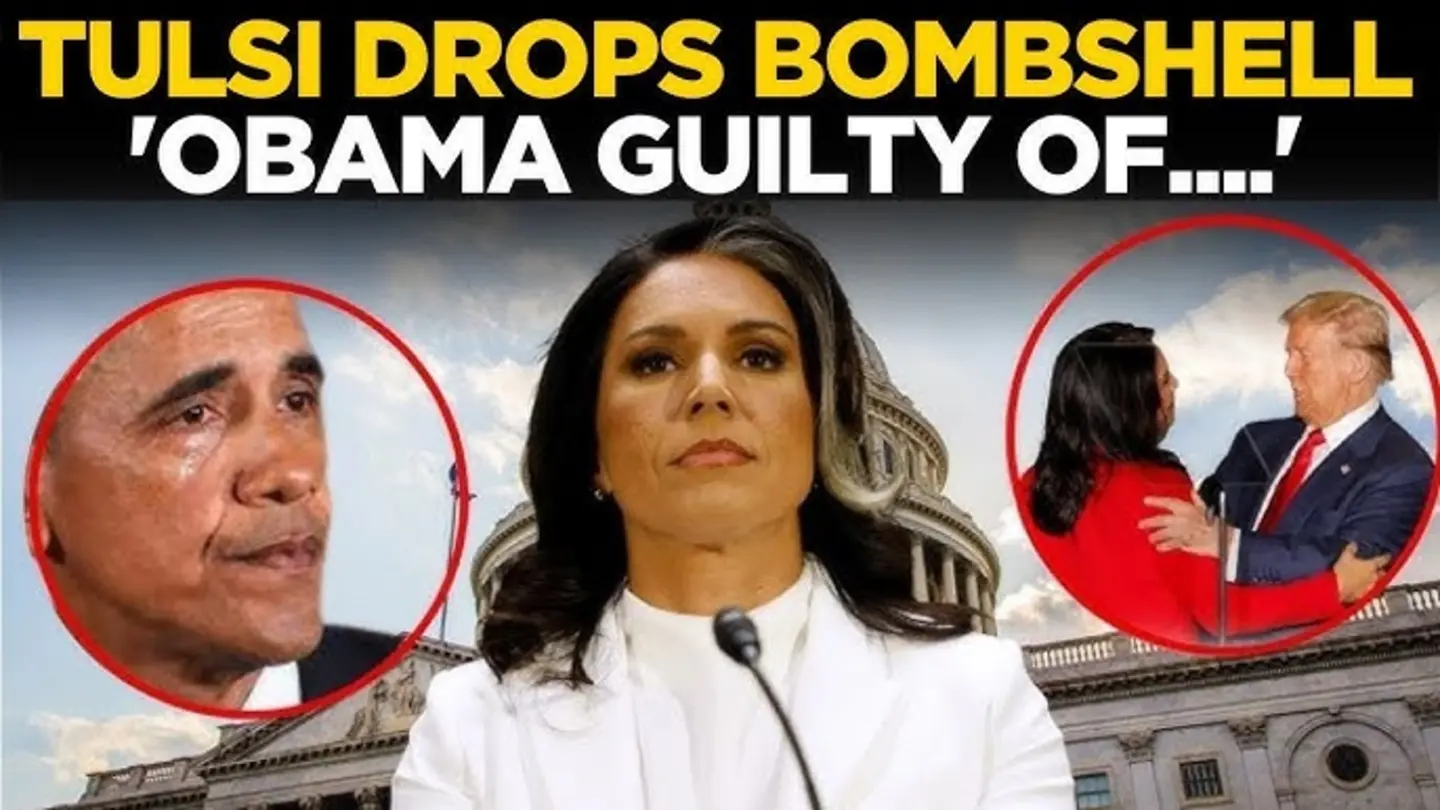
A past social media post by former Congresswoman Tulsi Gabbard regarding Venezuela is gaining renewed attention following the recent capture of presidential candidate, Henrique Capriles. The post, originally shared in 2019, advocates for the United States to “stay out of Venezuela,” a sentiment that is now being widely discussed in light of the ongoing political turmoil and the arrest of a key opposition figure.
The resurgence of Gabbard’s statement comes as the Biden administration faces scrutiny over its policy towards Venezuela. Capriles’ arrest, deemed by many as politically motivated, has sparked international condemnation and raised concerns about the fairness of upcoming elections. Critics argue that the U.S. has not done enough to support democratic processes in the country, while others maintain that direct intervention would be counterproductive.
Gabbard’s 2019 post specifically criticized U.S. involvement in Venezuelan affairs, echoing arguments made by some that Washington’s actions have exacerbated the country’s economic and political crises. She suggested that the U.S. should focus on addressing its own domestic issues rather than attempting to influence the outcome of events in Venezuela. The post has been shared thousands of times across various platforms, accompanied by commentary ranging from agreement to strong disagreement.
Context of the Original Post
The original post was made during a period of heightened tension between the U.S. and Venezuela, following the Trump administration’s recognition of Juan Guaidó as the legitimate president. The U.S. imposed sanctions on Venezuela, aiming to pressure the Maduro government to step down. Gabbard, known for her non-interventionist foreign policy views, consistently opposed these actions, arguing they harmed the Venezuelan people.
The current debate surrounding Gabbard’s post highlights the complexities of U.S. foreign policy in Latin America. While many advocate for supporting democracy and human rights in Venezuela, there is a significant disagreement on the best way to achieve these goals. Some believe that strong sanctions and diplomatic pressure are necessary, while others argue for a more nuanced approach that prioritizes dialogue and humanitarian aid.
The timing of the post’s revival is particularly sensitive, given Capriles’ arrest and the upcoming elections. Capriles, a prominent voice in the opposition, was arrested on charges of electoral fraud and conspiracy. His supporters and international observers claim the charges are fabricated to prevent him from running against Maduro. The situation raises questions about the legitimacy of the electoral process and the future of democracy in Venezuela.
Gabbard herself has not directly commented on the renewed attention to her post, but her previous statements on Venezuela remain consistent with her long-held beliefs. The incident serves as a reminder of the enduring debate over U.S. interventionism and the potential consequences of foreign policy decisions in volatile regions. The discussion is likely to continue as the situation in Venezuela unfolds and the U.S. grapples with its role in the country’s future.
The renewed focus on Gabbard’s statement also underscores the power of social media to resurface past comments and shape current narratives, particularly in the realm of politics and international affairs. It demonstrates how quickly opinions can be amplified and debated in the digital age, and the importance of considering the historical context when evaluating such discussions.
Image Source: Google | Image Credit: Respective Owner