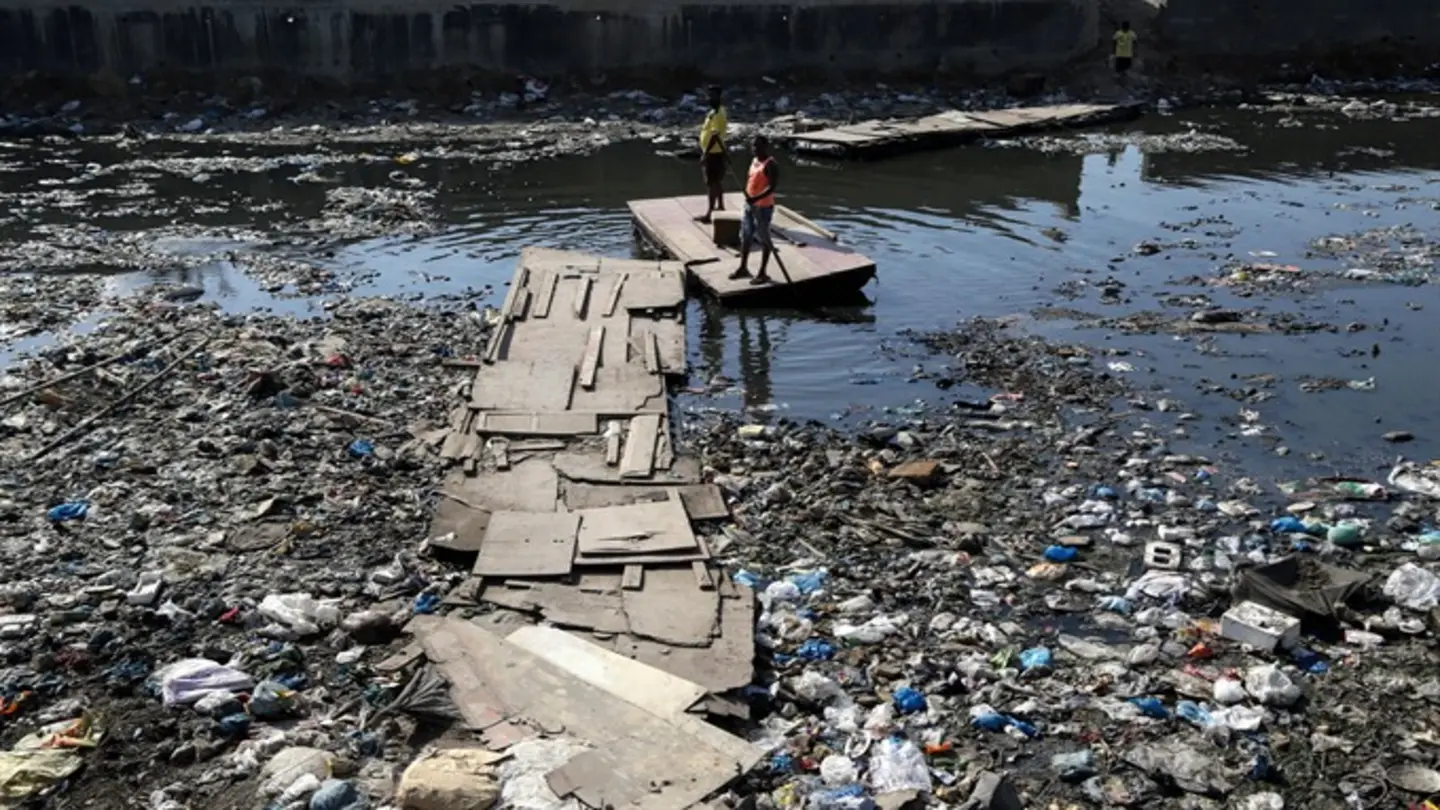
Indore, India – A public health crisis is unfolding in Indore, a city consistently ranked as India’s ‘cleanest,’ with at least 10 deaths attributed to contaminated drinking water. Investigations point to sewage mixing with the city’s water supply as the primary cause, sparking outrage and raising serious questions about infrastructure and public health management.
The deaths, concentrated in several localities across Indore, began to surface last week, prompting local authorities to launch an investigation. Initial findings indicate that recent heavy rainfall exacerbated existing issues with aging and poorly maintained water pipelines, leading to leakage and the infiltration of sewage into the potable water system. Residents have reported foul smells and discolored water for several days prior to the outbreak of illness.
Health Officials Respond
Health officials are working to contain the spread of waterborne diseases, including diarrhea and gastroenteritis. Teams are conducting door-to-door surveys to identify affected individuals and provide medical assistance. Public health advisories have been issued, urging residents to boil water before consumption and to avoid drinking water from unreliable sources. However, access to clean water remains a significant challenge for many residents, particularly in lower-income areas.
“We are taking this matter extremely seriously,” stated a spokesperson for the Indore Municipal Corporation. “We are working around the clock to identify and repair the damaged pipelines, and to ensure that all residents have access to safe drinking water. We are also conducting a thorough investigation to determine the root cause of the problem and to prevent similar incidents from happening in the future.”
The incident has exposed vulnerabilities in Indore’s infrastructure, despite its repeated accolades for cleanliness. Critics argue that the focus on surface-level cleanliness has overshadowed the need for investment in essential infrastructure, such as water and sewage systems. The city’s rapid population growth has also put a strain on existing resources, further exacerbating the problem.
Local residents have expressed anger and frustration over the situation, accusing authorities of negligence. Many claim that they had repeatedly reported issues with water quality to the municipal corporation, but their concerns were ignored. Opposition parties have called for a high-level inquiry into the matter and demanded accountability from those responsible.
The crisis in Indore serves as a stark reminder of the challenges facing India’s urban centers in providing basic services to their growing populations. It highlights the urgent need for investment in infrastructure, improved public health monitoring, and greater transparency and accountability in local governance. The long-term health consequences of the contamination are still unknown, and authorities are bracing for a potential increase in the number of cases in the coming days.
Further investigations are underway to assess the full extent of the contamination and to identify all affected areas. The municipal corporation has promised to provide regular updates to the public and to take all necessary measures to address the crisis.
Image Source: Google | Image Credit: Respective Owner