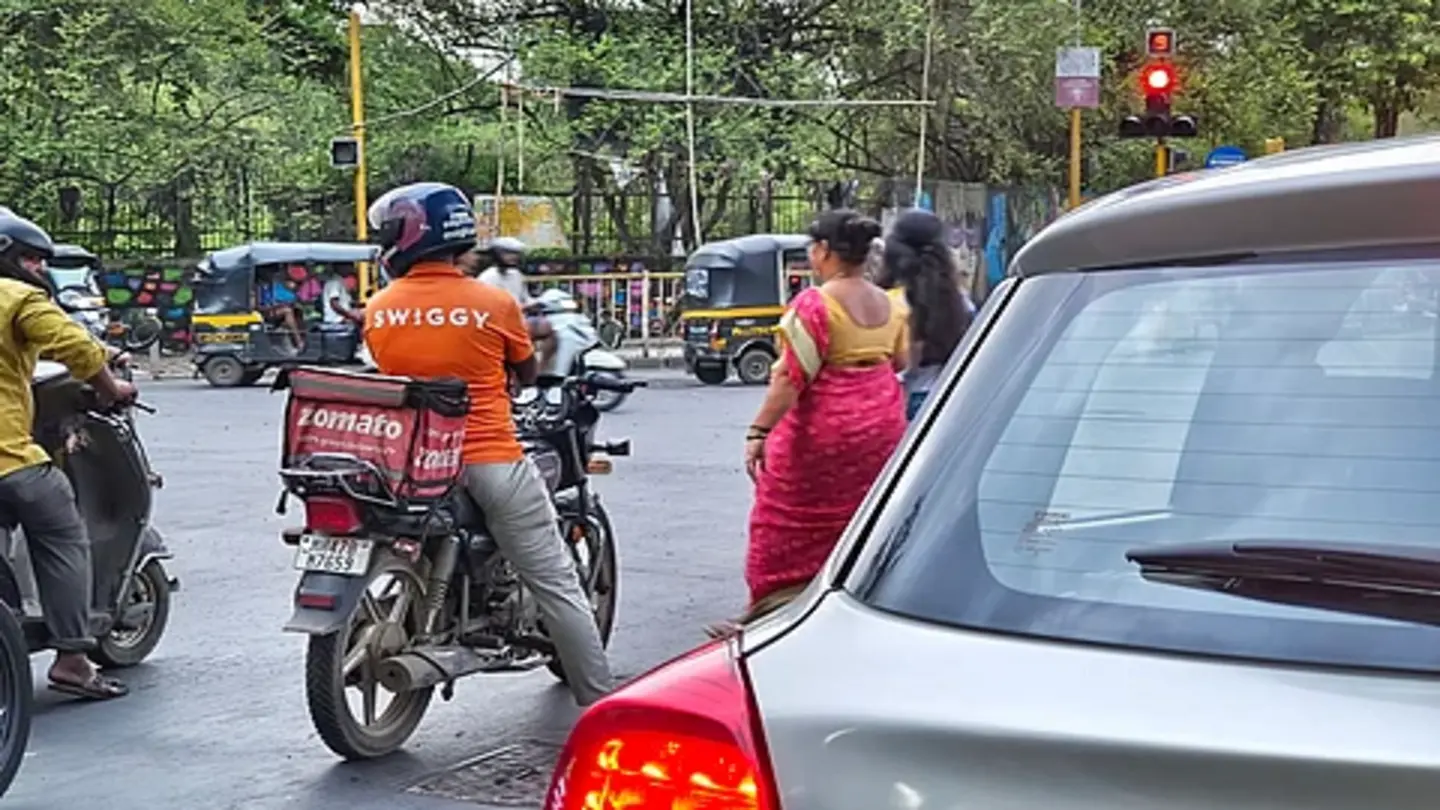
India is experiencing a rapid expansion of ultra-fast delivery services, promising groceries and other essentials to customers in under 10 minutes. Companies like Blinkit, Zepto, and Swiggy Instamart are leading this charge, fueled by venture capital and a demand for convenience in densely populated urban areas. However, this convenience comes at a cost, with delivery drivers facing intense pressure, low wages, and dangerous working conditions.
The business model relies on a network of strategically located “dark stores” – small warehouses that function solely as fulfillment centers – and a fleet of gig workers who navigate chaotic city streets to meet increasingly tight deadlines. Drivers report being penalized for late deliveries, even when delays are caused by traffic congestion or unforeseen circumstances. The incentive structure often encourages reckless driving to maximize the number of deliveries completed per hour.
Safety Concerns and Financial Strain
CNN’s reporting highlights the significant safety risks faced by these drivers. Many are young men from rural areas seeking employment in the cities, and they often lack adequate training or safety equipment. The pressure to deliver quickly leads to frequent traffic violations and a heightened risk of accidents. Beyond the physical dangers, drivers also struggle with financial insecurity. While companies advertise potential earnings, many drivers claim their actual income, after accounting for fuel costs, vehicle maintenance, and platform fees, is significantly lower than promised.
The gig economy nature of the work means drivers lack traditional employee benefits such as health insurance, paid time off, or unemployment protection. This leaves them vulnerable to financial hardship in the event of illness or injury. Several drivers interviewed by CNN described working long hours, seven days a week, just to make ends meet.
The rapid growth of these services has also raised concerns about the sustainability of the business model. The heavy reliance on venture capital funding means that companies are currently able to offer deep discounts and incentives to attract customers. However, it remains unclear whether these companies can achieve profitability without further increasing pressure on their drivers or raising prices for consumers.
Labor rights activists are calling for greater regulation of the quick commerce industry, including minimum wage guarantees, safety standards, and access to social security benefits for delivery drivers. They argue that the current system exploits vulnerable workers and prioritizes profit over people. The debate over the future of quick commerce in India is likely to intensify as the industry continues to evolve and its impact on the workforce becomes more apparent. The companies themselves maintain they are committed to improving working conditions, but acknowledge the challenges of balancing speed, efficiency, and worker welfare.
The situation underscores a broader trend in the gig economy, where the pursuit of convenience and efficiency often comes at the expense of worker rights and safety. As India’s quick commerce sector expands, it will be crucial to address these issues to ensure a fair and sustainable future for the delivery drivers who power this burgeoning industry.
Image Source: Google | Image Credit: Respective Owner