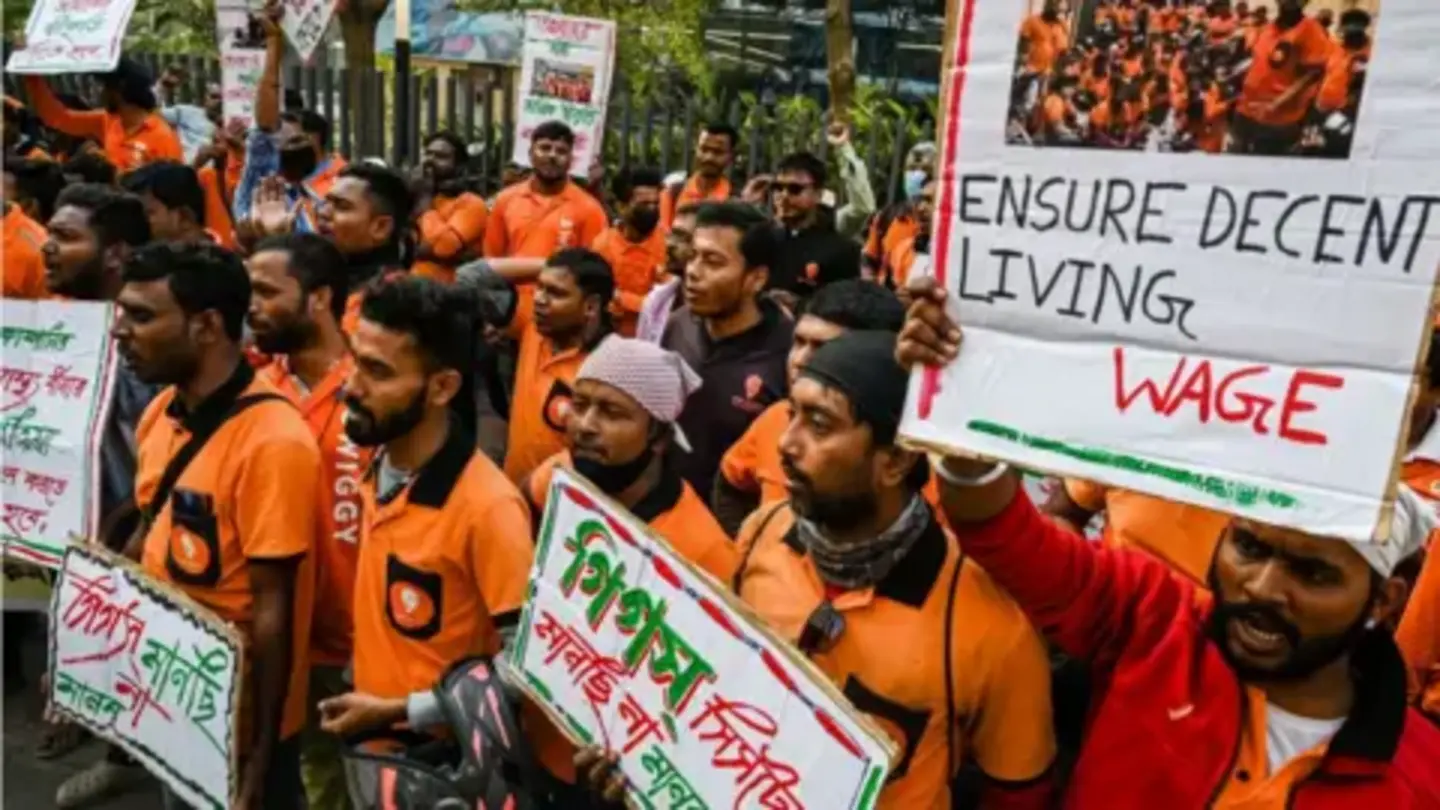
Zomato CEO Deepinder Goyal has responded to the ongoing strike by gig workers in multiple cities across India, asserting that the company’s system wouldn’t function if it were fundamentally unfair to its delivery partners. The strike, which began on Monday, centers around demands for better pay, improved working conditions, and the reinstatement of a previous payment structure.
Goyal addressed the concerns in a series of posts on X (formerly Twitter), stating that the current payment system, which was implemented after extensive testing and data analysis, is designed to optimize earnings for delivery partners. He explained that the system aims to ensure partners are assigned orders efficiently, minimizing idle time and maximizing their potential income. He further clarified that if the system were truly unfair, it wouldn’t be sustainable, as workers would quickly leave the platform.
“If the system was fundamentally unfair, it wouldn’t work. We wouldn’t have riders,” Goyal wrote. “We are constantly experimenting with different payout structures to see what works best. The current structure is a result of a lot of A/B testing and data analysis.” He acknowledged the concerns raised by the striking workers and stated that Zomato is open to dialogue and willing to make adjustments if necessary.
The strike has impacted Zomato’s delivery operations in several cities, including Mumbai, Delhi, and Bangalore. Delivery times have reportedly increased, and some restaurants have experienced a drop in orders. Workers are protesting changes made to the payment algorithm, alleging that it has led to a significant reduction in their earnings. They claim the new system prioritizes speed over fair compensation, forcing them to accept more deliveries for less pay.
Worker Demands and Zomato’s Response
Workers are demanding a return to the previous payment model, which they say provided a more stable and predictable income. They are also seeking assurances regarding safety and insurance coverage. Zomato, however, maintains that the new system is more equitable in the long run, as it takes into account factors such as distance, time of day, and demand. The company has also stated that it provides insurance coverage to its delivery partners and is committed to ensuring their safety.
Goyal emphasized that Zomato values its delivery partners and recognizes their crucial role in the company’s success. He reiterated the company’s willingness to engage in constructive discussions with worker representatives to address their concerns and find mutually acceptable solutions. He also pointed out that Zomato has implemented several initiatives to support its delivery partners, including access to healthcare and financial assistance programs.
The situation remains fluid, and it is unclear how long the strike will last. Industry analysts are closely monitoring the developments, as the outcome could have significant implications for the gig economy in India. The strike highlights the growing tensions between companies and gig workers over issues of pay, working conditions, and job security. Zomato’s response will likely set a precedent for other companies operating in the same space.
Goyal concluded by stating that Zomato is committed to building a sustainable and equitable platform for all its stakeholders, including its delivery partners, restaurants, and customers. He expressed confidence that the company can resolve the current dispute and continue to provide a reliable and efficient delivery service.
Image Source: Google | Image Credit: Respective Owner