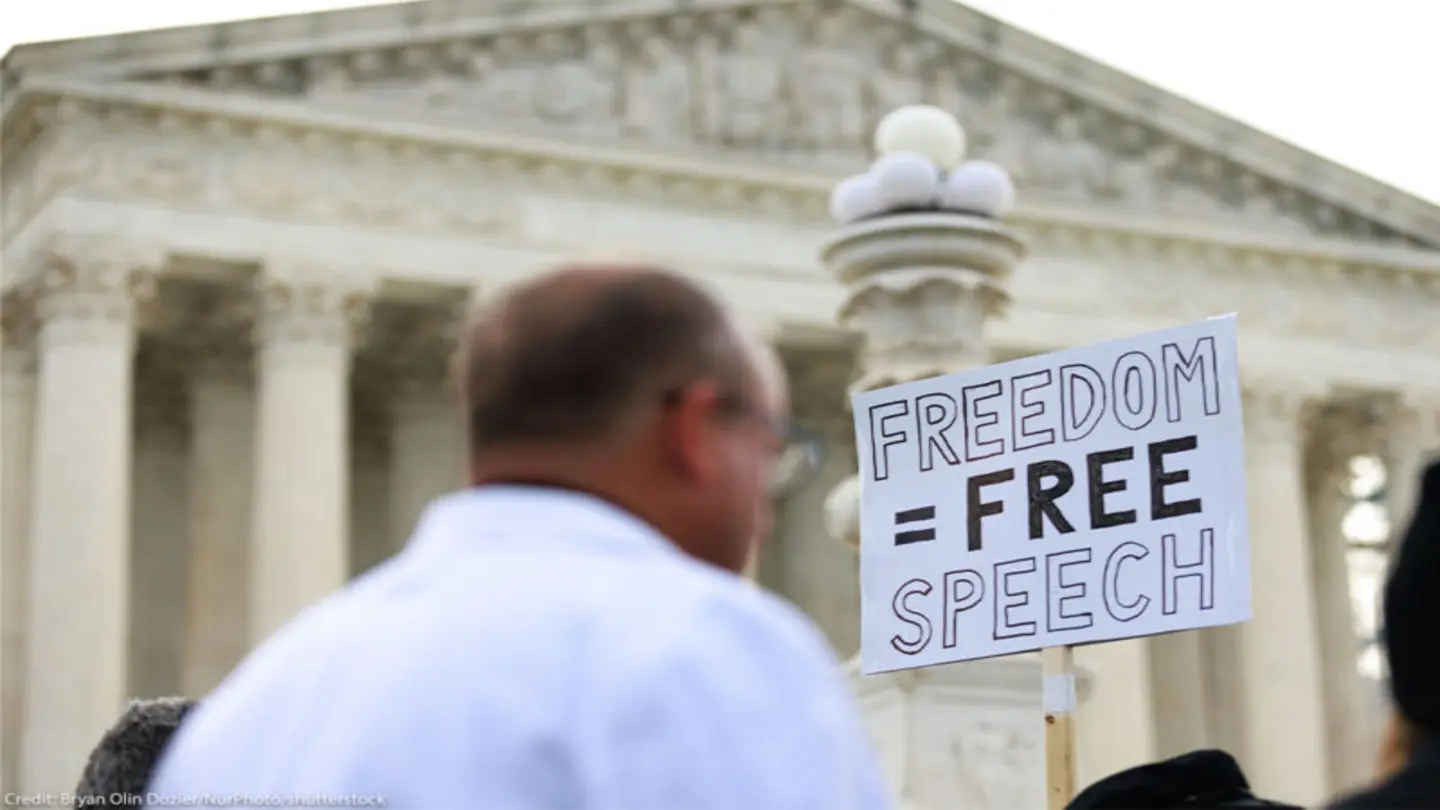
The Supreme Court is poised to tackle several significant free speech cases in its 2025 term, potentially reshaping the legal landscape surrounding online expression, government regulation of social media, and the boundaries of protected speech. The cases arrive amidst intense debate about censorship, misinformation, and the role of technology platforms in moderating content.
One of the most closely watched cases involves challenges to state laws designed to address the spread of harmful content online, particularly regarding minors. These statutes typically aim to hold social media companies accountable for content accessible to young users, requiring them to implement age verification measures and proactively monitor for potentially damaging material. Opponents argue these laws constitute unconstitutional restrictions on speech, forcing platforms to err on the side of censorship to avoid legal repercussions. They contend the laws are overly broad and will inevitably suppress legitimate expression.
The legal arguments center on Section 230 of the Communications Decency Act, a long-standing provision that shields online platforms from liability for content posted by their users. While Section 230 has been credited with fostering the growth of the internet, it has also faced increasing scrutiny from lawmakers on both sides of the aisle. The cases before the Supreme Court will likely re-examine the scope of Section 230’s protections and consider whether—and to what extent—states can regulate internet content without violating the First Amendment.
Another key case concerns the First Amendment rights of government employees. The court will consider whether public sector workers can be disciplined or terminated for expressing their views on matters of public concern, even if those views are critical of their employer. This case stems from disputes involving employees who were penalized for social media posts that were deemed to be disruptive or damaging to the government’s image.
The Court’s Free Speech History
The Supreme Court’s recent rulings on free speech have been marked by a degree of inconsistency, reflecting the justices’ differing interpretations of the First Amendment. Some justices have expressed strong support for broad free speech protections, even in cases involving offensive or unpopular viewpoints. Others have emphasized the need to balance free speech rights against other important societal interests, such as public safety and the well-being of children.
Legal experts anticipate a lively debate during oral arguments and a potentially fractured decision in these cases. The outcome could have far-reaching implications for the future of free speech in the digital age, impacting everything from social media regulation to the ability of individuals to express themselves online without fear of censorship or retaliation. The cases are expected to be heard in the fall of 2024, with decisions likely to be issued in the spring of 2025, offering clarity on these critical issues.
The court will also address whether certain forms of online threats constitute “true threats,” which are not protected by the First Amendment. This involves determining the level of intent and imminence required to strip speech of its protective status, a delicate balancing act vital to preserving both free expression and public safety. The rulings will undoubtedly provoke significant discussion and further refinement of free speech doctrines.
Image Source: Google | Image Credit: Respective Owner