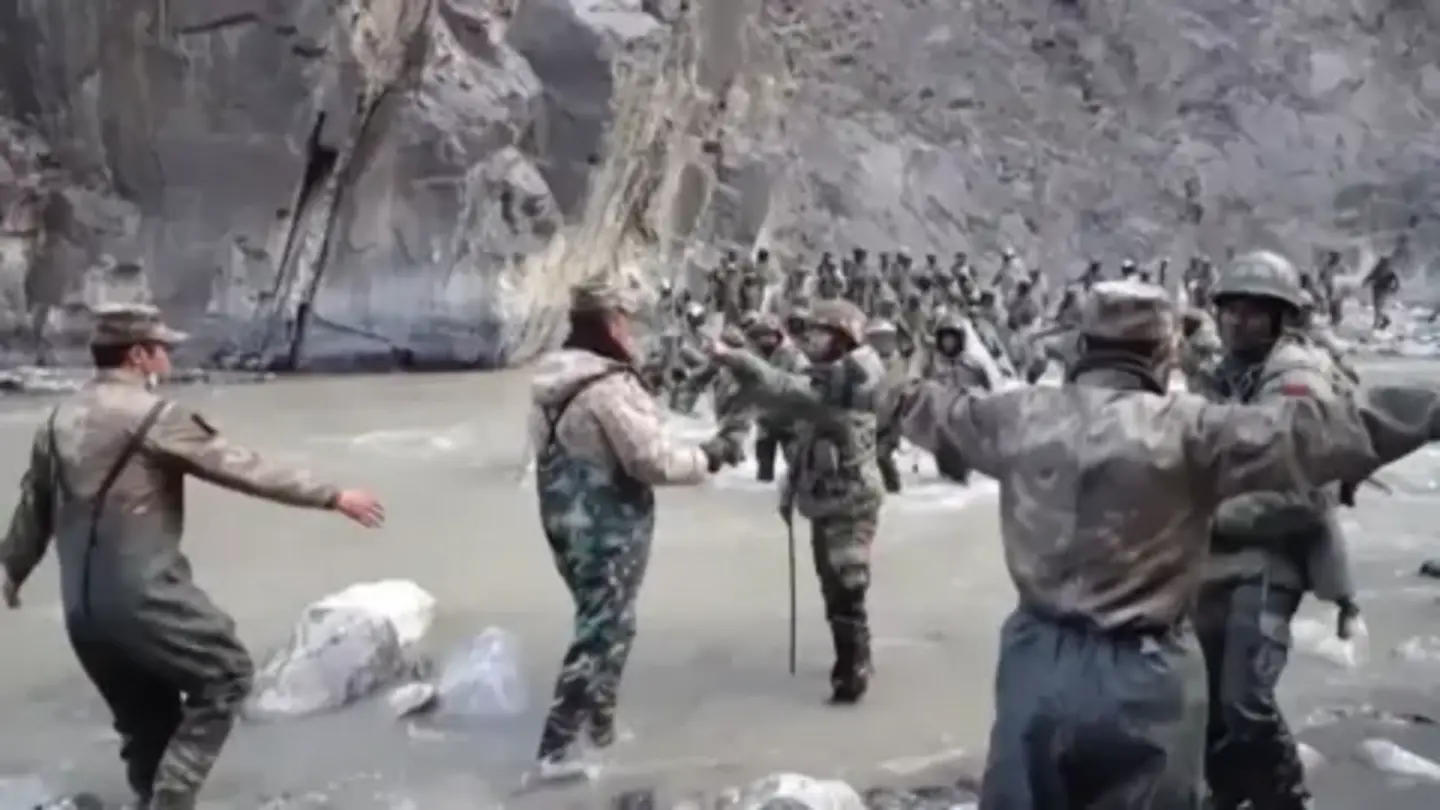
A new Bollywood film, ‘Battle of Galwan,’ depicting the 2020 Sino-Indian border clash, has ignited controversy in India and drawn criticism from Chinese state media for alleged historical distortions. The film, released on streaming platforms, aims to portray the bravery of Indian soldiers during the Galwan Valley skirmish, a deadly confrontation between Indian and Chinese forces. However, experts and commentators on both sides of the border are questioning its accuracy and potential for inflaming tensions.
The Global Times, a Chinese state-run publication, reported that the film has been accused of exaggerating events and presenting a biased narrative. Critics allege the film relies heavily on ‘over-the-top’ drama and sensationalism, potentially misrepresenting the complexities of the border dispute and the actual events that transpired in Galwan Valley. Specifically, concerns have risen over the portrayal of Chinese soldiers and the depiction of the clash itself.
Contentious Depiction Fuels Debate
Indian commentators have also weighed in, raising eyebrows at certain cinematic liberties taken with the facts. While the film intends to be a patriotic tribute, some argue that it veers into jingoism and may not accurately reflect the strategic and political nuances of the situation. The absence of thorough research and reliance on anecdotal accounts are highlighted as key issues. The film’s producer, however, defends the creative decisions, emphasizing that it’s a dramatization and not a documentary.
According to the Global Times, a Chinese expert dismissed the prospect of the movie impact on the actual location. “No ‘over-the-top’ drama can affect a nation’s sacred territory,” the expert stated. This reaction underlines China’s firm stance on its territorial claims, particularly along the Line of Actual Control (LAC). While China acknowledges the clash, its official narrative often differs significantly from India’s.
The Galwan Valley clash resulted in casualties on both sides, though the exact numbers remain disputed. The event led to a significant deterioration in Sino-Indian relations and prompted a build-up of military forces along the border. The current film’s release comes at a sensitive time, as both nations are engaged in ongoing diplomatic and military talks to resolve the border dispute.
Analysts believe that the film could potentially complicate these negotiations by reinforcing nationalist sentiments and hardening public positions on both sides. Whether it will trigger a significant diplomatic fallout remains to be seen. However, the controversy highlights the power of cinema to shape public perceptions and influence geopolitical dynamics, especially in a region marked by historical tensions and ongoing border disputes. The debate over the film’s accuracy serves as a reminder of the importance of responsible storytelling when dealing with sensitive and critical historical events.
The producers face a delicate balancing act: honoring the sacrifices of Indian soldiers while maintaining a degree of historical responsibility. Early reactions to the film suggest that striking this balance has proven challenging, sparking a widespread discussion about the line between cinematic license and factual accuracy.
Image Source: Google | Image Credit: Respective Owner