The United States is demonstrating its military presence in the Western Pacific with the operation of two aircraft carrier strike groups, as China continues large-scale military drills near Taiwan. These exercises, entering their second day, are widely perceived as a show of force and a direct response to recent political developments in Taiwan, particularly the inauguration of President Lai Ching-te.
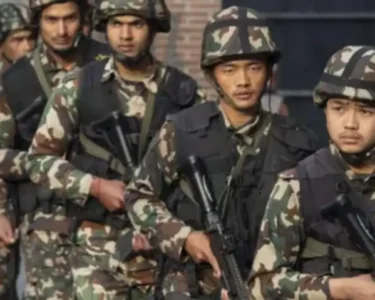
The drills involve the Chinese People’s Liberation Army (PLA) Navy, Air Force, and other branches, simulating attacks on the island and practicing island seizure tactics. Beijing views Taiwan as a breakaway province and has consistently maintained it will not rule out the use of force to achieve reunification. The scale of the current exercises is particularly noteworthy, encompassing land, sea, and air operations across a vast area.
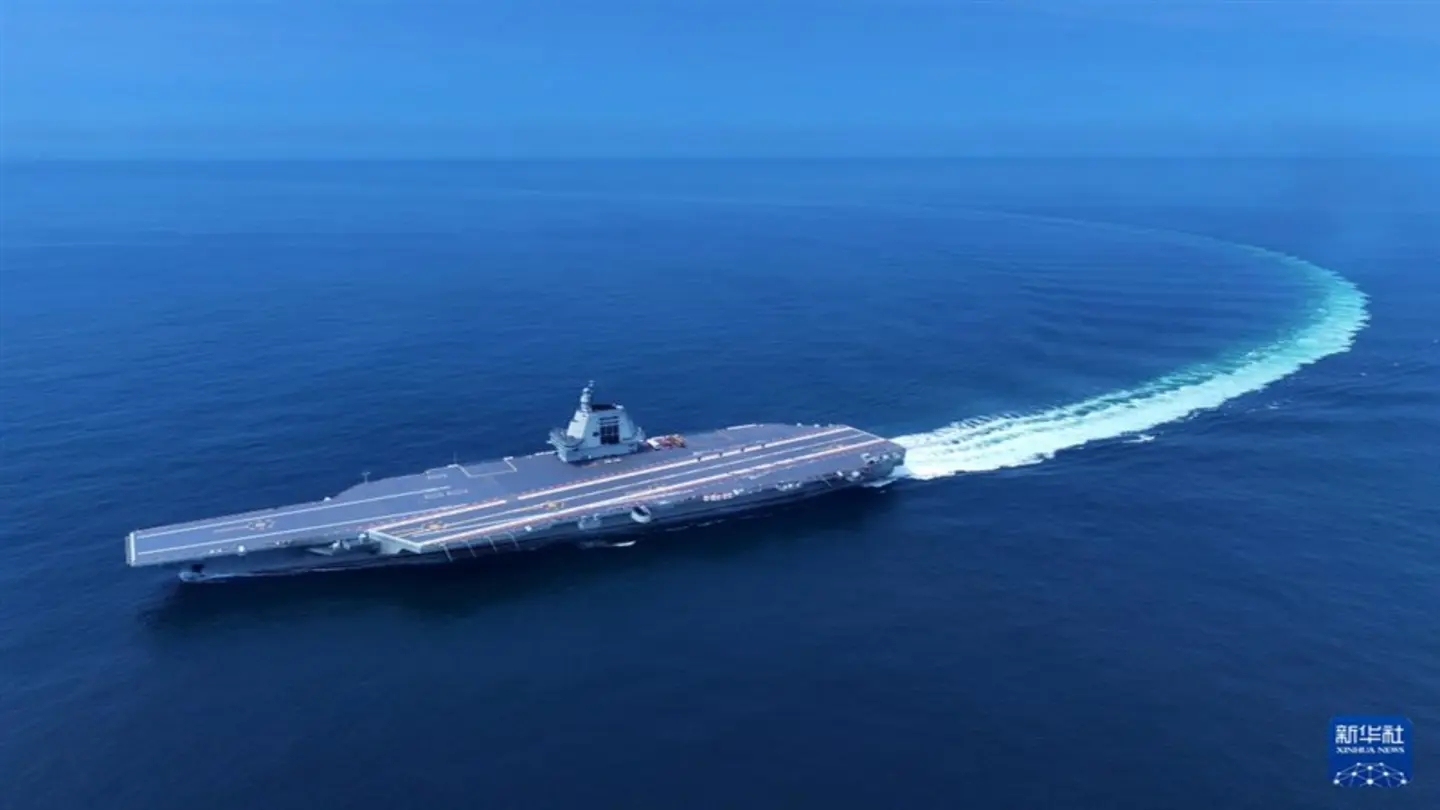
The US Navy’s deployment includes the USS Nimitz and the USS Theodore Roosevelt, both powerful symbols of American naval capability. Their presence is intended to reassure allies in the region, including Japan and the Philippines, and to deter any aggressive actions by China. While the US maintains a policy of “strategic ambiguity” regarding its response to a potential Chinese invasion of Taiwan, the deployment of two carrier groups sends a clear message of commitment to regional stability.
Analysts suggest that China’s drills are designed to intimidate Taiwan’s new leadership and to test the response of the US and its allies. The timing of the exercises, coinciding with President Lai’s inauguration speech which called for a peaceful and democratic future for Taiwan, is seen as deliberately provocative. Lai’s firm stance against Chinese unification has drawn sharp criticism from Beijing.
The US response has been carefully calibrated. While not directly interfering with the Chinese drills, the deployment of the carrier groups serves as a visible reminder of US military strength and its ability to project power into the region. The US has also reiterated its commitment to providing Taiwan with the defensive capabilities it needs to protect itself.
Regional Implications
The increased military activity in the Western Pacific is raising concerns about the potential for miscalculation or escalation. The region is already a hotspot of geopolitical tensions, with ongoing disputes over the South China Sea and North Korea’s nuclear program. The current situation adds another layer of complexity and increases the risk of conflict.
Japan, a key US ally, has expressed its concerns about China’s military activities and has increased its own defense spending in response. The Philippines, which has a territorial dispute with China in the South China Sea, is also strengthening its security ties with the US. The US is working to bolster its alliances in the region to create a more robust deterrent against Chinese aggression.
Besides the military aspect, the situation has prompted discussions regarding economic reliance on China. Many nations are looking at diversifying trade relations to cushion themselves from potential economic coercion should tensions escalate. The message remains clear: the US is actively working to maintain peace and stability in the Western Pacific, but the onus is also on China to act responsibly and avoid actions that could jeopardize the region’s security.
Image Source: Google | Image Credit: Respective Owner