New research indicates a significant association between obstructive sleep apnea (OSA) and increased risk of several mental health conditions, including depression, anxiety, and post-traumatic stress disorder (PTSD). The study, published in Sleep Health, analyzed data from over 10,000 U.S. adults and found that individuals with OSA were substantially more likely to report experiencing these mental health challenges compared to those without the sleep disorder.
Researchers at the University of California, San Francisco, utilized data from the 2017-2018 National Survey of Adults’ Health, focusing on individuals who had been diagnosed with sleep apnea. The analysis revealed a strong correlation, even after accounting for factors like age, sex, race, body mass index (BMI), and other existing health conditions.
Key Findings of the Study
Specifically, the study showed that individuals with OSA had a 46% higher likelihood of reporting depression, a 36% higher likelihood of experiencing anxiety, and a 2.5 times greater risk of being diagnosed with PTSD. These findings underscore the importance of considering sleep apnea as a potential contributing factor in the development or exacerbation of mental health issues.
“We’ve known for a while that there’s a link between sleep apnea and mental health, but this study really quantifies just how strong that link is, and across a broad range of mental health conditions,” said Dr. June Lo, lead author of the study and a pulmonary and sleep medicine physician at UCSF. “It highlights the need for clinicians to be aware of this connection and to screen patients with mental health concerns for sleep apnea, and vice versa.”
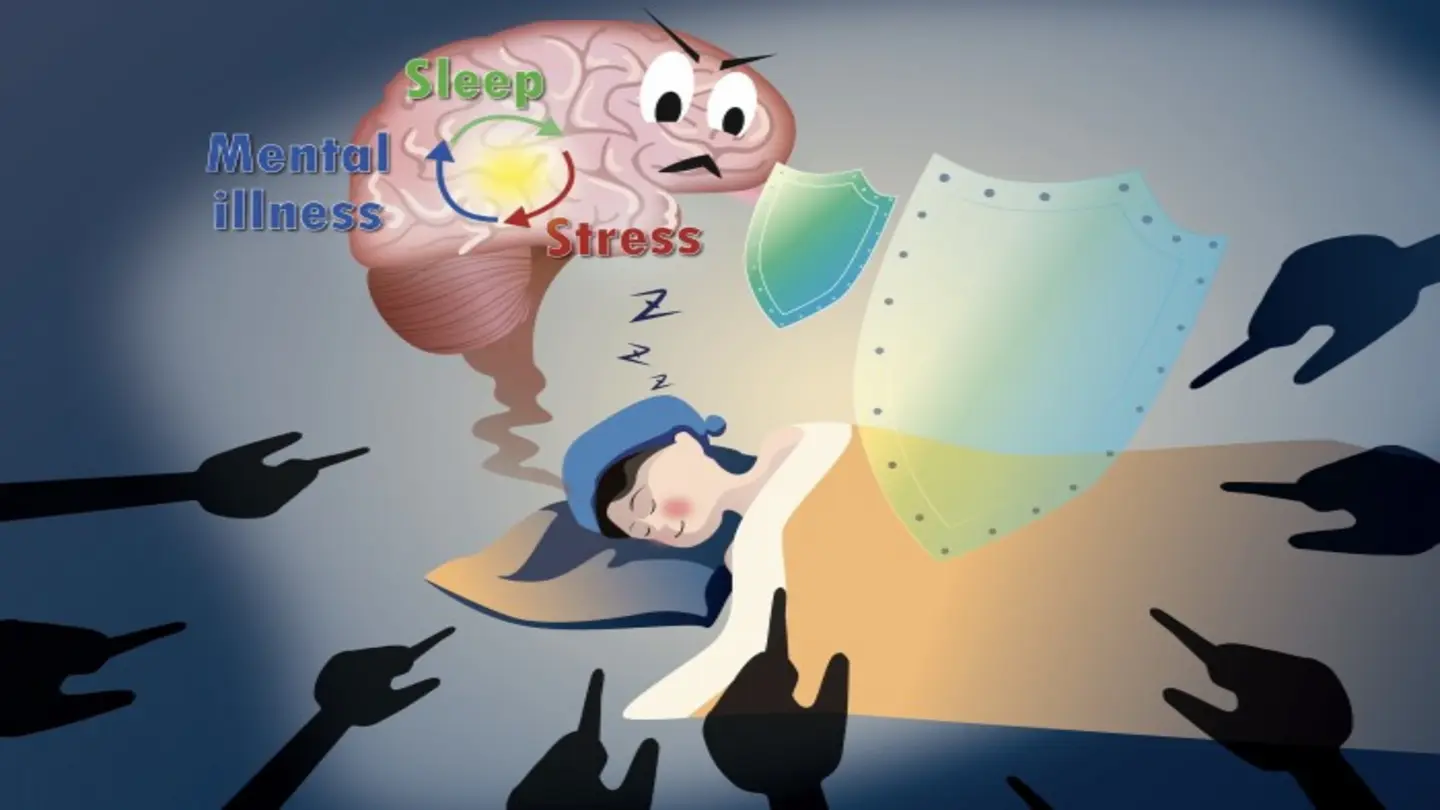
The researchers hypothesize that the link between OSA and mental health stems from several factors. Chronic sleep deprivation, a hallmark of sleep apnea, is known to disrupt brain function and neurotransmitter regulation, both of which play crucial roles in mood and emotional stability. Furthermore, the intermittent drops in blood oxygen levels that occur during apneic events can cause inflammation and oxidative stress, potentially impacting brain health and increasing vulnerability to mental health disorders.
The study also points to the potential for bidirectional relationships. Meaning, not only can sleep apnea increase the risk of mental health problems, but mental health conditions themselves can worsen sleep apnea. For example, anxiety and depression can lead to increased muscle tension, which may contribute to airway obstruction during sleep.
While the study establishes a strong association, it does not prove causation. Further research, including clinical trials, is needed to determine whether treating sleep apnea can improve mental health outcomes. However, the findings strongly suggest that addressing sleep apnea could be an important component of a comprehensive mental healthcare plan. The researchers emphasize the need for increased awareness among both healthcare professionals and the public regarding the interconnectedness of sleep and mental wellbeing.
Individuals experiencing symptoms of sleep apnea, such as loud snoring, daytime sleepiness, and morning headaches, are encouraged to consult with a healthcare provider for diagnosis and treatment options. Early intervention and effective management of sleep apnea may not only improve sleep quality but also contribute to better mental health.
Image Source: Google | Image Credit: Respective Owner