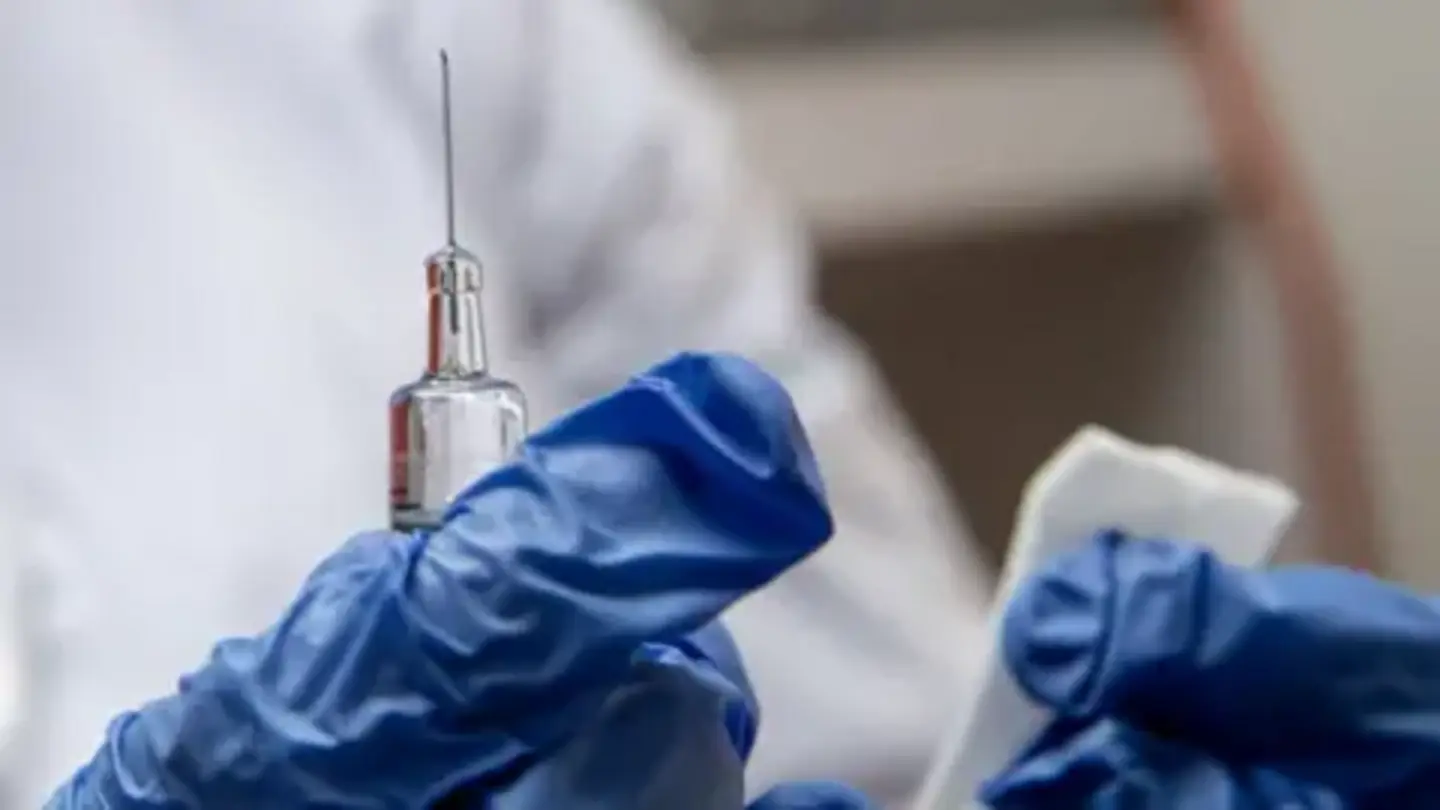
Australian authorities have issued a recall of several rabies vaccines manufactured in India, citing concerns over their authenticity and potential ineffectiveness. The Therapeutic Goods Administration (TGA) of Australia flagged the products, manufactured by BioLab Sciences, as potentially containing fake or substandard doses. This action has prompted a swift response from the Indian manufacturer, which vehemently rejects the claims and asserts the safety and efficacy of its vaccines.
The recalled vaccines include several brands of human and animal rabies immunoglobulin and vaccines. The TGA’s investigation revealed discrepancies in the supply chain, raising suspicions about the integrity of the products. Specifically, concerns center around the possibility that some doses may not contain the stated level of antibodies needed to provide adequate protection against the rabies virus. Rabies is a deadly viral disease transmitted through the saliva of infected animals, and prompt post-exposure prophylaxis – including vaccination – is crucial for survival.
BioLab Sciences, in a statement released to Indian media, has strongly refuted the Australian allegations. The company maintains that its manufacturing processes adhere to stringent international quality standards and that all vaccines released for distribution undergo rigorous testing. They have accused the TGA of acting on unsubstantiated claims and causing unnecessary alarm. The company has indicated its willingness to cooperate fully with any further investigation and provide evidence to support its claims of quality and safety.
The situation has sparked debate about the quality control of pharmaceutical products exported from India, a major global supplier of generic medications. While India’s pharmaceutical industry is known for its affordability, concerns about regulatory oversight and the potential for substandard products have been raised periodically. This incident is likely to intensify scrutiny of Indian pharmaceutical manufacturers and their export practices.
Impact and Response
The Australian recall affects healthcare providers and individuals who may have received the affected vaccines. The TGA has advised anyone who received a vaccine from the recalled batches to consult with their doctor to determine if a booster dose is necessary. The recall also impacts veterinary practices, as some of the affected products are used for animal rabies prevention.
Indian authorities have yet to issue a formal statement on the matter, but sources within the Ministry of Health and Family Welfare indicate they are monitoring the situation closely. They are expected to coordinate with the TGA to gather more information and assess the validity of the concerns. The potential ramifications for BioLab Sciences are significant, including possible financial losses and damage to its reputation. The company’s ability to regain trust in the international market will depend on its response to the allegations and its willingness to demonstrate the quality of its products.
This incident underscores the importance of robust supply chain monitoring and quality assurance measures in the pharmaceutical industry, particularly for vaccines that are critical for public health. The World Health Organization (WHO) also emphasizes the need for international collaboration to ensure the safety and efficacy of vaccines globally. Further investigation is needed to determine the root cause of the concerns and prevent similar incidents from occurring in the future.
Image Source: Google | Image Credit: Respective Owner