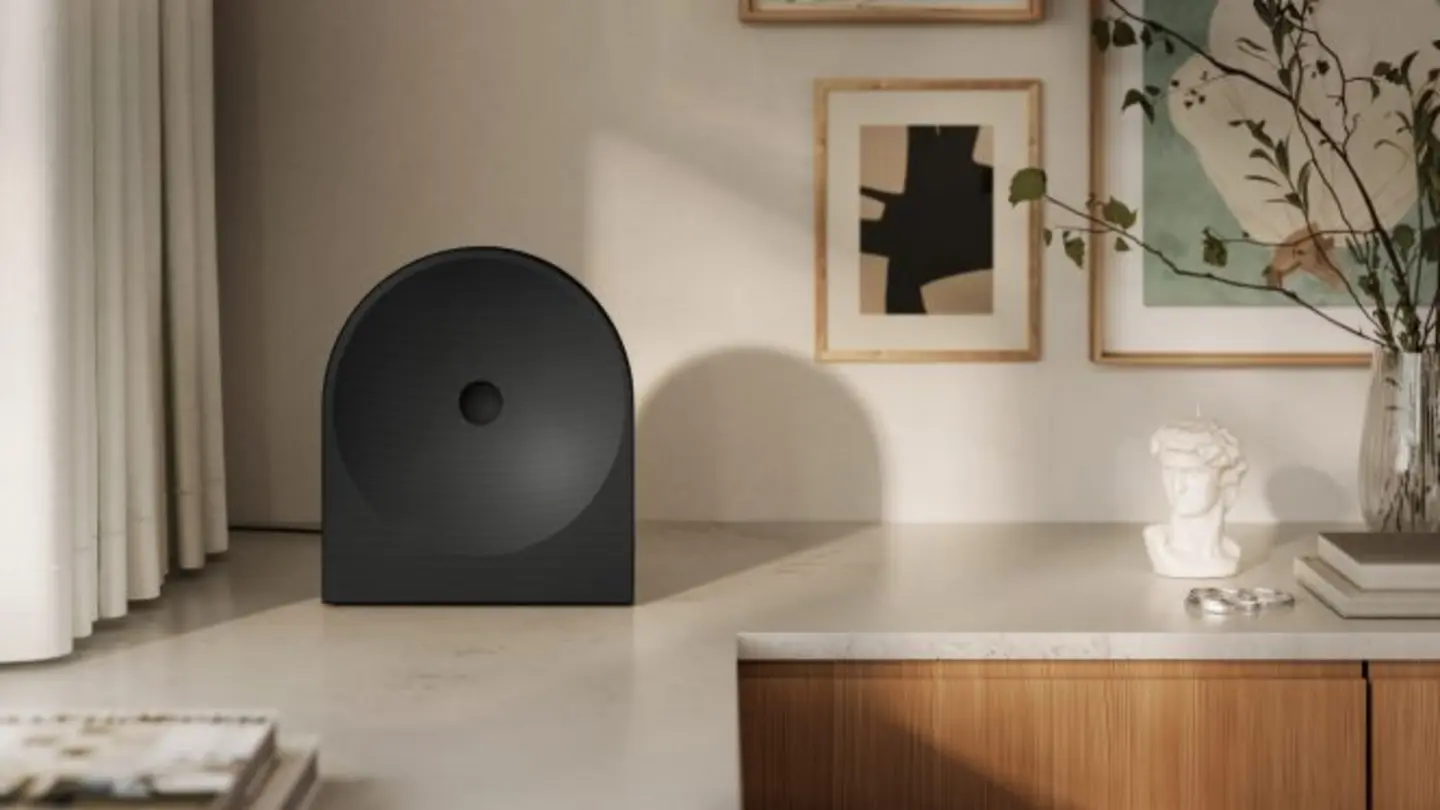
Samsung is laying the groundwork for a significant expansion of its audio ecosystem, targeting a 2026 rollout of technologies focused on seamless multi-device connectivity and more immersive sound designs. The company’s vision, detailed in a recent press release, centers around creating a unified and intelligent audio experience for consumers, moving beyond individual product performance to emphasize how sound interacts across their various devices.
A core component of this strategy is the development of “smarter” multi-device sound capabilities. Samsung aims to allow users to effortlessly transition audio between their smartphones, TVs, soundbars, and other compatible devices without interruption. This will likely involve advancements in Bluetooth connectivity, potentially leveraging newer codecs and protocols for lower latency and higher fidelity. The company is also exploring technologies that enable synchronized audio playback across multiple speakers, creating a wider and more enveloping soundstage.
Immersive Design Innovations
Beyond connectivity, Samsung is heavily investing in new audio product designs. The focus is on creating more immersive experiences, with a particular emphasis on 360-degree sound and spatial audio technologies. This suggests we can expect to see new soundbar configurations, potentially incorporating upward-firing drivers and advanced processing algorithms to simulate a three-dimensional sound field. The company is also hinting at designs that blend more seamlessly into the home environment, moving away from bulky, tech-focused aesthetics towards more minimalist and integrated solutions.
Details regarding specific product launches remain scarce, but Samsung’s commitment to innovation in this area is clear. The company recognizes that audio is no longer simply about reproducing sound; it’s about creating an atmosphere and enhancing the overall user experience. This push aligns with broader trends in the consumer electronics industry, where spatial audio and multi-room audio systems are gaining significant traction.
Samsung’s plans also include improvements to its existing audio technologies, such as its Dolby Atmos support and its AI-powered sound optimization features. Expect further refinements to these areas, making them more effective and user-friendly. The company is also likely to explore new partnerships with content creators and streaming services to deliver optimized audio experiences for specific types of content, like movies, music, and games.
The 2026 timeframe suggests a considerable amount of research and development is still underway. Samsung is likely working on overcoming technical challenges related to seamless device switching, accurate spatial audio rendering, and the creation of aesthetically pleasing designs. The ultimate goal is to establish Samsung as a leader in the next generation of audio technology, offering consumers a truly connected and immersive sound experience.
This expansion isn’t just about premium products; Samsung is expected to integrate these advancements across its entire audio range, making them accessible to a wider audience. The company’s success will depend on its ability to deliver on its promises of seamless connectivity, immersive sound, and appealing design, all while maintaining competitive pricing.
Image Source: Google | Image Credit: Respective Owner