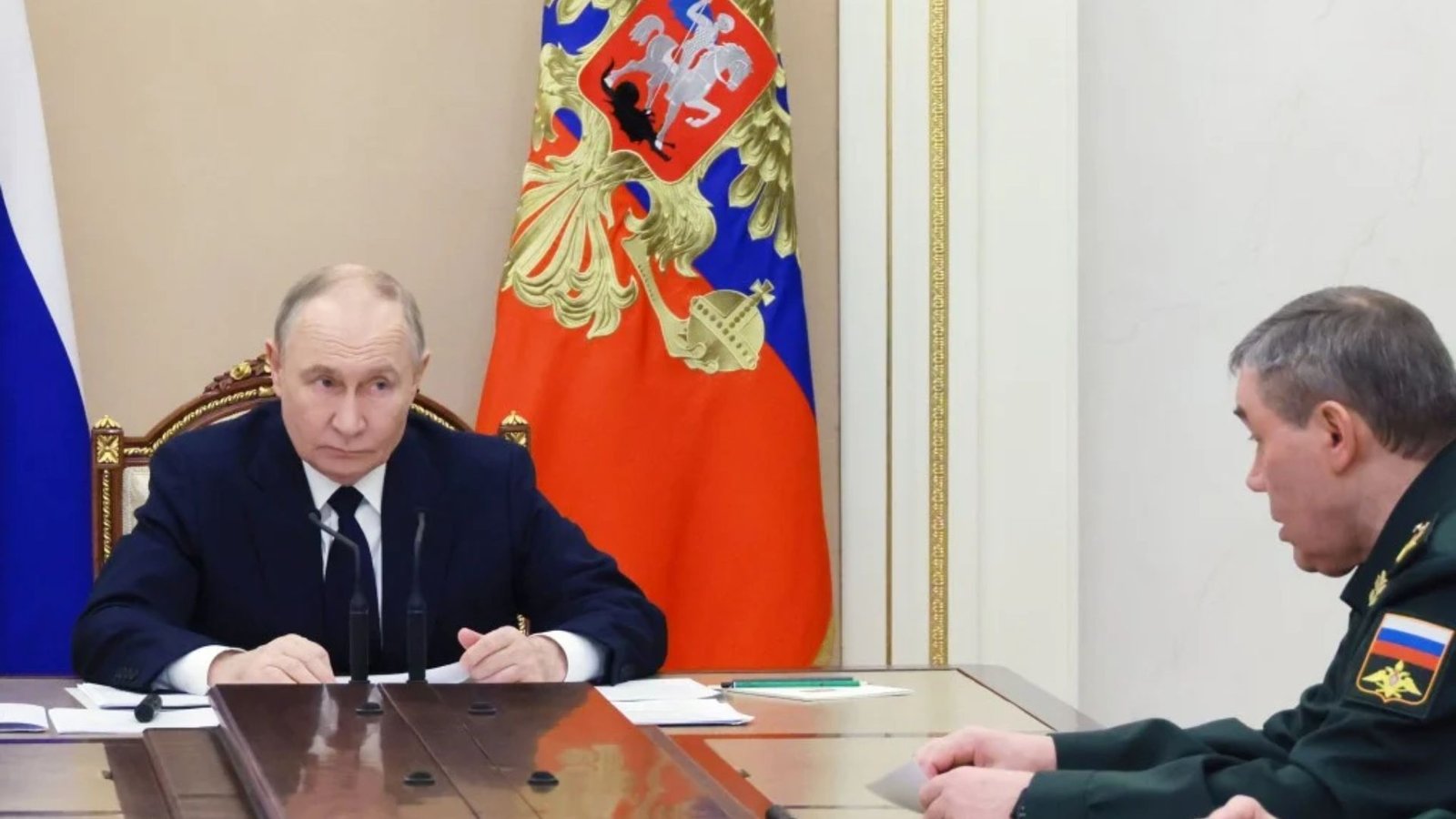
Russia has accused Ukraine of launching a drone attack targeting the Kremlin, specifically President Vladimir Putin’s official residence. According to Moscow, two drones were used in the attempted attack, and Russian defense systems disabled them, causing minimal damage. The Kremlin has characterized the incident as a “terrorist act” and a planned assassination attempt against Putin, vowing retribution.
However, Ukrainian President Volodymyr Zelenskyy has vehemently denied any involvement in the alleged attack. Mykhailo Podolyak, a key advisor to Zelenskyy, stated that Ukraine is focused on defending its own territory and is not engaging in attacks on foreign leaders. He suggested that Russia might be staging such incidents as a pretext for escalating the conflict or mobilizing its population.
The timing of the accusation is significant, occurring just days before Russia’s planned Victory Day parade on May 9th, commemorating the Soviet Union’s triumph over Nazi Germany. Security measures for the parade are already heightened, and this alleged attack could be used to justify even stricter controls and potentially the cancellation of public events. Western officials have expressed skepticism regarding Russia’s claims, noting the lack of independent verification and the potential for a false flag operation.
The incident has prompted increased security around the Kremlin. While details remain scarce and unconfirmed, Russian state media released footage purportedly showing the aftermath of the drone interception. The footage depicts damage to the Kremlin’s roof, but the extent of the damage appears limited. The claims have raised concerns about the potential for escalation in the ongoing war, which has already claimed tens of thousands of lives and caused widespread destruction.
This is not the first time Russia has accused Ukraine of attempting attacks within its borders. Previous allegations have included sabotage operations targeting infrastructure and individuals. However, these claims have consistently been met with skepticism from Ukraine and its allies, who argue that Russia is attempting to deflect blame for its own military failures and justify its actions.
International Response
The United States has stated it is taking the Russian allegations seriously but has not independently confirmed them. A spokesperson for the National Security Council emphasized that the U.S. is focused on providing Ukraine with the support it needs to defend itself. Other Western nations have echoed this sentiment, calling for a thorough investigation and urging restraint from all parties involved.
The incident further complicates the already fraught relationship between Russia and Ukraine. Negotiations for a peaceful resolution to the conflict remain stalled, and the prospect of a prolonged war appears increasingly likely. The accusations and counter-accusations surrounding the alleged drone attack serve to deepen the mistrust and animosity between the two countries.
Analysts suggest that Russia’s public accusation could be aimed at bolstering domestic support for the war and justifying further mobilization efforts. The Kremlin has been careful to frame the conflict as a struggle against external aggression, and this narrative is crucial for maintaining public approval. The alleged attack on Putin’s residence provides a powerful symbol of this perceived threat.
Image Source: Google | Image Credit: Respective Owner