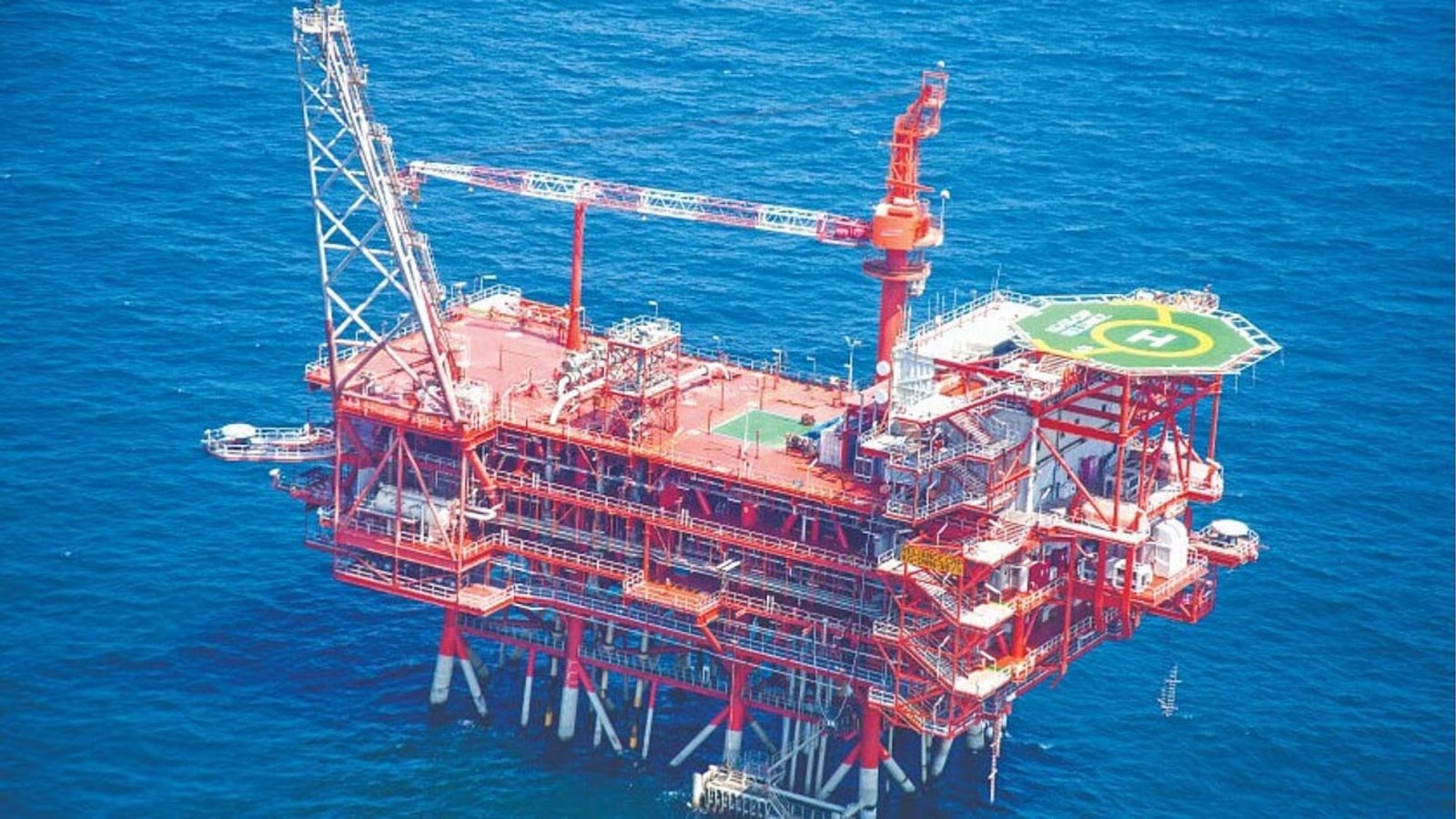
India’s government has reportedly demanded approximately $30 billion from Reliance Industries Limited (RIL) and BP, alleging that the companies unfairly benefited from increased natural gas production from the Krishna Godavari (KG) D6 block off the coast of Andhra Pradesh. The claim centers around accusations that RIL and BP deliberately suppressed production between 2012 and 2016, despite having the capacity to extract more gas, in order to benefit from higher prices at a later date.
Sources familiar with the matter indicate that the government believes the companies violated the production-sharing contract (PSC) for the KG-D6 block. The PSC outlines the terms under which RIL and BP, as the operators, are allowed to explore, develop, and produce oil and gas. The core of the dispute lies in the allegation that the companies didn’t follow the approved field development plan, leading to underproduction and a subsequent loss of revenue for the government.
The Ministry of Petroleum and Natural Gas has been investigating the matter for several years. The alleged underproduction occurred during a period when India was heavily reliant on imported natural gas. The government argues that maximizing domestic production was crucial to meeting the country’s energy needs and reducing its import bill. The claim of $30 billion represents the estimated value of the gas that the government believes should have been produced.
Dispute History and Company Responses
This isn’t the first time the government has raised concerns about production from the KG-D6 block. Previous disputes revolved around declining output and cost recovery issues. RIL and BP have consistently maintained that production was limited by geological complexities and technical challenges, not by deliberate suppression. They have also argued that they adhered to the terms of the PSC and have fulfilled their contractual obligations.
The companies have previously won arbitration cases against the government related to the KG-D6 block, highlighting the complexities of the legal framework governing these projects. However, the current claim is based on a fresh assessment of production data and alleged violations of the PSC. RIL and BP are expected to vigorously contest the latest demand, potentially leading to another round of arbitration.
The financial implications of this claim are significant for both RIL and BP. A $30 billion demand could substantially impact their earnings and potentially lead to legal battles lasting for years. The outcome of this dispute will also have broader implications for the oil and gas industry in India, influencing future investment decisions and the government’s approach to PSCs.
Industry analysts suggest that the government is taking a more assertive stance on ensuring optimal production from its oil and gas assets, particularly in light of rising energy prices and geopolitical uncertainties. This case underscores the importance of clear contractual terms and effective monitoring mechanisms in the energy sector. The government’s move is seen by some as a signal to other operators to maximize production and adhere to the approved development plans.
Image Source: Google | Image Credit: Respective Owner