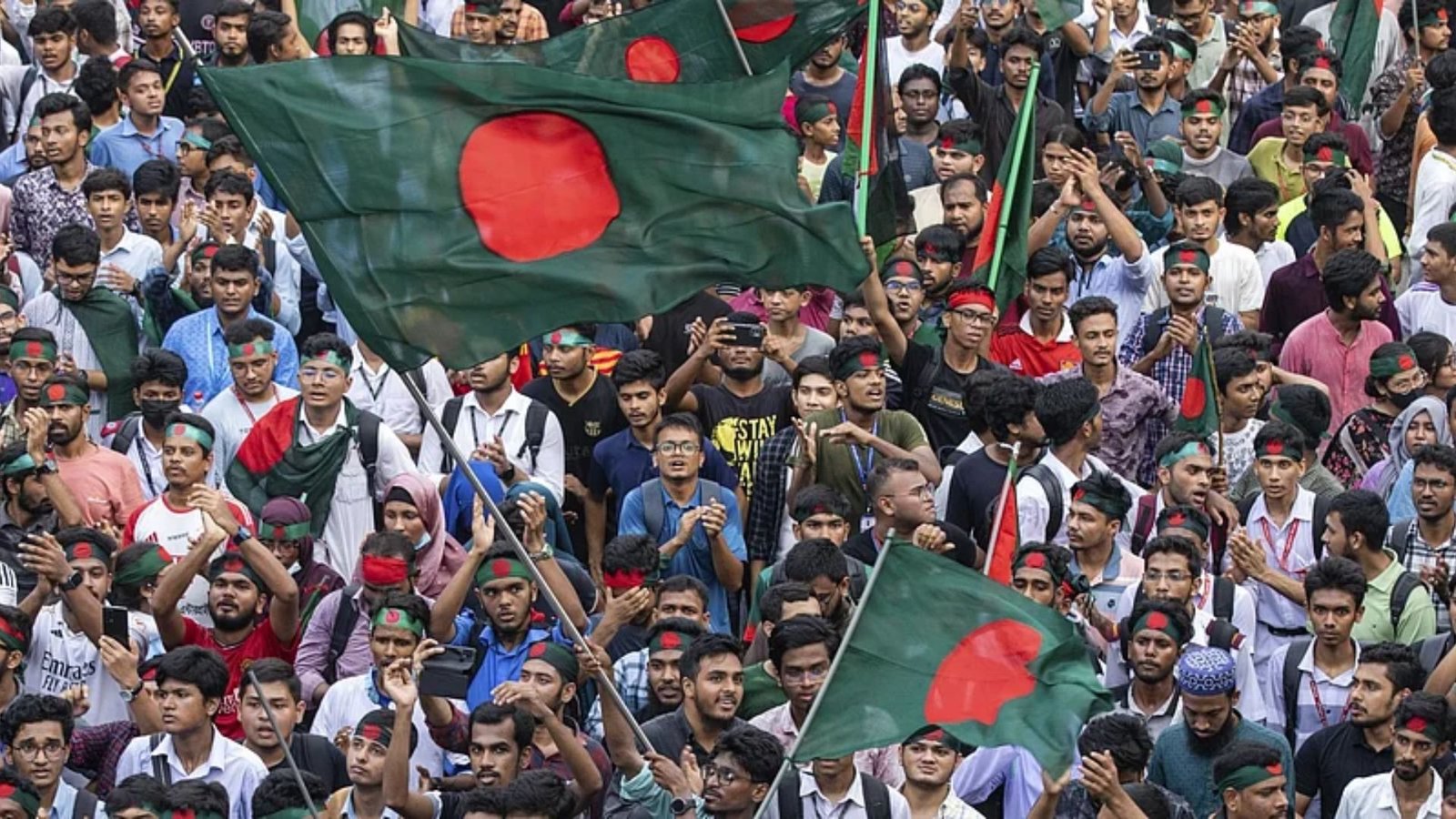
The National Citizen Party (NCP), formed by leaders of the 2024 July student uprising in Bangladesh, is facing internal unrest after deciding to join an electoral alliance with Jamaat-e-Islami ahead of the February 12 national elections.
At least 30 senior members of the party have formally opposed the move, citing Jamaat’s controversial role during Bangladesh’s 1971 Liberation War and what they describe as its recent divisive activities. The dissent has triggered resignations and raised questions about the party’s unity just weeks before the polls.
NCP was founded after the fall of the Sheikh Hasina government and is largely made up of student leaders who emerged during last year’s protests. Jamaat-e-Islami, Bangladesh’s largest Islamist party, had been banned under Hasina’s rule for its collaboration with the Pakistani army during the 1971 war. The ban was lifted last year after Nobel laureate Muhammad Yunus took charge of the interim government.
The opposition within NCP came to light after joint convener Tajnuva Jabeen resigned in protest, followed by senior joint member secretary Tasnim Jara stepping down from her post. Both leaders publicly distanced themselves from the party’s alliance decision.
In a social media post, Tajnuva said she would not contest the upcoming elections, stressing that her exit was driven by disagreement with the Jamaat alliance. Tasnim Jara announced she would contest the Dhaka-9 seat as an independent candidate. She clarified that while ideology played a role, her main concern was the way the alliance was formed without broader internal consultation.
According to sources, several NCP members are now considering joining the Bangladesh Nationalist Party (BNP) or running independently.
Jamaat-e-Islami chief Shafiqur Rahman has confirmed that NCP has joined an eight-party coalition led by Jamaat, alongside the Liberal Democratic Party headed by former BNP minister Oli Ahmed. He said the alliance has nearly finalised candidate nominations for all 300 parliamentary constituencies.
Addressing NCP’s absence from a recent press conference, Rahman said the party had already conveyed its decision to join the alliance and would make a separate public announcement.
Tajnuva Jabeen later explained that NCP had initially invited nationwide applications and shortlisted around 125 candidates, but was now negotiating seat-sharing for roughly 30 constituencies as part of the alliance. “I have left NCP, not politics,” she said, signalling her intention to remain active in public life.
With internal divisions deepening, the situation highlights the growing challenges facing newly formed political groups in Bangladesh as they navigate alliances, ideology, and electoral strategy in a volatile political landscape.