The enduring warmth of a winter jacket isn’t simply a matter of thick fabric; it’s a sophisticated interplay of physics and increasingly innovative materials. For centuries, humans have sought to trap air – a poor conductor of heat – to insulate themselves from the cold. Traditional methods, like layering animal furs or plant fibers, relied on creating this insulating air pocket. However, modern winter wear leverages a deeper understanding of heat transfer and employs advanced synthetic materials to achieve superior warmth and performance.
The fundamental principle at play is minimizing heat loss through conduction, convection, and radiation. Conduction involves heat transfer through direct contact, convection through the movement of fluids (like air), and radiation through electromagnetic waves. Winter jackets combat these processes through multiple layers, each with a specific function. The outer layer typically provides wind and water resistance, preventing convective heat loss and keeping the insulating layers dry. A damp insulator loses much of its effectiveness.
Evolution of Insulation
Early synthetic insulators, like polyester fiberfill, were a significant improvement over natural materials in terms of cost and weight. However, they were often bulky and less efficient at trapping air. The game changed with the introduction of materials like Thinsulate, which utilizes microfibers to create a denser, more effective barrier. More recently, aerogels – incredibly lightweight materials with exceptional insulating properties – have begun to appear in high-end jackets. These materials are composed of over 95% air, making them superb insulators.
Beyond the insulating layer, advancements in fabric technology play a crucial role. Materials like fleece excel at trapping air within their structure, providing a soft and warm inner layer. Furthermore, the development of waterproof-breathable membranes, such as Gore-Tex, allows moisture vapor (sweat) to escape while preventing external water from penetrating, maintaining dryness and optimal insulation. These membranes contain billions of microscopic pores, small enough to block liquid water but large enough to allow water vapor molecules to pass through.
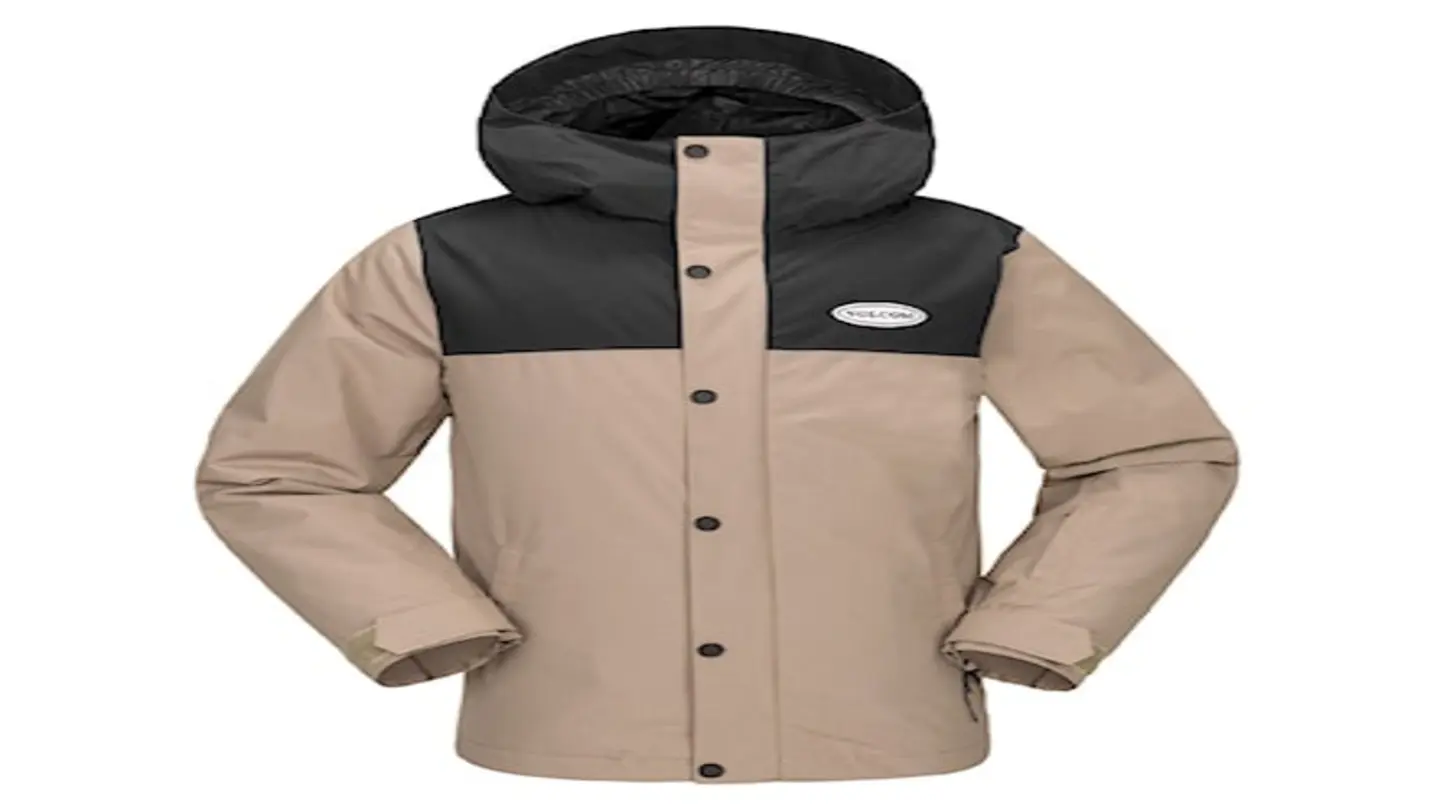
The design of the jacket itself also contributes to its warmth. Features like snug hoods, elastic cuffs, and drawcords at the waist help to seal in body heat and prevent cold air from entering. Quilted construction, where the insulating material is held in place by stitched channels, minimizes shifting and maintains a consistent layer of insulation. Even the color of the jacket can have a minor impact; darker colors absorb more solar radiation, providing a slight warming effect on sunny days.
Looking ahead, research continues into even more efficient and sustainable insulation materials. Bio-based alternatives to synthetic fibers, and further refinements in aerogel technology, promise to deliver even warmer, lighter, and more environmentally friendly winter jackets in the future. The science of staying warm is a constantly evolving field, driven by the desire for comfort, performance, and sustainability.
Ultimately, the effectiveness of a winter jacket isn’t just about the materials used, but how those materials are combined and engineered to work together, harnessing the principles of physics to keep us comfortable in even the harshest conditions.
Image Source: Google | Image Credit: Respective Owner